
Shopping cart

close
Tel : 94870 36000, 94860 36000, 94890 36000

Why Choose Solar Panel Solutions for Your Business?

For many businesses, electricity is a major operating cost—and an expense that can change from month to month. Solar Panels Solutions can help companies produce power on site, reduce reliance on grid electricity, and make energy costs more predictable. The fit depends on real conditions, though. A sunlit roof is not enough by itself.

IEA Executive Director Dr. Fatih Birol spoke to solar’s growing role in the 2020 World Energy Outlook. He said, “I see solar becoming the new king of the world’s electricity markets.” That outlook is relevant to businesses weighing long-term energy investments. Yet a broad market trend cannot promise savings for every building. Roof condition, shading, local tariffs, financing, and the timing of a company’s electricity use all matter.

The sections ahead examine how to assess these factors before choosing a system. A warehouse with daytime refrigeration may use solar power differently from a shop that closes before sunset. Reviewing interval-meter data, available roof space, maintenance plans, and installation proposals can reveal whether a project is practical. Small details matter. So do honest assumptions. Even a well-designed system may not cover every hour of demand, and batteries can add cost. This guide considers both the benefits and the trade-offs, helping business owners ask sharper questions before committing. One estimate is never the whole story.
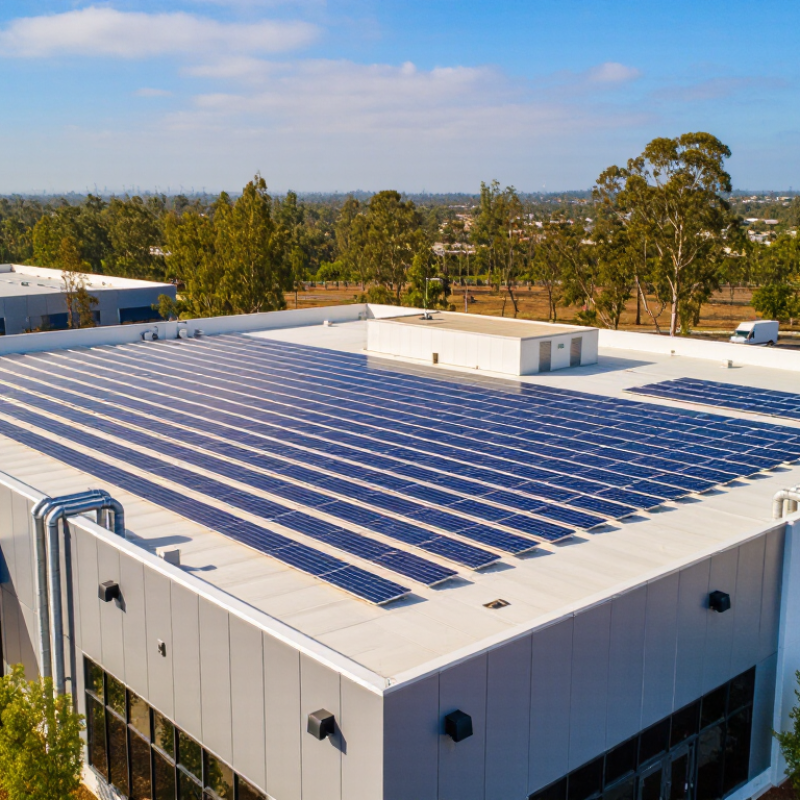
Why Choose Solar Panel Solutions for Your Business?

Understanding Solar Panel Solutions for Businesses

Why Choose Solar Panel Solutions for Your Business?

Business solar is more than panels on a roof. A solution may combine modules, inverters, mounting, monitoring, and battery storage. Load matters. A warehouse running refrigeration through the day has a different profile from an office that empties at 6 p.m. Matching expected generation to real usage can help avoid buying a system that produces power when the building needs less.

IRENA’s Renewable Power Generation Costs in 2023 tracks utility-scale solar PV costs. Its global weighted-average electricity cost fell 90% between 2010 and 2023. That benchmark is not a commercial rooftop quote. Roof repairs, shading, grid connection, and local electricity rates can change project economics. IEA’s Renewables 2024 report projects global renewable capacity will grow nearly 2.7 times by 2030 compared with 2022, but that wider trend does not guarantee savings for every business.

A careful assessment starts with interval electricity data, not a guess based on the monthly bill. Site teams should check roof age, usable area, structural limits, and shadows from nearby equipment. A 10 a.m. production peak may suit daytime operations but leave evening demand uncovered. Storage can shift some energy, though it adds cost and design choices. Plans can still be wrong; actual output varies with weather, maintenance, and site conditions. A clear proposal should show its assumptions, estimated production, and sensitivity to changing electricity prices.

How Commercial Solar Energy Systems Work

A commercial solar system begins with panels on a roof or nearby ground. Sunlight excites cells inside each panel, producing direct-current electricity. An inverter converts that power into alternating current, which a business can use for lights, refrigeration, computers, and equipment. The process is quiet. A meter tracks energy flowing between the building and the grid. When panels produce more than the site needs, surplus electricity may be exported, depending on local utility arrangements. After sunset, the building draws from the grid or a battery, if one is installed.

Sizing matters. A good assessment compares hourly energy use with roof conditions, shading, and seasonal sunlight; annual bills alone can hide costly demand peaks. Batteries can store some daytime generation for later, but they add cost and do not make a site fully independent by default. The International Energy Agency’s Renewables 2023 report recorded nearly 420 gigawatts of new solar PV capacity worldwide in 2023, reflecting rapid adoption, not a guarantee of savings for every business. Site performance still varies. A shaded rooftop, for example, can reduce output more than a simple annual estimate suggests. Even monitoring needs attention; a missed inverter fault can quietly cut production. That is easy to overlook.

Business Benefits of Adopting Solar Power

Solar power can turn an unused roof into a working part of a company’s energy plan. Panels generate electricity during daylight, often matching operating hours for offices, warehouses, and shops. That can reduce the amount of grid power a business buys, though actual savings depend on local rates, system costs, and how closely generation matches demand.

The International Renewable Energy Agency’s Renewable Power Generation Costs in 2023 report found that the global weighted average cost of utility-scale solar electricity was 56% below fossil-fuel alternatives. That figure shows a broad cost trend, not a guaranteed return for any individual business.

There are practical benefits beyond the bill. Generating some power on-site can make energy costs easier to forecast and reduce exposure to changing electricity prices. Solar can also support emissions targets with measurable generation data.

But a large roof is not automatically an asset. Roof condition, shading, maintenance access, and the terms of the electricity tariff all matter. Storage may help when generation and demand occur at different times, but it adds cost. The detail matters. A careful assessment should compare expected output with the site’s hourly electricity use, rather than rely on a generic payback estimate.

Costs, Incentives, and Financial Returns

Solar economics start with the electricity bill, not the panel price. A business with daytime refrigeration or machinery may use more solar power on site than an office that closes at noon. That changes the value of each kilowatt-hour. Ask installers to show equipment, labor, grid connection, maintenance, and financing separately. Then compare those costs with your actual bills and export rates.

IRENA’s Renewable Power Generation Costs in 2023 reported a global weighted-average cost of $0.044 per kilowatt-hour for new utility-scale solar PV, down 12% from 2022. This is a useful industry benchmark, not a rooftop quote: commercial systems face different labor, roof, and grid costs. The gap matters. Model your site’s shading and hourly demand before trusting a payback estimate. One weakness in many proposals is optimistic assumptions about future electricity prices.

In the United States, eligible businesses may access federal clean-energy tax incentives, subject to current rules and project-specific requirements. Other locations may offer grants, tax relief, or utility incentives. Verify eligibility before including any benefit in a return calculation. A simple model should test upfront cost, incentives, loan payments, maintenance, panel output decline, and electricity-price changes. Check the tariff. Returns can look attractive on paper, but financing terms and roof repairs can shift the result by years. That estimate is not a promise.

Why Choose Solar Panel Solutions for Your Business?

Illustrative costs, incentives, and financial returns for a 100 kW commercial solar system

This example assumes an installed cost of $1.60 per watt ($160,000 total) and shows a 30% incentive scenario for eligible projects. At an assumed annual output of 1,300 kWh per kW and an electricity price of $0.12 per kWh, estimated bill savings are $15,600 per year—about a 7.2-year simple payback after the illustrative incentive. Actual costs, incentive eligibility, savings, and payback vary by location and project; financing, maintenance, taxes, and changes in electricity prices are not included.

Factors to Consider When Selecting a Solar Solution

A suitable solar solution begins with the business’s actual electricity use, not the largest system a proposal can fit. Review at least a year of bills and note when equipment runs, such as refrigeration overnight or machinery during afternoon shifts. Measure real demand. Averages can hide costly peaks, and a spreadsheet may not capture seasonal changes.

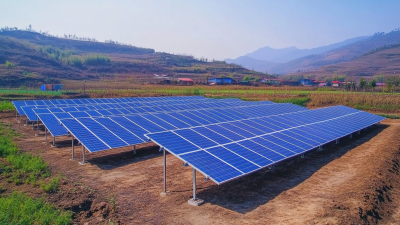
Check the roof’s age, load capacity, orientation, and shading before comparing equipment. A nearby tree can reduce output in ways that are easy to overlook on a sunny site visit. If roof repairs are due soon, coordinate them with installation plans. Ground-mounted systems may be an option where space allows, but they require careful site assessment. Ask for expected production estimates and the assumptions behind them.

Compare the full cost, including installation, electrical upgrades, monitoring, maintenance, and any battery storage. Storage can help during outages or shift energy use, but it may not suit every operating schedule. Review warranty terms and who handles service calls. Look at projected savings under conservative energy-price assumptions, not only the most optimistic case. The neatest proposal is not always the best fit; some details may remain uncertain until a qualified installer inspects the site.

Contact Us
close slider
Scroll To Top