
Shopping cart

close
Tel : 94870 36000, 94860 36000, 94890 36000

Top 10 Types of Solar Panel Systems for Homes?

Solar energy has moved from a niche technology to a mainstream household investment. The IEA PVPS Trends in Photovoltaic Applications 2024 report recorded approximately 447 gigawatts of new photovoltaic capacity worldwide in 2023. Global installed capacity reached about 1.4 terawatts. These figures show remarkable momentum, but they do not make every home solar solution equally suitable.

This guide examines the Top 10 Types of Solar Panel Systems for Homes. It compares grid-tied arrays, off-grid setups, hybrid systems, rooftop installations, ground-mounted designs, and battery-supported configurations. It also considers string inverters, microinverters, DC-coupled systems, and AC-coupled systems. Each option changes installation cost, backup performance, maintenance needs, and energy independence. A Solar Panels System should match the home, not merely follow a popular trend.

The U.S. Solar Market Insight 2024 report from SEIA and Wood Mackenzie reported strong residential adoption, despite market pressure and changing financing conditions. Local shade, roof structure, electricity tariffs, storage requirements, and weather exposure still matter more than impressive advertising claims. The categories overlap. That is important. A system may be rooftop, hybrid, and microinverter-based at the same time.

The best choice is rarely obvious. It requires measured electricity data, professional site assessment, and realistic payback expectations. This overview uses established industry findings, while acknowledging a practical limitation: prices and regulations change quickly. A careful homeowner should verify current installer credentials, equipment warranties, and local interconnection rules before signing any contract.
Top 10 Types of Solar Panel Systems for Homes?

Classify the 10 Home Solar Systems by Panel, Mounting, and Electrical Design

Top 10 Types of Solar Panel Systems for Homes

Home solar is not one standard product. It combines panel technology, mounting structure, and electrical architecture. IRENA’s Renewable Capacity Statistics 2024 reports about 1,419 GW of global solar capacity by the end of 2023. Residential design choices now matter more than simple panel counting.

The ten practical combinations include monocrystalline rooftop systems with string inverters, polycrystalline rooftop systems with string inverters, and thin-film roofs with microinverters. Shingled monocrystalline panels can use DC-coupled batteries. Half-cut panels suit conventional pitched roofs and centralized inverters. Bifacial panels work on fixed-tilt ground mounts. They need reflective ground surfaces. Bifacial panels can also pair with single-axis trackers, although moving parts increase maintenance. Carport arrays commonly use monocrystalline panels and AC-coupled storage. Flexible thin-film panels fit lightweight roofs, but their lower efficiency needs more surface area. Off-grid cabin systems combine monocrystalline panels, charge controllers, and DC batteries. Rooftop hybrid systems add module-level power electronics for partial shading.

Fraunhofer ISE’s Photovoltaics Report 2024 shows leading commercial silicon modules exceeding 22% efficiency. Efficiency helps, but roof geometry still controls real output. NREL’s residential PV benchmark separates modules, inverters, racking, storage, and soft costs. That separation exposes an uncomfortable fact: batteries can improve resilience while increasing upfront complexity. A perfect ranking does not exist. I would question any design that ignores shading, roof age, local wind, and evening electricity demand. Even the best panel can disappoint on a poorly oriented roof.

Compare Monocrystalline, Polycrystalline, Bifacial, and Thin-Film Panels

Top 10 Types of Solar Panel Systems for Homes: Comparing Four Core Technologies

Choosing a home solar system starts with the roof, not the sales brochure. Monocrystalline panels usually deliver the highest power per square metre. Fraunhofer ISE’s Photovoltaics Report 2024 places mainstream crystalline-silicon module efficiency around 20% to 23%. This suits small roofs with strong sunlight. Polycrystalline panels generally cost less, but their efficiency is often lower, around 17% to 20%. They may need more roof space. That trade-off is easy to underestimate.

Bifacial panels collect light from their front and rear surfaces. Their performance depends on roof height, surface reflectivity, panel spacing, and shading. IEA PVPS Task 13 reports practical energy gains commonly ranging from 5% to 15% in suitable installations. A pale roof can help. A dark, crowded roof may not.

Thin-film panels including cadmium telluride and copper indium gallium selenide technologies, often offer better low-light behaviour and lower weight. Fraunhofer ISE reports commercial thin-film efficiencies broadly near 15% to 19%, depending on technology.

Real homes are messier. Vent pipes interrupt layouts. Winter shadows change the calculation. The neat ranking is misleading. The National Renewable Energy Laboratory’s degradation research often uses approximately 0.5% annual module degradation as a planning value, but field results vary.

Ask for measured roof shading, temperature data, fire setbacks, and system-level production estimates. Cheap capacity can become expensive when extra racking, wiring, or roof work appears later. That part deserves more attention.

Examine Grid-Tied, Hybrid, Off-Grid, and Community Solar Configurations

Grid-tied systems connect directly to the utility network. Solar power serves household loads, while excess electricity flows outward through approved metering. When the utility fails, the inverter normally shuts down. That protects line workers, but it surprises some homeowners. These systems often cost less because they need no large battery. They suit homes with reliable grids and daytime electricity use.

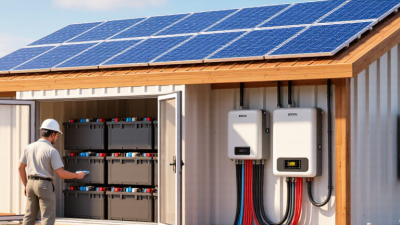
Hybrid systems add batteries and backup controls to a grid connection. They can store midday production for evening cooking, lighting, or refrigeration. A properly designed system separates essential circuits from heavy loads.

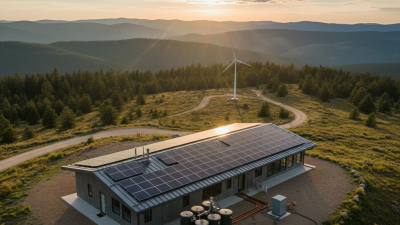
Off-grid systems operate without utility support. They require enough panels, batteries, inverters, and safety equipment for cloudy periods. Cold weather and unexpected demand can expose weak designs. Bigger is not always better. Oversized batteries may remain underused, while undersized storage can fail during several dark days.

Community solar uses a shared solar project instead of rooftop equipment. A household receives bill credits based on its allocated share of production. This option can help renters, shaded homes, or buildings with unsuitable roofs. Contract length, credit rules, cancellation terms, and transfer policies deserve careful review.

The categories can overlap. A home might use community solar while keeping a small battery for critical devices.

Energy audits, local weather data, roof inspections, and utility requirements should guide the choice. A neat spreadsheet can still miss future loads, such as an electric vehicle or heat pump.

Measure Efficiency, Degradation, and Lifespan: 20–23% and 25+ Years

Top 10 Types of Solar Panel Systems for Homes
Measure Efficiency, Degradation, and Lifespan: 20–23% and 25+ Years

Choosing among ten solar panel systems starts with measured performance, not glossy ratings. Common options include monocrystalline, polycrystalline, thin-film, PERC, bifacial, heterojunction, TOPCon, shingled, half-cut, and flexible panels. Efficiency usually ranges from 15% to 23%, while leading residential designs reach 20–23% under standard test conditions. Real roofs perform differently. Heat, dust, wiring losses, and afternoon shade reduce output. I check the roof’s angle, nearby trees, and monthly inverter data before judging a panel.

Degradation matters more than a high first-year number. Many crystalline panels lose about 0.3–0.8% annually. After 25 years, that may leave roughly 80–92% of original output. Results depend on humidity, heat cycles, installation quality, and ventilation. A poorly mounted panel can age faster. That detail is often missed. Thin-film products may handle heat well, yet they can need more roof space. Bifacial designs may gain energy from bright surfaces, but shaded or dark roofs limit the benefit.

A realistic lifespan is 25 years or longer, although the inverter may need attention sooner. Keep production records and inspect connectors after severe weather. I would not promise identical results for every home. Roof orientation, local climate, and maintenance change the answer. One uncomfortable truth remains: a small efficiency advantage may not repay its extra cost. Ask for measured annual yield, degradation assumptions, and a clear installation plan before choosing.

Select by Roof, Climate, Loads, and Storage: 85–95% Battery Efficiency

Top 10 Types of Solar Panel Systems for Homes?

Choosing a home solar system starts with the roof, not the panel label. A south-facing roof usually captures strong annual production, while east-west roofs can spread power across morning and afternoon. NREL’s PVWatts guidance shows that shading, tilt, and azimuth can change estimates significantly. Roof age matters too. Installing panels on weak shingles creates an expensive mistake.

Climate changes the design. Hot panels produce less power, and snow can temporarily block output. The International Energy Agency reports that solar capacity continues expanding worldwide, but local performance still depends on weather and maintenance. Match system size to real loads, such as air-conditioning, heat pumps, or electric vehicles. Oversizing without storage may export valuable midday electricity.

Battery storage deserves careful attention. The U.S. Department of Energy commonly identifies 85–95% round-trip efficiency for lithium-ion systems. A 10-kilowatt-hour battery may deliver only 8.5–9.5 kilowatt-hours after charging and discharging. Usable capacity, reserve settings, temperature, and inverter losses reduce the practical figure. That specification is not a promise.

Tips: Request hourly production estimates, not annual guesses. Check winter output separately. Ask for usable battery capacity and round-trip efficiency under stated test conditions. Leave space around equipment for ventilation. I would also compare a no-battery design; sometimes a smaller system fits the household better. Estimates can be wrong. Your evening load profile matters more than a perfect roof.

Top 10 Types of Solar Panel Systems for Homes

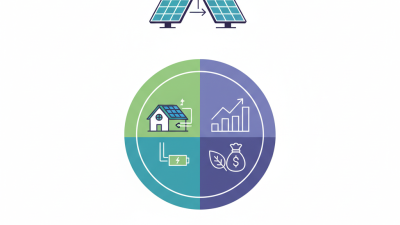
Select by roof, climate, household loads, and storage needs. The chart compares representative battery round-trip efficiency for common residential solar-storage designs.

Battery round-trip efficiency measures the percentage of stored electricity returned for household use after charging and discharging. Typical lithium-based residential systems are commonly around 85–95%; actual results vary with temperature, power level, state of charge, inverter losses, battery age, and system design. Roof orientation, shading, local solar resource, peak loads, and backup requirements should also be evaluated before selecting a system.

Contact Us
close slider
Scroll To Top