
Choosing the right Solar Panel Off Grid System starts with an honest picture of daily energy use. List essential loads, such as lights, a refrigerator, a water pump, and communication devices. Record each appliance’s wattage and operating hours. Peak demand matters too. A refrigerator may use modest energy daily but require a strong starting surge.
A reliable design combines solar panels, batteries, an inverter, charge protection, and suitable wiring. Panel capacity should reflect sunlight conditions, seasonal weather, roof direction, and available space. Battery capacity must cover overnight use and several cloudy periods. Oversizing everything is expensive, while undersizing creates frustration. Small details matter. Battery temperature, cable distance, and inverter efficiency can change real performance.
Professional evaluation adds important confidence. Seek equipment with clear technical specifications, recognized safety certifications, and transparent warranty terms. An experienced installer should check structural support, ventilation, grounding, and local electrical requirements. Ask how the system will be monitored and serviced after installation. Manufacturer data is useful, but it does not replace site measurements. Even careful planners can underestimate winter demand or future appliance use. That possibility deserves attention. The best choice balances energy independence, practical reliability, budget, maintenance, and safety rather than chasing the largest panel count. Before purchasing, compare realistic production estimates with your measured consumption. A system that works quietly every morning is more valuable than one that looks impressive on paper.
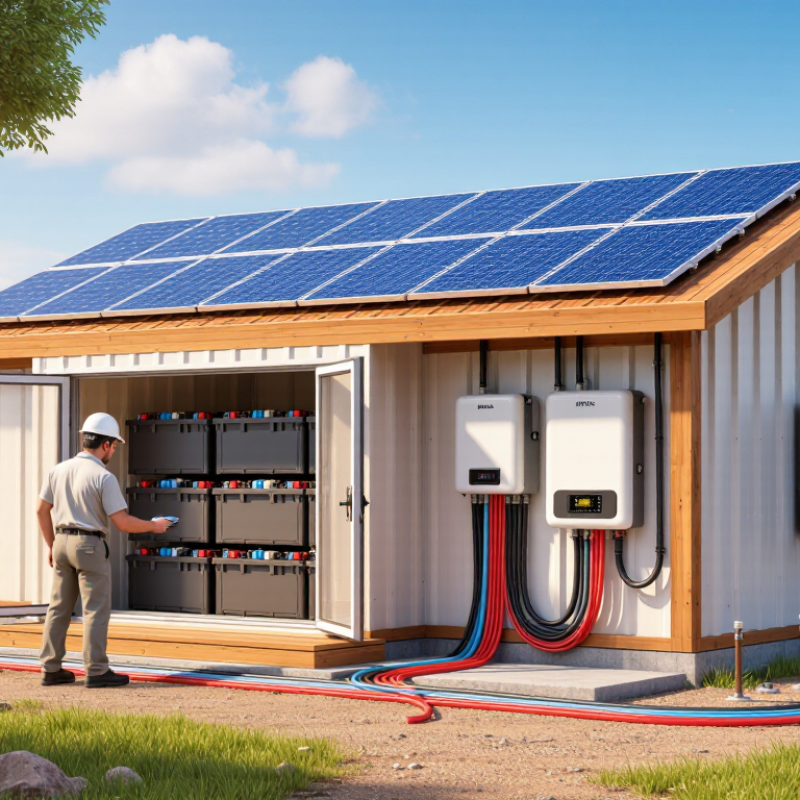
Choosing the best solar panel off-grid system starts with measuring real energy needs, not guessing from panel size. List every appliance, its wattage, and daily operating hours. A 60-watt refrigerator running for eight hours uses about 480 watt-hours. Add phone charging, lighting, water pumping, and seasonal equipment. Small loads often become large together.
The U.S. Energy Information Administration reported average residential electricity use of about 899 kilowatt-hours per month in 2022. An off-grid cabin usually needs far less, but habits matter more than averages. The International Energy Agency reported that roughly 685 million people lacked electricity access in 2022, showing why reliable demand planning remains essential. Record usage for seven days if possible. Include cloudy-day behavior. I once underestimated a water pump; its starting surge overloaded an otherwise adequate inverter. That mistake was avoidable.
Tips: Separate essential and flexible loads. Keep refrigeration, medical equipment, and communications on the essential list. Shift laundry or power-tool use into strong sunlight. Check surge watts, not only running watts. Size batteries for overnight demand and several poor-sun days. Solar resource reports from the World Bank’s Global Solar Atlas can estimate local irradiation, but roof shading and dust may reduce output. Leave a practical margin, perhaps 20–30 percent, while avoiding excessive oversizing. More capacity is not always better. It can increase cost, maintenance, and replacement waste. Recheck your assumptions after one month of actual meter readings.
Choosing an off-grid solar system begins with understanding the site, not buying equipment. I once overestimated a system’s output because I measured sunlight only on a clear afternoon. Seasonal changes later exposed the mistake. Record sun exposure across several days, including early morning and late afternoon. Online solar maps can help, but on-site observations remain essential.
Look for a location with minimal shading from trees, chimneys, and nearby buildings. Even narrow shadows can reduce an entire panel string’s performance. Note the roof direction, tilt, surface condition, and available area. In the northern hemisphere, a south-facing surface often receives strong annual sunlight, but local conditions may favor another orientation. A ground-mounted array can improve access, yet it needs firm soil, drainage, and protection from animals or accidental damage.
Measure carefully.
Use a compass, inclinometer, or solar path app, then verify the results at different times of day. Estimate energy needs from real appliance use, not ideal assumptions. Refrigerators, pumps, and tools may draw more power during startup. Include winter production, battery losses, and several cloudy days in the calculation. Check local electrical and structural requirements before installation. I would also leave room for maintenance, because a perfect plan becomes inconvenient when panels are impossible to clean or inspect.
| Assessment Factor | Key Metric | Preferred Range or Site Condition | Practical Assessment Method | Effect on an Off-Grid System |
|---|---|---|---|---|
| Solar Resource | Peak sun hours per day (kWh/m²/day) |
Preferred: 4.5–6.0+ Usable: 3.0–4.5 Below 3.0 generally requires more panels and storage. |
Check a long-term solar-irradiance database for the exact location and compare monthly values, especially the lowest-sun month. | Determines expected energy production and the required PV array size. |
| Seasonal Solar Variation | Lowest-month solar resource | Design for the lowest practical monthly resource rather than the annual average. A system should maintain essential loads during the winter or rainy season. | Review monthly irradiance data and identify the critical design month. | Prevents winter energy shortages and reduces excessive dependence on a backup generator. |
| Daily Shading | Unshaded solar-access window |
Preferred: 9:00–15:00 solar time with minimal shade Avoid recurring shade from trees, buildings, poles, chimneys, or terrain. |
Inspect the site throughout the day and across seasons; use a sun-path or shade-analysis tool where available. | Even partial shade can reduce output and may create mismatch losses between modules. |
| Array Orientation | Azimuth direction | In the Northern Hemisphere, face the array generally toward true south. In the Southern Hemisphere, face it generally toward true north. Avoid major obstructions in the preferred direction. | Use a compass corrected for magnetic declination or a reliable site-survey application. | Improves annual energy yield and helps align production with daily demand. |
| Array Tilt | Module tilt angle | A fixed array is often installed near the site latitude as a starting point. A lower tilt may favor summer output; a steeper tilt may improve winter collection and snow shedding. | Compare the local latitude, seasonal energy needs, roof pitch, snow conditions, and mounting constraints. | Changes seasonal production, self-cleaning behavior, and structural requirements. |
| Available Installation Area | Usable, obstruction-free area | Provide enough space for the planned array plus access and maintenance clearance. Keep modules away from permanent shade and roof edges. | Measure the usable roof or ground area after excluding skylights, vents, access paths, setbacks, and shaded sections. | Limits the maximum PV capacity and may determine whether a ground mount is needed. |
| Roof or Ground Condition | Structural capacity and stability | The mounting surface should be sound, weather-resistant, and capable of supporting the array, racking, and local wind or snow loads. | Inspect the roof age and condition; confirm local structural requirements with a qualified professional. For ground mounts, assess soil stability and drainage. | Protects equipment, reduces maintenance risk, and affects installation cost. |
| Wind and Snow Exposure | Local environmental loads | Design the racking and foundations for the site-specific wind speed, snow load, ice conditions, and applicable building codes. | Use local code data and a site-specific structural assessment rather than relying on a generic mounting design. | Influences racking type, attachment spacing, tilt, foundation depth, and total system cost. |
| Module Temperature | Operating temperature and ventilation | Allow airflow beneath modules. Avoid installations that trap heat against a surface. Use the module temperature coefficient when estimating hot-weather output. | Check the mounting gap, local summer temperatures, and the electrical specifications of the selected modules. | Higher module temperatures generally reduce instantaneous voltage and power output. |
| Distance to Batteries and Loads | Cable length and voltage drop | Keep high-current DC cable runs as short as practical and size conductors according to current, length, installation method, and allowable voltage drop. | Create a wiring layout before installation and calculate voltage drop for the longest circuit. | Reduces energy loss, improves inverter performance, and helps control conductor costs. |
| Battery Location | Temperature, ventilation, and accessibility | Use a dry, shaded, secure, and accessible location within the battery manufacturer's permitted temperature range. Provide required ventilation and protection. | Measure seasonal temperatures, check moisture exposure, and follow the applicable battery installation and electrical-safety requirements. | A suitable environment improves battery life, safety, and usable storage capacity. |
| Ground Drainage and Flood Risk | Water exposure and runoff | Avoid low-lying areas, active drainage channels, and locations with repeated standing water. Place electrical equipment above expected flood levels where required. | Inspect the site after rain, review local flood information, and evaluate surface drainage and erosion risk. | Reduces corrosion, foundation movement, electrical hazards, and weather-related downtime. |
| Maintenance Access | Safe access for inspection and cleaning | Provide practical access to modules, wiring, disconnects, charge controllers, inverters, and batteries without damaging the array or surrounding property. | Map service routes, equipment clearances, isolation points, and emergency access before finalizing the layout. | Makes inspections safer and lowers the time and cost of maintenance or repairs. |
Planning note: The ranges above are general engineering guidelines. Final system sizing should use location-specific solar data, the lowest-season energy demand, local structural and electrical codes, and a qualified site assessment.
Sizing begins with an honest load audit. List each appliance, wattage, operating hours, and starting surge. A small refrigerator may consume 800 watt-hours daily. Its compressor may briefly demand much more power. Include lighting, pumps, communications, and seasonal equipment. Measure real use with a plug meter when possible. Guesswork is expensive.
Multiply daily energy use by about 1.3 to cover inverter losses, battery charging, dust, and cloudy weather. For 2,400 watt-hours daily and four peak-sun hours, the calculation suggests roughly 780 watts of panels. A 900–1,000-watt array may provide a more practical margin. Panel direction, shading, temperature, and winter sunlight can change the result. Clouds matter. My first spreadsheet once ignored winter shading, and the system struggled during short days.
Size the battery for autonomy, not only nighttime use. Two days of storage for a 2,400-watt-hour load requires about 6,000 watt-hours when using an 80% allowable discharge. Check the battery’s temperature limits, aging allowance, and manufacturer specifications. The inverter must handle continuous demand and startup surges. If running loads total 1,500 watts, a unit rated above that level with suitable surge capacity is safer. Keep sensitive equipment within its output limits. Use correctly rated cables, fuses, grounding, and local electrical requirements, with qualified installation where required.
An off-grid system should match your daily loads, not just your roof space.
A direct-use system can power daytime pumps, lights, or fans without batteries. It costs less, but night-time use becomes impossible. A battery-based system stores daytime energy for evenings and cloudy periods. It needs more equipment and careful battery sizing. A generator-supported hybrid system adds backup power, which improves resilience but increases fuel and maintenance costs.
The main components are solar panels, a charge controller, batteries, an inverter, protection devices, wiring, and monitoring equipment.
In field assessments, I have found that batteries often determine the real budget. Lithium batteries usually offer longer service and deeper cycling, while other chemistries may cost less initially. Prices vary with local labor, transport, climate, and storage capacity. Do not compare panel prices alone. That approach can be misleading.
Maintenance is usually simple, but it is not zero.
Inspect cables and terminals for heat, corrosion, or loose connections. Keep panels clear of dust, leaves, and bird deposits. Review battery temperature and system alerts each month. In dusty areas, cleaning may be needed every few weeks. A larger array is not automatically better. I once saw unused capacity wasted because the inverter and battery bank were undersized. Load measurements, seasonal sunlight data, and professional electrical checks support a safer choice. Some assumptions still need testing after installation.
Choosing an off-grid solar system starts with safety, not panel wattage. Check certification against recognized standards, such as IEC 61215 for module performance and IEC 61730 for module safety. In North American projects, equipment may also require applicable electrical and fire-code compliance. IRENA reported 1,419 GW of global solar capacity by the end of 2023. That scale brings experience, but it does not remove installation risks. Poor cable routing, undersized conductors, and weak battery ventilation can create heat, arcing, or premature failure.
Design for the next five years, not only today. Select an inverter with spare capacity, modular batteries, and a charge controller that supports future arrays. The International Energy Agency reported that battery storage deployment increased sharply in 2023, showing how quickly storage technology is evolving. Still, compatibility matters more than impressive specifications. Ask for documented communication protocols, protection settings, temperature limits, and replacement procedures. I would not assume every “expandable” system expands easily. Some systems need a second inverter, new protection devices, or larger cables.
Tips: Request certificates, wiring diagrams, load calculations, and commissioning records. Choose an installer trained for off-grid systems, especially where winter temperatures, dust, or long cable runs are expected. Ask who will test grounding, battery protection, and emergency shutdowns. A professional should explain the work in plain language. If the proposal lacks maintenance access, question it. Small oversights often become expensive lessons.