How to Choose a Solar Panel System for Global Sourcing?
Global solar procurement is expanding quickly, but choosing the right Solar Panels System requires more than comparing module prices. IRENA’s Renewable Capacity Statistics 2024 reported that solar capacity increased by about 346 GW in 2023, reaching nearly 1,419 GW worldwide. This scale creates opportunities for buyers, yet it also increases supply-chain complexity. Product quality, certification, shipping conditions, warranty support, and local grid requirements can vary sharply between markets.
“Solar PV is the new king of electricity,” said Fatih Birol, Executive Director of the International Energy Agency. His observation reflects solar’s falling costs and growing role in global power generation. However, a buyer should not treat every low-cost quotation as a reliable solution. A cheaper panel may involve weaker degradation guarantees, unclear factory traceability, or limited after-sales support. The invoice is only one part of the decision.
This guide examines how international buyers can evaluate a Solar Panels System from technical, commercial, and practical perspectives. It considers IEC 61215 and IEC 61730 certification, inverter compatibility, temperature performance, energy yield, and supplier inspection procedures. It also reviews warranty wording, delivery terms, packaging strength, and documentation for customs clearance. A supplier audit can reveal details that a polished catalogue hides. Sometimes, the most attractive offer is not the safest one. I may even overemphasize specifications; real project performance depends on installation quality and local conditions. Buyers should compare evidence, not promises, before committing to long-term sourcing.
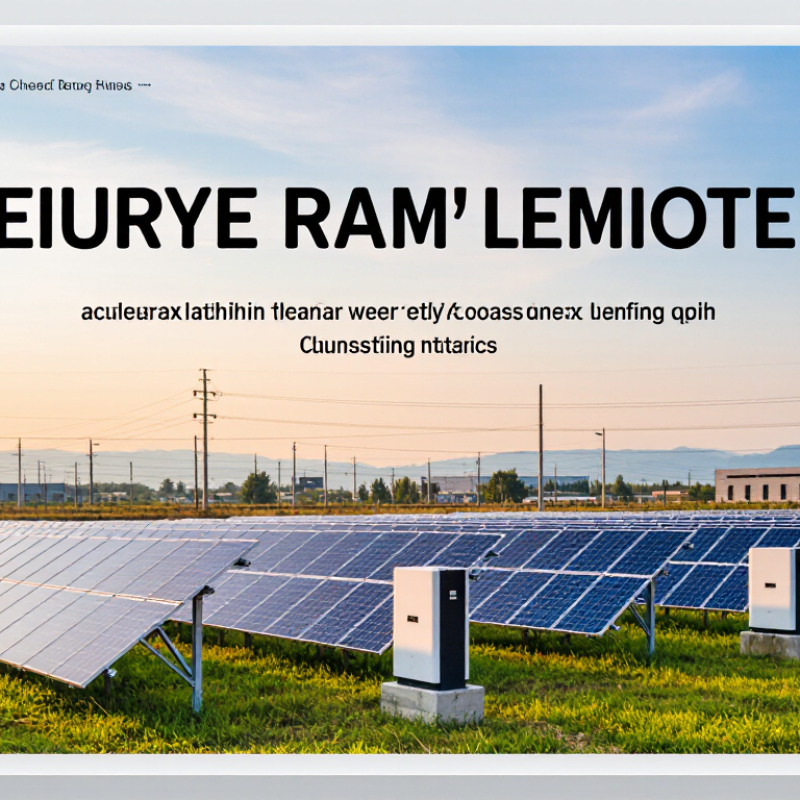
Quantify Demand and Solar Yield with a 10–15% Design Margin
A practical solar sourcing decision starts with measured demand, not a catalog size. Record daily electricity use for at least twelve months. Include seasonal peaks, motor starting loads, refrigeration, lighting, and future equipment. Keep it measured.
Solar yield needs local evidence. Collect sunlight data for the installation site, including cloudy-season performance. Roof direction, shading, temperature, dust, and panel angle can change output significantly. A clean roof map is useful. Do not rely on annual averages alone. They can hide difficult months.
After estimating demand and yield, add a 10–15% design margin. This margin helps absorb wiring losses, inverter inefficiency, gradual panel degradation, and small demand increases. For example, a site needing 100 kilowatt-hours daily should be designed for roughly 110 to 115 kilowatt-hours of expected capacity. The calculation must still reflect realistic sunlight conditions. Oversizing everything is not automatically safer. It can raise shipping costs, structural loads, and unused capacity. I have seen projects fail because the margin covered optimistic assumptions instead of real losses.
For global sourcing, request detailed technical documents from each supplier. Check rated output, operating temperature, warranty terms, testing records, and compatibility with local electrical requirements. Confirm packaging dimensions before shipment. A system that performs well in one climate may need different mounting, ventilation, or cleaning plans elsewhere. Leave room for correction. Forecasts are useful, but field conditions remain imperfect.
Compare 20–23% Module Efficiency and ≤0.5% Annual Degradation
When sourcing solar panels globally, compare efficiency and degradation under the same test conditions. A 20–23% module converts more sunlight into electricity, which matters when roof space, shipping volume, or installation labor is limited. However, efficiency alone can mislead. Check the temperature coefficient, low-light performance, power tolerance, and certification records.
The International Technology Roadmap for Photovoltaic, 2024 edition, tracks mainstream module efficiency in the low-20% range. This makes 20–23% a practical screening band rather than an unrealistic specification. Annual degradation deserves equal attention. A widely cited National Renewable Energy Laboratory study, covering roughly 2,000 photovoltaic systems, reported a median degradation rate near 0.5% per year. A ≤0.5% warranty target is therefore credible, but it should not replace independent testing.
Ask suppliers for measured degradation data, not only brochure guarantees. Compare the first-year loss separately from later annual losses. A panel losing 2% initially and 0.4% yearly afterward can perform differently from one with a smoother decline. That detail changes long-term yield.
Inspect sample reports from accredited laboratories. Look for damp-heat, thermal-cycling, mechanical-load, and potential-induced-degradation results. Field conditions are harsher than a clean laboratory roof. Salt air, dust, heat, and poor ventilation can reduce output. ITRPV data helps benchmark technology, yet it cannot predict every factory or climate. My practical mistake would be treating ≤0.5% as a universal outcome; procurement teams should verify serial-level quality, warranty terms, and regional compliance before placing volume orders.
Verify IEC 61215/61730 Compliance and 25–30-Year Warranty Terms
When sourcing solar panels globally, treat IEC 61215 and IEC 61730 documents as verification tools, not decoration. IEC 61215 evaluates design durability under environmental stress, including heat, humidity, and mechanical loading. IEC 61730 addresses electrical and construction safety. Ask for current certificates from an independent, accredited laboratory. Check the exact panel model, factory location, certification scope, and issue date. A document covering a similar model is not enough. In practice, this is where many purchasing errors begin.
Read the 25–30-year warranty line by line. Separate the product warranty from the power-performance warranty. Confirm the starting date, allowed degradation, annual output curve, remedy, labor coverage, and claim procedure. Some terms exclude salt mist, unusual installation, or unauthorized modifications. Those exclusions matter near coastlines and on complex rooftops. Request signed terms before payment, including the responsible legal entity and contact address. Verbal promises fade quickly. Keep records.
Tips: Match IEC evidence with shipment serial records and factory audit results. Request sample test reports, not only certificates. Compare warranty wording across suppliers; small phrases can change the remedy. Inspect packaging, connectors, and labels before installation. Photograph damage immediately. A qualified engineer should review local grid and fire requirements. This step costs less than replacing unsuitable equipment. Still, no document predicts every failure. Field conditions can surprise even careful buyers.
Solar Panel Sourcing: IEC Compliance and Warranty Benchmarks
Typical crystalline-silicon PV module specifications commonly include IEC 61215 design qualification, IEC 61730 safety qualification, a 10–15 year product warranty, and a 25–30 year performance warranty. Verify certificates, covered components, degradation limits, exclusions, and warranty-provider terms before procurement.
IEC 61215 addresses design qualification and type approval; IEC 61730 addresses photovoltaic module safety qualification. Warranty ranges are common global sourcing benchmarks, not a substitute for contract verification.
Select Inverters Rated at ≥97% Efficiency for Local Grid Standards
Global solar sourcing demands more than a low equipment price.
Inverter efficiency should be a central screening point. Fraunhofer’s Photovoltaics Report 2024 notes that modern inverters commonly achieve peak efficiencies above 98%, with European weighted values near 97%. Therefore, specify an inverter rated at 97% efficiency or higher. Small losses become significant across large installations.
Check local grid requirements before approving the datasheet.
Voltage range, frequency response, reactive power control, and anti-islanding protection vary by market. Certification may reference IEEE 1547, EN 50549, or equivalent national rules. The inverter must also support the site’s grid voltage and phase configuration. A high rating is useless if the unit cannot connect legally or reliably.
Field performance needs careful review.
Laboratory efficiency may not reflect cloudy mornings, high temperatures, or partial loading. NREL research shows that temperature and operating conditions influence photovoltaic system output, while IEA PVPS reports continuing global deployment at utility scale. Ask suppliers for weighted efficiency curves, thermal derating data, harmonic limits, and independent test evidence. Inspect the warranty terms, service response, and firmware update process. A spreadsheet can miss these details.
In project reviews, I have seen a 98% unit underperform because ventilation was poor. The specification was excellent. The installation was not.