
In 2026, global buyers face a crowded solar market, but the “best” system depends on where and how it will operate. Power Solutions Solar can include panels, inverters, batteries, mounting hardware, and monitoring tools. A rooftop in a humid coastal city has different needs from a remote workshop with frequent outages. Details matter. Buyers should compare independently verified performance data, warranty terms, supplier service, and compatibility with local grid conditions—not just headline prices.
The International Energy Agency’s Executive Director, Dr. Fatih Birol, described solar as “the new king of electricity markets” and “the cheapest source of electricity in history.” That context is useful, but it does not make every project economical. This guide explores major solution types, key purchasing criteria, and practical trade-offs for homes, businesses, and off-grid sites. It also considers efficiency, storage, installation, and long-term support, helping readers ask better questions before requesting a quote. A polished comparison can still miss the mark if it ignores site conditions or future maintenance. Not always. Prices, product availability, and performance assumptions can change, so buyers should verify current specifications with qualified providers. A little skepticism helps.
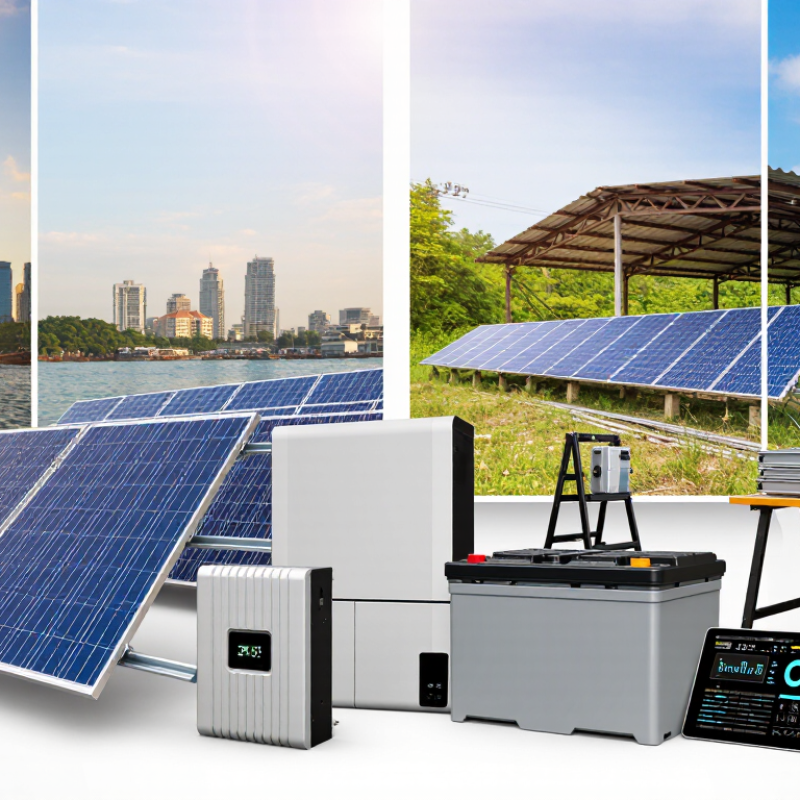
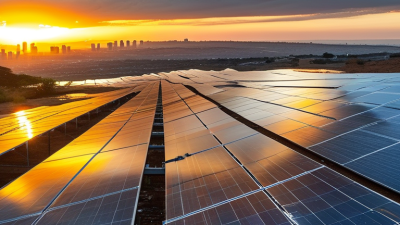
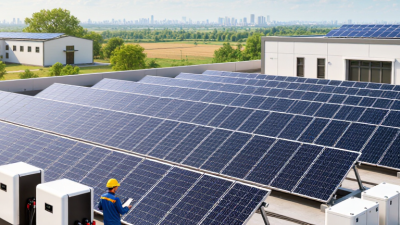
Solar power solutions in 2026 range from rooftop arrays to utility-scale plants and standalone systems. The right fit depends on daily energy use, local sunlight, available space, and grid reliability. A warehouse with a broad roof may suit a grid-connected system, while a remote clinic may need panels, batteries, and backup generation. Small details matter. Dust, salt air, and high temperatures can affect equipment choices and maintenance needs.
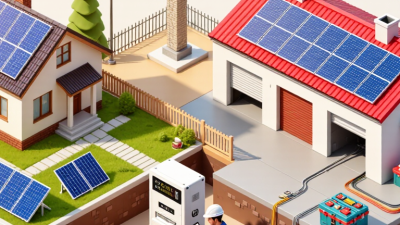
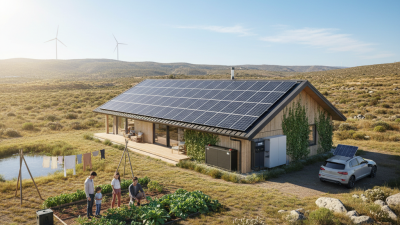
Hybrid systems combine solar panels, battery storage, and grid power. They can help households or businesses manage outages and shift some electricity use to daylight hours. Off-grid systems offer more independence, but require careful load planning. A battery that is too small may leave essential equipment without power overnight. Not always obvious. Buyers should compare usable battery capacity, inverter output, installation support, and warranty terms—not just panel ratings. Local technicians and replacement parts also matter, especially in remote areas.
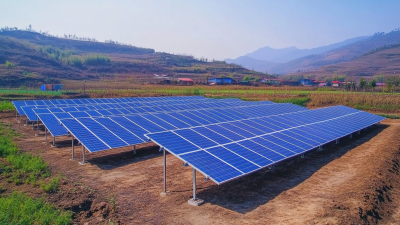
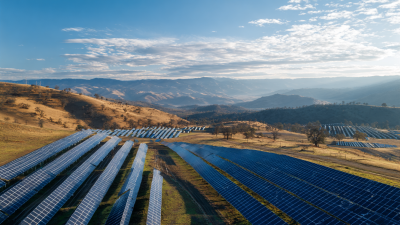
For larger projects, ground-mounted solar farms and microgrids can serve factories, communities, or agricultural sites. Buyers should request site-specific energy estimates and check how seasonal weather affects expected production. Ask for clear assumptions about shading, system losses, and battery lifespan. Even a polished proposal can miss a practical issue, such as limited roof access for repairs. Independent technical review can help uncover those gaps before equipment is ordered.
A reliable solar design begins with the buyer’s actual energy profile, not a headline panel rating. Compare monthly bills with hourly demand, peak loads, and planned equipment changes. A cold-storage site needs dependable evening power; a daytime workshop may use most generation directly. The International Energy Agency’s Renewables 2024 report recorded about 420 gigawatts of new solar PV capacity in 2023. That growth is substantial, but it does not tell buyers how much power one site will produce.
Site conditions shape the system’s real output. The World Bank and ESMAP’s Global Solar Atlas provides long-term solar resource estimates for comparing locations. Use these alongside a physical survey: roof direction, nearby trees, dust, wind exposure, and seasonal shade all matter. A roof can look clear at noon and lose sunlight behind a neighboring wall by late afternoon. Small details count. One estimate will never capture every cloudy week, so test yield assumptions against conservative weather scenarios.
Regional requirements also affect equipment selection and project costs. Check local grid connection rules, voltage and frequency settings, export limits, metering arrangements, and applicable product certification before procurement. Requirements can differ between neighboring markets. Storage may help where outages are frequent or export compensation is limited, but it adds cost and maintenance. The IEA and IRENA report trends; they cannot replace a site-specific engineering review. That distinction is easy to overlook. Buyers should document load assumptions and request clear performance estimates, including losses from heat, wiring, and inverter conversion.
Indicative annual solar PV yield by region (kWh per installed kWp)
Use these regional ranges for initial planning, not as guaranteed output. Actual yield depends on the specific location, roof angle and orientation, shading, weather, system design, and local grid requirements.
Choosing solar equipment is less about chasing the highest panel rating and more about matching daily loads, roof space, and local weather. A 450-watt panel may look attractive, but chimney shade can reduce its real contribution. Check temperature ratings, warranty terms, and independently verified output data, not just peak laboratory figures. Small details matter.
The inverter should suit both the array and the way electricity is used. String inverters can be cost-effective on clear, uniform roofs; module-level electronics may help where shade varies. Battery capacity needs careful sizing. A home using 8 kWh after sunset may not need a 15 kWh battery. Backup needs change that calculation, especially when several circuits must stay powered.
Grid-tied systems often cost less where outages are rare, while hybrid systems can add storage and backup capability. Standalone systems need enough generation and stored energy for cloudy periods, so their size can surprise buyers. Ask for a load-profile estimate with clear assumptions about winter output, battery reserve, and future expansion. Savings are estimates, not promises. I would review a full year of bills before finalizing the design; that step is easy to skip.
For global buyers, solar project costs extend far beyond panel prices. Freight, import duties, mounting hardware, inverters, grid upgrades, and installation can change the final budget substantially. Ask suppliers for an itemized quote that separates equipment, shipping, commissioning, and ongoing service. Small details matter. A cable specification or replacement part can affect downtime years later.
Financing terms deserve the same scrutiny as system performance. Compare cash purchases, leases, loans, and power-purchase arrangements using total payments, escalation clauses, maintenance duties, and early-exit costs. Model expected savings against conservative production estimates, not an ideal sunny-year forecast. A low monthly payment may conceal higher lifetime costs. Request assumptions for local sunlight, electricity prices, and system degradation, then test how the numbers change if rates or output disappoint. Some estimates remain uncertain; that deserves plain disclosure, not polished certainty.
Supplier credentials should be verified, not simply accepted from a brochure. Review relevant installation records, independently checkable certifications, warranty terms, and the process for handling faults. Ask for references from projects with similar climate, grid conditions, and scale. Confirm who provides service locally and how quickly replacement components can arrive. One blind spot is treating a long warranty as proof of dependable support. It is not. Contract language, documented service capacity, and realistic performance guarantees offer stronger evidence, though no checklist removes every risk.
A reliable solar project begins with the site, not a catalog. Measure roof or land area, shade, wind exposure, and access for maintenance. A nearby tree can shift shade across a panel row by afternoon. Small details matter. Ask an independent engineer to check structural capacity and estimate seasonal output using local weather data. Early estimates are not guarantees.
Grid integration needs careful coordination. Confirm the connection point, voltage requirements, protection settings, and export limits with the local utility before equipment is ordered. In weak grids, voltage changes may reduce output or require controls. Battery storage can help with some operating needs, but it adds cost and does not suit every load profile. Model the expected demand by hour. Check assumptions again.
Maintenance planning should name inspection intervals, cleaning methods, spare-part access, and safe working procedures. Dust, salt, and pollen affect sites differently, so a fixed cleaning schedule may waste water or leave panels underperforming. Monitoring should track energy yield, inverter status, and string-level faults where available. Compare actual production with weather-adjusted expectations, then investigate persistent gaps. Data can mislead, too, especially when sensors are poorly calibrated. Keep records of repairs and performance changes; they make future decisions less dependent on guesswork.