
Solar power is moving from a niche investment to a core part of global energy planning. The International Energy Agency reported that solar photovoltaic additions reached approximately 420 gigawatts worldwide in 2023. IRENA also recorded solar as the largest contributor to new renewable capacity that year. These figures show strong market momentum, but they do not make every supplier reliable.
For global buyers, choosing Solar Power Solutions requires more than comparing panel prices. A project may involve modules, inverters, batteries, mounting systems, monitoring software, shipping, installation, and after-sales service. Each component must match local sunlight, grid conditions, temperature ranges, and safety requirements. A warehouse roof in Rotterdam faces different challenges from a remote clinic in Kenya. Small details matter.
This guide explains ten practical buying tips for evaluating suppliers and project proposals. It considers efficiency ratings, product certifications, degradation rates, warranty terms, financing, logistics, maintenance, and total lifetime cost. The IEA’s Renewables 2024 report emphasizes the rapid expansion of solar deployment, while BloombergNEF’s market research highlights continuing pressure on module prices and manufacturer margins. Lower prices can help buyers. They can also hide weaker support or uncertain quality.
A low quote is not automatically a smart purchase. We should admit that forecasts can change, especially when exchange rates, freight costs, and grid policies shift. Experienced buyers therefore verify technical documents, inspect supplier records, and request references from comparable projects. The aim is practical: secure dependable energy, avoid preventable losses, and select a solution that performs beyond the sales presentation.
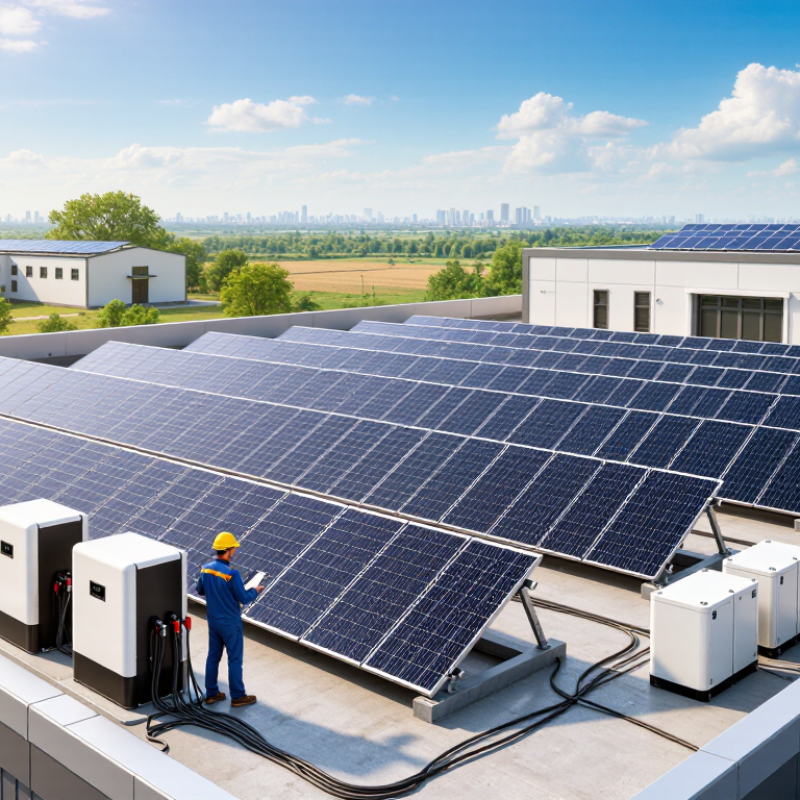
Before comparing solar equipment, define what your site must accomplish. List daily loads, operating hours, and seasonal changes. A small workshop may consume little energy but need high starting power for motors. A home may show moderate usage yet demand electricity after sunset.
Collect at least twelve months of utility bills, if available. Mark your daytime and nighttime consumption separately. Then estimate future needs, such as adding pumps, cooling systems, or electric vehicles. Do not size the system from one unusually high bill. That can create unnecessary cost.
Site conditions matter just as much. Record roof direction, usable area, shading, and structural limitations. A nearby tree can reduce morning production more than expected. Check local connection rules, safety requirements, and approval timelines with qualified professionals. For remote projects, calculate battery autonomy and identify critical loads, such as refrigeration or medical equipment. Keep nonessential loads outside the backup circuit.
Use measurable goals: reduce grid purchases by 40 percent, maintain eight hours of backup, or supply a defined annual energy volume. Ask installers to explain their assumptions, testing methods, warranties, and maintenance process. Their answers should match your load data, not just a standard package.
A spreadsheet helps. It can still mislead.
Weather data, battery aging, dust, and inverter losses affect real output. Leave a reasonable design margin, but question every extra component. The cheapest proposal may ignore difficult installation work. The largest system may never earn its cost. An honest design accepts uncertainty and records what still needs verification.
Choosing solar equipment begins with the site, not the sales brochure. Monocrystalline modules usually suit limited roofs because they deliver strong output per square metre. Thin-film modules can perform better on some large, hot surfaces, but they need more space. Bifacial panels may help above bright ground surfaces, though their benefit is often overstated. Measure shading at different hours. A small chimney shadow can reduce one string’s production.
System design matters as much as panel efficiency. Grid-tied systems are simpler and usually cost less, while hybrid systems add batteries for backup and load shifting. Off-grid designs require careful sizing of storage, backup generation, and seasonal demand. Inverters should match the array voltage, local grid rules, and expected temperature range. Ask for production estimates based on local weather data, not perfect sunshine. That estimate may still be wrong.
Equipment quality hides in details. Check documented testing, electrical protection, ingress ratings, degradation terms, and a warranty process you can use locally. Examine cable connectors, mounting rails, grounding methods, and battery ventilation. Monitoring should show daily output, faults, and battery health without complicated software. During field assessments, I have seen efficient panels underperform because of poor installation angles and loose connections. Cheap components can become expensive after repeated service visits. Leave room for spare parts, technician access, and future expansion. A careful comparison should include lifetime energy, maintenance, replacement risks, and not only the purchase price.
10 Solar Power Solutions Buying Tips for Global Buyers
Global solar demand makes supplier screening more important. IRENA’s Renewable Capacity Statistics 2024 reports 346 GW of solar capacity added in 2023. That scale also increases the risk of inconsistent quality. Request factory audit records, current production capacity, export references, and traceable serial numbers. Do not accept certificates as decoration. Verify the certificate number, covered model, testing standard, factory address, and validity period. IEC 61215 and IEC 61730 are relevant benchmarks for photovoltaic modules, while ISO 9001 can indicate controlled quality processes.
Read warranties line by line. Separate product warranty from performance warranty, then check degradation rates, claim procedures, exclusions, and the responsible legal entity. A long warranty means little if the supplier lacks financial stability or regional service capacity. The IEA’s Renewables 2024 report expects solar PV to provide most renewable capacity growth through 2030. This makes long-term support a purchasing issue, not a sales detail. Ask who handles commissioning, firmware updates, replacement parts, and fault diagnosis. Set response targets in writing, such as two business days for remote support. Small detail, large consequence.
A practical mistake is comparing prices before comparing service scope. A cheaper system may require costly troubleshooting, delayed spare parts, or repeated site visits. Ask for three customer references with similar climate, grid conditions, and project size. Test one support case before signing. The answer may be slow. That is useful evidence.
Warranty coverage is a practical starting point when evaluating solar suppliers. Compare the written terms, certification documents, exclusions, claim procedures, and technical-support commitments before signing a contract.
How to use this chart: The ranges show commonly published market terms that buyers should verify in the supplier’s contract and datasheets. Ask for IEC 61215 and IEC 61730 evidence for PV modules, confirm the scope of ISO 9001 certification, and request clear response times, escalation procedures, spare-parts availability, and local technical support.
Sunlight is free. The system is not. When comparing solar solutions, calculate the full installed cost, not only the panel price. Include mounting equipment, wiring, permits, labor, monitoring, and possible roof repairs. Ask for a written estimate with local taxes and currency assumptions. In my project reviews, small installation fees often changed the final payback period.
Tips: Request at least three detailed quotations. Check annual energy output, equipment warranties, battery replacement costs, and expected performance decline. Use twelve months of electricity bills, rather than one unusually high bill. A professional installer should explain shading, roof direction, maintenance access, and local grid requirements clearly.
Financing can make a profitable project look expensive. Compare the annual interest rate, deposit, repayment period, insurance, and early-payment conditions. Then compare yearly loan payments with realistic energy savings. Savings depend on utility prices, self-consumption, export rules, and system downtime. A spreadsheet helps, but its forecast is not a promise. I once overestimated savings by ignoring winter shading and inverter replacement. That mistake was expensive. Test conservative, expected, and optimistic scenarios. Also measure long-term value through net savings, service support, component durability, and resale benefits. The cheapest quote may age badly. A slightly higher-quality system can reduce maintenance visits over twenty years. Check the installer’s technical credentials, completed projects, references, and response process before signing.
Installation begins with the site, not the quotation. The International Energy Agency reported about 420 GW of solar PV additions in 2023. That scale increases pressure on local grids, roofs, and permitting teams. Buyers should request a shade study, structural calculation, drainage review, and realistic production model. IRENA’s Renewable Power Generation Costs in 2023 report placed utility-scale solar’s global weighted average electricity cost near USD 0.044 per kWh. However, cheaper equipment may create higher inspection and replacement costs. The uncomfortable part is simple: many forecasts look too perfect.
Maintenance must be written into the purchase contract. Specify cleaning intervals, spare fuses, connector inspections, inverter checks, and response times. IEA PVPS Task 13 research commonly reports module degradation near 0.5% annually, but heat, humidity, salt, and poor installation can increase losses. Keep digital records of voltage tests, thermal images, and weather events. Small details matter.
Safety requires trained workers, lockout procedures, fall protection, and clear emergency access. Follow applicable IEC requirements, including IEC 62548 for PV array design and IEC 62446-1 for documentation and commissioning. Confirm permits, grid-connection rules, fire setbacks, recycling duties, and electrical inspections before shipment. Requirements differ by country. They also change. A local engineer should verify the final design, because a copied compliance checklist can miss one dangerous detail.