
As the demand for renewable energy solutions continues to rise, the role of Inverter Solar technology has become increasingly vital. According to the Solar Energy Industries Association (SEIA), the U.S. solar market installed 25.1 gigawatts of solar capacity in 2020, with inverters being a crucial component in the conversion of solar energy into usable power. Selecting the right inverter for your solar system not only ensures optimal performance but also maximizes the return on investment, pushing the boundaries of energy efficiency.
Industry expert Dr. Emily Chen, a leading voice in solar technology, emphasizes this notion: “The inverter is the brain of the solar system; it plays a pivotal role in determining the overall efficiency and durability of solar energy systems.” With a myriad of options available on the market, understanding the essential factors in choosing the best inverter can make a significant difference in harnessing the full potential of your solar installation. This guide provides ten fundamental tips to help homeowners and energy enthusiasts navigate the complexities of Inverter Solar selection, ensuring a sustainable and cost-effective energy solution.
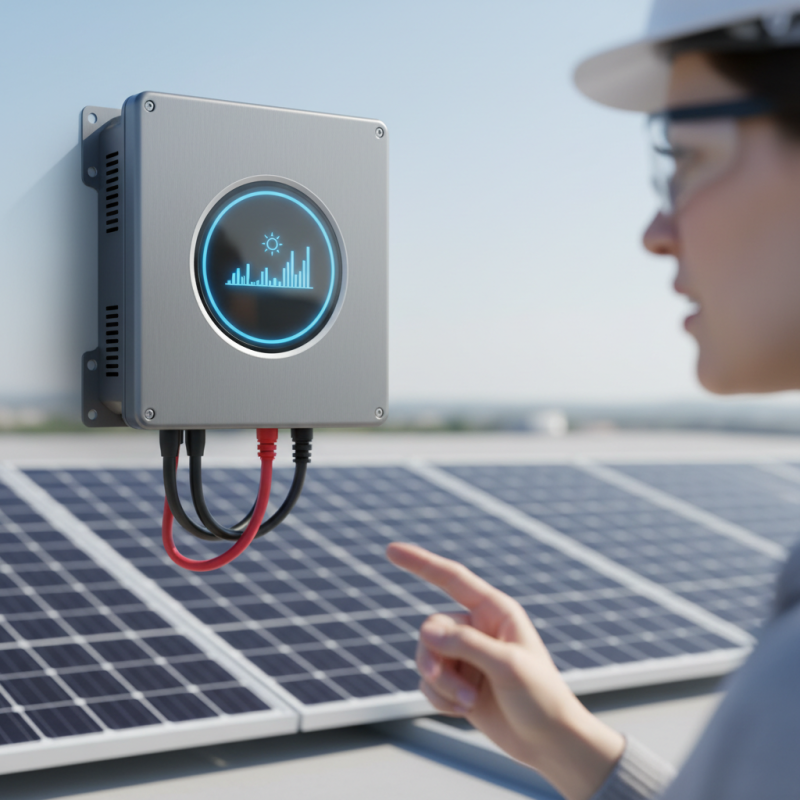
In a solar energy system, the inverter plays a crucial role as it converts the direct current (DC) generated by solar panels into alternating current (AC), which is the electricity used in homes and businesses. This transformation is essential for ensuring that the power generated is compatible with household appliances and the grid. Moreover, inverters can also provide valuable information about energy production and consumption, offering insights that can help optimize the overall efficiency of your solar system.
When choosing an inverter, it's essential to consider its efficiency rating. A higher efficiency means that less energy is lost during the conversion process, maximizing the amount of usable electricity from your solar panels. Additionally, pay attention to the inverter's warranty and lifespan. A reliable inverter typically comes with a solid warranty, which indicates the manufacturer's confidence in the product’s durability.
Another tip is to evaluate the size and capacity of the inverter based on your solar system’s output. It should be appropriately matched to your solar array to avoid underperformance or overloading. Furthermore, consider if you need additional features, such as energy monitoring or smart inverter capabilities, that can enhance the management of your solar energy system. By prioritizing these factors, you can ensure a more effective and efficient solar energy solution.
When selecting the best inverter for your solar system, it's essential to understand the key types of inverters available in the market today. The three primary categories are string inverters, microinverters, and power optimizers. String inverters are the most commonly used, ideal for residential setups where solar panels are installed at similar angles and orientations. According to the Solar Energy Industries Association (SEIA), string inverters account for about 70% of the residential solar market due to their cost-effectiveness and relatively simple installation process.
Microinverters, on the other hand, are designed for installations where panels might face different directions or shading, maximizing energy production on a per-panel basis. A report by Bloomberg New Energy Finance highlights that microinverters are gaining popularity, projected to command around 25% of the residential inverter market by 2025. Power optimizers combine the benefits of both string inverters and microinverters by allowing for panel-level monitoring while still connecting to a string inverter, leading to improved efficiency and performance.
Understanding these inverter types is crucial for optimizing the efficiency and energy output of your solar system. Each type suits different installation scenarios, so assessing your specific conditions—such as shading, panel layout, and budget—will guide you in making the best choice for your energy needs.
When choosing an inverter for your solar system, sizing is a critical factor that can significantly affect system performance and efficiency. A well-sized inverter should be able to handle the peak output of the solar panels while also accommodating potential energy losses due to environmental conditions or shading. According to the National Renewable Energy Laboratory (NREL), most residential solar systems operate efficiently with inverters that can manage about 80-90% of the total array capacity. This means that for a 6 kW solar panel system, an inverter rated between 4.8 kW and 5.4 kW would be ideal to optimize performance without risking overload.
Another important consideration when sizing your inverter is the anticipated energy production and consumption patterns of your household. Data from the Solar Energy Industries Association (SEIA) reveals that homeowners should take into account factors such as geographical location, seasonal variations, and each month’s solar radiation levels. For instance, homes in sunnier areas might need higher-capacity inverters to fully exploit their solar potential, while those in less sunny regions might benefit from a slightly undersized inverter to enhance efficiency. Properly analyzing and understanding these variables ensures that your solar inverter will perform optimally throughout the year, contributing to a sustainable and cost-effective energy solution.
| Factor | Description | Recommended Value |
|---|---|---|
| Inverter Type | Choose between string inverters, microinverters, and power optimizers. | Depends on system size and application |
| Efficiency | Look for inverters with high efficiency ratings (above 95%). | > 95% |
| Power Rating | Inverter’s capacity should match or exceed the solar panel output. | Match to panel wattage |
| Voltage Compatibility | Ensure it matches the system voltage (12V, 24V, 48V, etc.). | Match system specifications |
| Warranty | Check for a comprehensive warranty for long-term service. | 5-10 years |
| Temperature Tolerance | Inverters should operate efficiently in varying temperatures. | -20°C to 60°C |
| Size and Weight | Consider physical size for installation space and weight for mounting. | Compact and lightweight |
| Monitoring Features | Look for built-in monitoring or app connectivity for remote monitoring. | Integrated monitoring |
| Grid Tie Capability | Check if it’s compatible with grid tie setups if required. | Yes, if needed |
| Safety Features | Ensure safety features like short circuit protection and surge protection. | All essential safety features |
When selecting an inverter for your solar system, the efficiency rating stands as one of the most critical factors to consider. Efficiency ratings indicate how effectively an inverter converts the direct current (DC) generated by solar panels into alternating current (AC), which is used in most household appliances. In general, inverters with higher efficiency ratings will deliver more power to your home and maximize the energy produced by your solar array. It's advisable to look for inverters with efficiency ratings exceeding 95%, as they are more likely to yield optimal performance, especially during peak sunlight hours.
Additionally, examining the temperature coefficient alongside efficiency ratings can provide deeper insights into an inverter's performance under different environmental conditions. Since inverters tend to operate less efficiently at higher temperatures, a lower temperature coefficient indicates a better ability to maintain performance in hot weather. For those in warmer climates, this can significantly impact overall energy output. When evaluating different inverter options, it's crucial to consider not only the efficiency ratings but also how well they perform in real-world conditions, particularly in relation to your local climate and energy needs.
When investing in a solar system, the inverter plays a crucial role in converting sunlight into usable electricity. However, selecting the right inverter goes beyond just its technical specifications; it’s also vital to consider the warranty and support services offered by the manufacturer. A robust warranty can provide peace of mind, ensuring that any defects or performance issues are adequately covered. Typically, a longer warranty period reflects the manufacturer's confidence in their product's reliability and longevity.
In addition to warranty coverage, the level of customer support is another key factor. Reliable support means that if issues arise, such as installation questions, operational concerns, or maintenance needs, you have access to knowledgeable representatives who can assist you promptly. Good support not only facilitates a smoother experience but also helps in maximizing the performance and efficiency of your solar system over time. Before making a purchase, ensure that you thoroughly research and understand the warranty terms and the available support options to safeguard your investment.