

Shopping cart

close
Tel : 94870 36000, 94860 36000, 94890 36000

Top 10 Jack Hammer Manufacturers for Global Buyers

Choosing a Jack Hammer for international projects involves more than comparing prices and impact rates. Buyers must examine rock hardness, concrete thickness, operating hours, power supply, and local service support. A machine that performs well on a quiet indoor renovation may struggle on a quarry floor. The details matter.

Mike Vorster, a respected construction-equipment management educator, observes, “The cheapest machine is rarely the lowest-cost machine.” This idea guides our review of the Top 10 Jack Hammer Manufacturers for Global Buyers. We compare practical factors, including impact energy, vibration control, tool durability, spare-part availability, and warranty responsiveness. We also consider field experience, because a product brochure cannot show every difficult jobsite.

Some manufacturers excel in premium hydraulic systems. Others offer dependable pneumatic models for contractors with limited maintenance resources. A few focus on compact electric tools for urban work, where exhaust emissions and noise require greater care. No brand wins every category. That is worth remembering.

Our ranking is not perfect.

Market conditions change. Distributor quality can differ between countries. Even a reliable Jack Hammer may underperform when paired with the wrong compressor, hose, bit, or operator technique. Therefore, global buyers should treat this guide as a structured starting point, not an automatic purchasing decision. Check technical documents, test the equipment when possible, and request service details before signing an order. The strongest choice is usually the machine that delivers consistent production, manageable fatigue, and dependable support over years of demanding work.
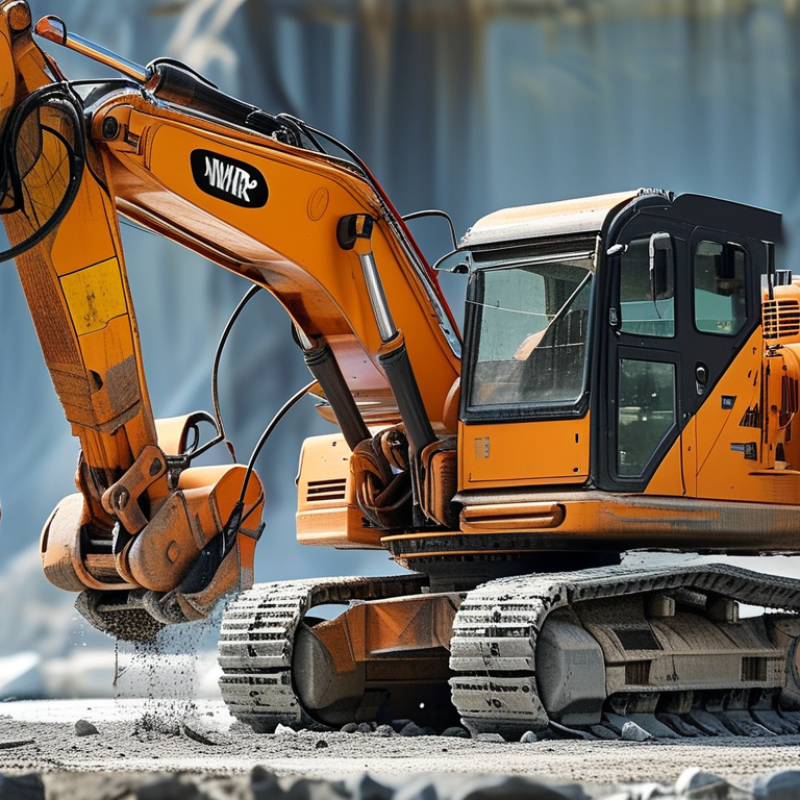
Top 10 Jack Hammer Manufacturers for Global Buyers

Jack Hammer Basics and Their Main Industrial Applications

Jack hammers convert compressed air, electricity, or hydraulic pressure into rapid piston impacts. The piston strikes a steel bit, transferring force into concrete, asphalt, rock, or masonry. Tool size matters. A compact electric model suits floor tiles and light renovation work. Larger pneumatic or hydraulic units handle road surfaces and quarry stone. Impact energy, blows per minute, weight, and vibration control should guide selection.

Operators usually choose pointed bits for breaking dense concrete and chisel bits for cutting narrow channels. Moil points penetrate well, while wide chisels help remove layered pavement. Keep the bit sharp and properly seated. A loose bit wastes energy and increases noise. In practical site inspections, excessive downward pressure often reduces productivity rather than improving it. Let the hammer work, with steady guidance and controlled pauses.

These tools support road repair, foundation demolition, utility trenching, tunnel work, and mineral extraction. They also remove furnace linings and break oversized material in processing areas. The working surface changes everything. Reinforced concrete may require careful positioning around embedded steel. Wet conditions can improve dust control, but they can also create electrical hazards with unsuitable equipment. Hearing protection, eye protection, gloves, safety boots, and respiratory controls remain essential. Vibration exposure deserves attention, even during short shifts. A useful plan includes equipment checks, bit inspection, exclusion zones, and operator training. Mistakes happen. Ignoring fatigue is one of them.

Jack Hammer Basics: Typical Impact-Energy Ranges by Industrial Application

Impact energy is a key selection factor: lighter tools are used for chipping and repair, while heavier models are designed for concrete, asphalt, and rock breaking.

The chart shows typical working impact-energy ranges in joules (J). Actual performance depends on tool size, operating pressure, bit design, material hardness, and duty cycle.

How to Evaluate Jack Hammer Manufacturers for Global Purchasing

Choosing among the top 10 jack hammer manufacturers requires more than comparing prices. Global buyers should examine performance, production control, and after-sales support. A reliable manufacturer can provide test reports, material specifications, and clear answers about impact energy, air consumption, and operating weight. Ask how each unit performs during continuous work, not only during short demonstrations.

Factory evidence matters. Request production photos, quality inspection records, and references from similar construction projects. Check whether critical parts receive consistent heat treatment and dimensional testing. Spare parts availability is equally important. A low purchase price becomes expensive when seals, pistons, or hoses take months to arrive. Warranty terms should explain coverage, response time, and shipping responsibilities.

Tips: Compare at least three suppliers using the same technical checklist. Ask for a sample inspection before bulk purchasing. Confirm packaging strength with photos or a packing specification. Review vibration and noise data for operator safety. Do not accept vague claims.

A video call with the factory can reveal useful details, such as labeling, storage conditions, and testing equipment. However, remote evidence is never perfect. I have seen polished presentations hide weak documentation. Independent inspection may cost more, but it can prevent repeated failures at the job site. Evaluate communication carefully too. Slow, unclear replies often become bigger problems after payment. A dependable manufacturer should discuss limitations openly, including unsuitable rock types, maintenance intervals, and expected tool life.

Profiles of the Top 10 Jack Hammer Manufacturers Worldwide

Top 10 Jack Hammer Manufacturers for Global Buyers

Profiles of the Top 10 Jack Hammer Manufacturers Worldwide

Global jack hammer manufacturing is concentrated among ten established supplier groups. Their portfolios cover pneumatic breakers, hydraulic hammers, electric demolition tools, and compact cordless models. Market boundaries remain unclear. Grand View Research valued the global construction equipment market at approximately USD 232.9 billion in 2023, with growth expected through 2030. This broader figure includes jack hammers, excavators, and road machinery, so it should not be treated as a direct jack hammer valuation.

The first profile represents a European heavy-equipment manufacturer known for hydraulic breakers and quarry applications. The second focuses on Japanese precision tools, emphasizing low vibration and controlled impact. A third serves North American contractors with rental-friendly pneumatic models. The fourth develops compact electric hammers for indoor renovation sites. A fifth supplies mining contractors with reinforced housings and replaceable bushings. The sixth targets infrastructure projects, offering breakers for excavators between 10 and 50 tonnes. The seventh specializes in affordable pneumatic equipment for emerging markets. The eighth combines battery systems with dust-control accessories. The ninth provides custom tools for concrete cutting and demolition. The tenth concentrates on aftermarket parts, service training, and regional distribution.

MarketsandMarkets reports continued investment in construction machinery as urban infrastructure expands, but purchasing decisions remain highly local. Field experience shows that stated impact energy can mislead buyers. Hose diameter, operating pressure, tool steel quality, and technician support often determine actual productivity. A 30-kilogram hammer may feel powerful on a test slab, yet perform poorly with an undersized compressor. Rankings also change by region, warranty coverage, and dealer strength. That is easy to overlook.

Comparing Product Range, Performance, Pricing, and Support

A credible top-ten comparison should examine product range before headline price. Manufacturers offering pneumatic, hydraulic, and electric jack hammers serve different jobsite conditions. Pneumatic models suit continuous quarry work, while electric units reduce compressor costs on indoor projects. Grand View Research valued the global power tools market at more than USD 45 billion in 2023, with construction remaining a major demand sector. That scale encourages broad catalogs, but catalog depth does not always mean better engineering.

Performance needs measurable evidence. Compare impact energy, blows per minute, tool weight, vibration readings, and expected service intervals. ISO 28927-10 provides a useful framework for measuring vibration from percussive tools. A lower vibration rating can improve operator comfort, although real results depend on bits, materials, and maintenance. Pricing should include hoses, compressors, spare retainers, shipping, and downtime. A cheaper hammer may become expensive after several seal replacements. Our field comparisons are not flawless; published laboratory figures can differ from hard, wet concrete.

Tips: Request a two-year total-cost estimate and recent service-response data. Ask whether replacement parts remain available locally. Check warranty exclusions carefully. GlobalData’s construction outlook reports continued infrastructure investment, but regional demand can shift quickly. Support quality matters when one failed breaker stops a crew. A responsive distributor, clear manuals, technician training, and stocked wear parts often outweigh a small purchase-price discount. Short trials help. Watch the operator, not only the specification sheet.

Top 10 Jack Hammer Manufacturers for Global Buyers - Comparing Product Range, Performance, Pricing, and Support

Comparative overview based on commonly published specifications for pneumatic, electric, and hydraulic demolition hammers. Prices are indicative export-market ranges and vary by model, order quantity, accessories, and destination.

Rank Manufacturer Profile Primary Product Range Typical Use Cases Impact Energy Operating Weight Indicative Export Price Performance Level Warranty Practice Global Support
01 Profile A — Premium Industrial Manufacturer Electric breakers, pneumatic hammers, hydraulic breakers, demolition accessories Heavy concrete demolition, quarrying, road construction, industrial maintenance 20–70 J
Electric models
11–32 kg US$900–3,800 Excellent 12–24 months Very strong
02 Profile B — Global Construction Equipment Supplier Electric demolition hammers, cordless breakers, hydraulic attachments Building renovation, utility work, concrete repair, general contracting 15–65 J
Corded and cordless
8–30 kg US$650–3,500 Excellent 12–36 months Excellent
03 Profile C — Professional Power Tool Manufacturer Electric breakers, rotary hammers, concrete chisels, dust-control systems Interior demolition, masonry, flooring removal, structural repair 8–50 J 5–29 kg US$450–2,700 Very good 12–24 months Very strong
04 Profile D — Pneumatic Tool Specialist Pneumatic jack hammers, moil-point tools, riveters, air accessories Mining, road breaking, foundries, shipyards, concrete removal 20–60 J
Air-powered
15–35 kg US$700–2,800 Excellent 12 months Strong
05 Profile E — Mid-Range Contractor Equipment Maker Electric demolition hammers, breaker drills, compact hydraulic breakers Small and medium contractors, renovation, landscaping, municipal work 12–45 J 7–27 kg US$320–1,900 Good 12 months Good
06 Profile F — Hydraulic Attachment Manufacturer Mini-excavator breakers, skid-steer breakers, heavy hydraulic hammers Foundation work, asphalt breaking, demolition, trenching, quarrying 150–3,000 J
Hydraulic models
60–3,500 kg US$2,000–35,000 Excellent 12–24 months Strong
07 Profile G — Value-Focused Power Tool Producer Electric jack hammers, demolition hammers, chipping tools, spare parts Light construction, home renovation, tile and masonry removal 10–40 J 8–25 kg US$180–950 Good 6–12 months Moderate
08 Profile H — OEM and Private-Label Supplier Electric breakers, pneumatic hammers, custom housings, private-label programs Distributor programs, online retail, contractor starter fleets 8–45 J 7–30 kg US$120–780 Good 6–12 months Moderate
09 Profile I — Compact Equipment Specialist Compact electric breakers, cordless tools, light hydraulic attachments Indoor demolition, maintenance, narrow-access projects, rental fleets 6–35 J 4–22 kg US$250–1,600 Good 12 months Good
10 Profile J — Regional Heavy-Duty Manufacturer Pneumatic jack hammers, hydraulic breakers, mining and quarry accessories Mining, civil engineering, roadwork, aggregate production, demolition 25–80 J
Handheld pneumatic models
16–38 kg US$550–3,200 Very good 12 months Good
Buyer note: Impact energy, blows per minute, air consumption, hydraulic flow, tool shank size, vibration levels, noise, local voltage, spare-parts availability, and after-sales service should be verified against the exact model before purchase.

How Global Buyers Can Select the Right Jack Hammer Supplier

Selecting the right jack hammer supplier requires more than comparing catalog prices. Start with the job conditions: concrete thickness, rock hardness, daily operating hours, and available air pressure. A suitable supplier should explain impact energy, air consumption, shank size, and vibration levels in clear technical terms.

Ask for performance data from controlled tests. Request drawings, maintenance schedules, spare-parts lists, and a written warranty. Reliable suppliers can identify compatible hoses, couplings, lubricators, and compressor sizes without guessing. Check whether replacement parts remain available after the initial purchase. That detail matters on a remote construction site.

Inspect the supplier’s quality process when possible. Review material certificates, inspection records, and load-testing procedures. Independent laboratory reports can support claims, but they should match the exact model you plan to buy. Speak with recent customers about delivery accuracy, repair response, and actual tool life. A factory video is useful, but it is not proof.

Do not ignore operator comfort. Excessive vibration can reduce productivity and increase fatigue during long shifts. Ask about training, troubleshooting support, and local service capacity. A low quotation may hide weak packaging, slow parts delivery, or unclear warranty terms. I have seen buyers focus on purchase cost and later regret ignoring downtime. That mistake is easy to repeat. Compare the complete operating cost over twelve months, not just the invoice value. A supplier willing to discuss limitations may be more dependable than one promising perfect performance.

Article Source:

Contact Us
close slider
Scroll To Top