2026 Top Container Generator Trends for Global Buyers?
The surge in demand for Container Generators reflects the evolving needs of businesses worldwide. As we approach 2026, industry trends show a shift towards more efficient and reliable power solutions. Global buyers are seeking innovations that enhance performance, reduce emissions, and increase portability.
Container Generators are no longer just backup power sources. They are essential in various sectors, including construction and renewable energy. Buyers are prioritizing features like noise reduction, fuel efficiency, and easy transport. However, these advancements bring challenges. Manufacturers must address quality control and sustainability issues to meet rising expectations.
The future of Container Generators lies in smart technology and integration. While this shift promises benefits, it also raises questions about security and user training. As buyers demand more sophisticated solutions, it is crucial to remain vigilant about these challenges. Understanding the balance between innovation and practicality will be key for success.
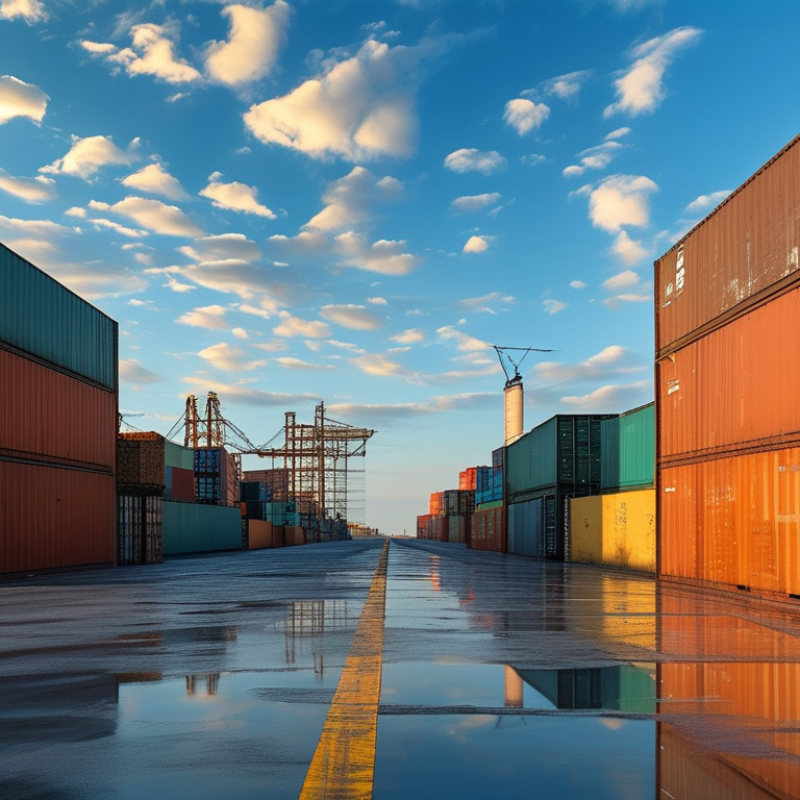
Emerging Technologies in Container Generators by 2026
The demand for container generators is set to evolve significantly by 2026. Emerging technologies will play a critical role in this transformation. According to a recent market analysis by Research and Markets, the global container generator market is projected to grow at a CAGR of 5.3% from 2022 to 2026. This growth indicates a shift towards more efficient and sustainable energy solutions.
One major trend is the integration of renewable energy sources into container generators. Solar and wind energy are becoming more prevalent. As per the International Energy Agency, renewable energy share in total energy consumption is expected to reach 30% by 2026. This shift not only reduces carbon footprints but also lowers operational costs for businesses. However, challenges remain, such as the high initial investment in hybrid systems.
Advancements in digital technology are reshaping container generator operations. IoT and machine learning can optimize performance and maintenance. Smart sensors can monitor efficiency in real time, thereby minimizing downtime. Reports from Deloitte emphasize that predictive maintenance models could reduce maintenance costs by up to 25%. While these technologies offer great promise, their implementation may face obstacles like data security and system integration challenges.
Sustainability Practices Shaping the Future of Container Generators
The future of container generators is increasingly influenced by sustainability practices. Global buyers are now prioritizing eco-friendly options. These generators must reduce emissions. Innovative technology plays a significant role in this transition.
Understanding how companies implement sustainable practices is crucial. Many are focusing on renewable energy sources. Solar and wind energy integration is becoming popular. Additionally, manufacturers are exploring advanced materials that lower the ecological footprint.
Tips: Consider the lifecycle of the generator. Choose options that emphasize energy efficiency. Regular maintenance also improves performance and longevity. Staying informed about new regulations can guide your choices. Sustainability isn’t just a trend—it is essential for the future.
As manufacturers adapt, there’s always room for improvement. Not all sustainable practices are equally effective. Scrutinize claims and demand transparency. This encourages companies to innovate responsibly.
Market Demand Trends Among Global Buyers for Container Generators
The demand for container generators is on the rise among global buyers. According to a recent report by Market Research Future, the global container generator market is expected to grow at a CAGR of 7% between 2022 to 2026. This growth is largely driven by the increasing need for portable power solutions across various industries, including construction and events.
Sustainability remains a key focus for buyers. Reports indicate that many organizations are prioritizing eco-friendly generators. In fact, over 50% of global buyers are willing to invest in greener technologies. These buyers are actively seeking products that reduce carbon footprints while maintaining efficiency. Container generators that utilize cleaner fuel options are particularly attracting attention.
Another trend is the shift towards smart technologies in generator systems. A survey indicated that 65% of buyers prefer generators equipped with IoT capabilities. These innovations allow for remote monitoring and maintenance. Despite the advantages, some buyers express concerns over the reliability of smart systems. Balancing innovation with proven performance is an ongoing challenge in the market.
Innovations in Fuel Efficiency and Emission Reductions
As the global market shifts towards environmental sustainability, innovations in fuel efficiency and emission reductions are at the forefront of container generator trends. Companies are now investing heavily in advanced technologies. These innovations include hybrid systems that combine traditional fuels with renewable energy sources. This shift not only reduces emissions but also promotes operational cost savings.
Tips: Evaluate your current generator's fuel consumption. Assess if upgrading to a more efficient model could save money in the long run. Consider alternative fuel sources like biogas or solar energy. These options are becoming increasingly viable.
In the quest for better efficiency, many generators now incorporate smart monitoring systems. These systems track fuel usage and emissions in real-time. However, implementing new technologies can be challenging. Not all systems integrate seamlessly with existing operations. Therefore, thorough research and trials are essential before committing to a new generator.
Tips: Explore customer reviews and expert analyses on emerging technologies. This can provide insights into what works best for your needs. Engage in community forums to share experiences and gather ideas from other users facing similar challenges.
Key Players and Competitive Dynamics in the Container Generator Market
The container generator market is experiencing shifts in player dynamics. Key players are adapting to evolving client demands. An increasing focus on efficiency and sustainability is now evident. This has prompted firms to innovate and expand their product lines. Competition remains intense as technology advances rapidly.
New entrants are challenging established brands, but it’s not without risks. Some companies struggle to maintain quality while pushing for innovation. Issues like supply chain disruptions can also hamper progress. Established players often have the advantage of experience, with proven records in reliability. Yet, newer firms bring fresh perspectives to the market.
This competitive landscape drives both innovation and introspection. Companies must assess their strategies regularly. Balancing innovation with proven practices is essential for success. It’s a continual challenge to meet customer expectations while managing operational constraints. The future of the container generator market will depend on how well companies navigate these complexities.