

Shopping cart

close
Tel : 94870 36000, 94860 36000, 94890 36000

Top Tips for Choosing the Best Auto DC Pump for Your Needs?

Choosing the right Auto Dc Pump can be challenging. With so many options available, it’s easy to feel overwhelmed. Your needs may vary based on specific applications. Each pump has unique features and uses.

Understanding the basics of Auto DC Pumps helps. Consider the size, power source, and flow rate. For instance, a smaller pump is ideal for compact spaces. On the other hand, larger models may be required for heavy-duty tasks. You might find that some pumps are more energy-efficient than others. This feature can save you money over time.

However, the perfect choice still requires careful thought. Some users regret their decisions after failing to evaluate their requirements properly. What works for one application might not suit another. Take the time to reflect on your needs and usage scenarios. This will lead you to a more suitable Auto DC Pump.
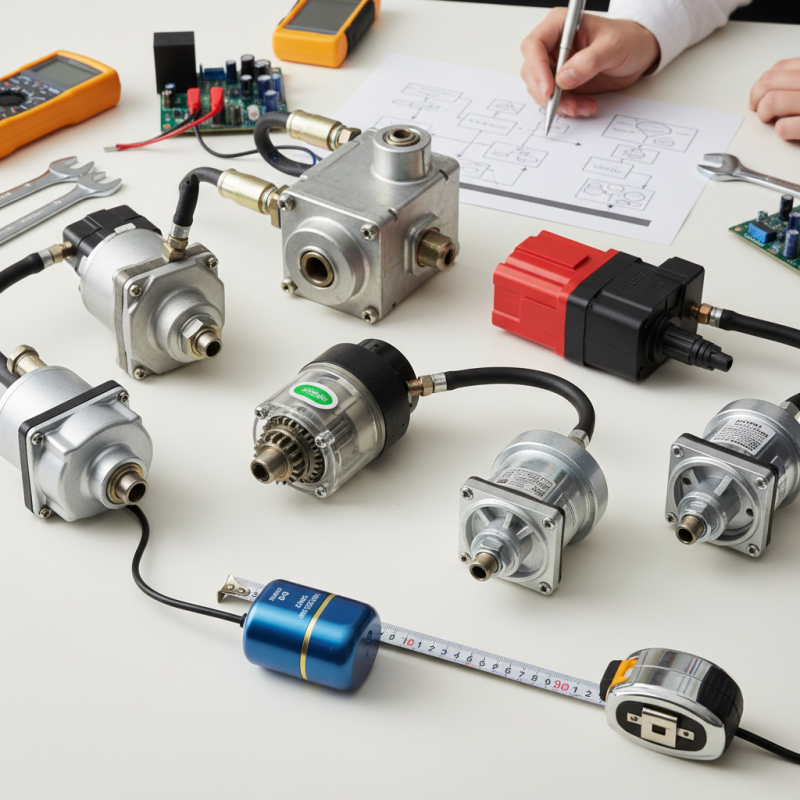
Top Tips for Choosing the Best Auto DC Pump for Your Needs?

Understanding Different Types of Auto DC Pumps Available in the Market

When exploring auto DC pumps, understanding the various types available is crucial. There are submersible, inline, and diaphragm pumps. Each type serves distinct purposes, which can directly impact your choice. Submersible pumps are ideal for deep applications. They work underwater and provide efficient water flow. Inline pumps, on the other hand, are for surface applications and can handle high pressure. Diaphragm pumps allow for precise flow control, making them suitable for delicate tasks.

Tips: Assess your specific needs. Consider the flow rate and pressure that you require. Too much pressure can damage sensitive parts. If you're unsure, consult with an expert to clarify your options.

Look for materials that ensure durability. Plastic pumps might be lighter, but metal ones often last longer. Balance weight and longevity according to your requirements. Testing different models can be a worthwhile venture. It’s important to understand that not every pump fits all situations. A pump that suits one application may fail in another. Pay attention to the pump's specifications, and don’t hesitate to seek feedback from other users. Their experiences can provide valuable insights.

Identifying Your Specific Needs for an Auto DC Pump

When selecting an auto DC pump, it's crucial to identify your specific needs. Consider the primary purpose of the pump. Is it for water transfer, irrigation, or something else? Each task requires different specifications. Understand the flow rate you need. A pump that is too weak will slow your project down. On the other hand, choosing a pump that is too powerful may lead to wasted energy and higher costs.

Pay attention to the voltage requirements. Ensure that the pump matches your power supply. It is vital to align these specifications with your existing systems. Don’t forget about size. A larger pump may be more powerful, but it could also be harder to install in tight spaces. Take a moment to reflect on the installation environment. Is there enough ventilation? Will you require additional accessories or tools for proper setup? These questions can lead to better choices.

Lastly, think about maintenance. Some pumps need regular checks, while others are more reliable. A low-maintenance option may save you time in the long run. However, remember that lower upkeep can also mean less control over performance. Sometimes, a balance is necessary. Choosing the right pump is not just about specifications; it's about fitting it into your unique context and needs.

Key Features to Look for in a Quality Auto DC Pump

When choosing an auto DC pump, several key features should be prioritized to ensure optimal performance. One crucial aspect is the pump's flow rate, often measured in gallons per minute (GPM). For instance, most quality pumps range from 1 to 5 GPM, suitable for various applications. A higher flow rate typically indicates better performance in time-sensitive tasks, yet it may come with increased power consumption.

Another important feature is the power rating, which often varies between 12V and 24V systems. A study by the International Journal of Energy Engineering noted that efficiency ratings can fluctuate significantly. Quality pumps boast an energy efficiency of around 75-85%. This efficiency not only saves energy but also extends the pump's lifespan. However, some users find that cheaper models might lack this efficiency, leading to frequent replacements.

Durability is also a vital factor. Look for materials resistant to corrosion and wear, such as reinforced plastic or stainless steel. According to research, pumps made from these materials last 30% longer. However, cheaper models made from lower-grade materials may seem appealing but often crack and break sooner. Ultimately, while it's tempting to prioritize low cost, long-term reliability and performance should be the guiding principles.

Evaluating Performance Metrics: Flow Rate and Pressure

When selecting an auto DC pump, two critical performance metrics are flow rate and pressure. The flow rate defines how much fluid the pump can move in a given time. It is typically measured in liters per minute. Assessing your needs is essential. Consider the application. Are you moving water or a thicker substance? Higher viscosity fluids may require different specifications.

Pressure is another vital aspect. It indicates how forcefully the fluid is pushed through the system. Understanding the pressure needed can prevent underperformance. For instance, a pump may have a high flow rate but low pressure. This mismatch can lead to inadequate performance in some setups.

When evaluating these metrics, think about your system’s requirements. Balance between flow rate and pressure is crucial. Sometimes, buyers focus too much on one aspect, neglecting the other. Each application has unique demands. Reflecting on your specific needs can guide you in making a more informed choice. It's better to ask questions and gather data than to make assumptions.

Comparing Price Points and Manufacturers for Value Selection

Choosing an auto DC pump requires careful consideration of price points and manufacturers. Explore a variety of options to find the best fit. Prices can range significantly based on features and quality. Lower-priced models may seem attractive but often lack durability. Higher-priced pumps might offer reliability but could stretch your budget.

When evaluating manufacturers, look for established names with good reputations. Check reviews and customer feedback to gauge quality. Many users report issues with less-known brands. Availability of replacement parts is crucial as well. Some manufacturers do not offer adequate support, leading to frustration later.

Consider your needs carefully. What specific features matter most to you? Is it flow rate, energy efficiency, or size? Reflect on how these factors impact your choice. The perfect pump may not exist, but with thorough research, you can find a solid option that meets most of your requirements. Seek balance between function and cost to ensure lasting value.

Top Tips for Choosing the Best Auto DC Pump for Your Needs

Pump Type Max Flow Rate (GPH) Power Consumption (W) Price Range ($) Warranty (Years)
Submersible Pump 600 50 100 - 150 2
Inline Pump 800 75 120 - 200 3
Diaphragm Pump 300 35 80 - 120 1
Gear Pump 400 60 110 - 180 2
Peristaltic Pump 250 45 90 - 140 1
Contact Us
close slider
Scroll To Top