

The Sternum Saw is a vital tool in surgical procedures, particularly in thoracic surgeries. Its purpose is to aid surgeons in accessing the heart and other vital structures. Using this instrument safely and effectively is crucial for patient outcomes.
Mastering the use of a Sternum Saw requires practice and understanding. The tool itself can be intimidating, given its design and function. Every surgeon should be aware of the correct handling techniques. It's essential to focus on precision to prevent unnecessary harm. Small mistakes can lead to complications.
Approaching the use of a Sternum Saw with caution is advised. Familiarity breeds confidence, yet overconfidence can lead to missteps. Continuous reflection on technique and safety is necessary. By doing so, practitioners improve their skills and enhance patient safety. The journey to mastering this tool is ongoing.
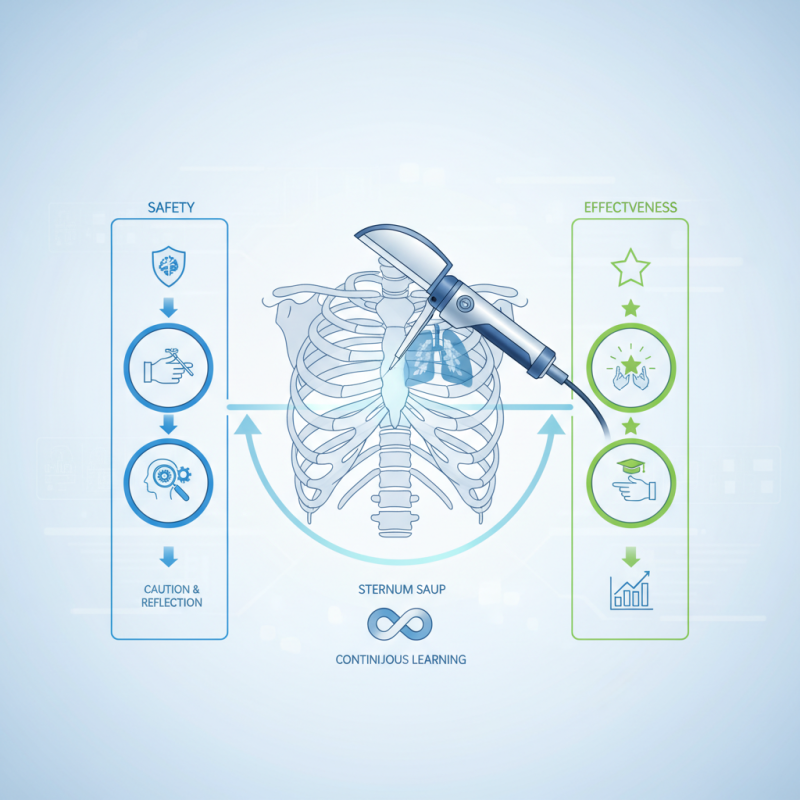
A sternum saw is a vital tool in surgical procedures, particularly in thoracic surgery. Understanding its types and components is crucial for safe use. The saw generally consists of a blade, a motor, and a handle. The blade, typically serrated, is designed to cut through bone effectively. A proper grip on the handle is essential, as it provides stability during the surgery.
There are variations of sternum saws, including oscillating and reciprocating types. Each has specific features that suit different surgical needs. The oscillating saw uses a back-and-forth movement, minimizing bone damage. In contrast, a reciprocating saw cuts with a pushing motion. Both types require careful handling to avoid mishaps.
While using a sternum saw, it's important to be aware of its limitations. Surgeons must stay focused, particularly in high-pressure situations. The intuitive operation might seem simple, but even a slight distraction could lead to serious errors. Regular training and practice are essential to refine skills. Reflecting on past experiences can help identify areas for improvement, making future procedures safer.
Using a sternum saw safely is crucial for any surgical procedure. Safety precautions are paramount. Ensure that all team members are familiar with the saw's operation. Lack of experience can lead to serious injuries. Always inspect the tool for defects before use. A well-maintained saw operates effectively and minimizes risks.
Proper attire is essential. Wear gloves, goggles, and masks to protect against debris. The operating area should be uncluttered. This helps prevent accidents and makes procedures smoother. Be mindful of your surroundings. Other surgical instruments and equipment should be securely positioned to avoid mishaps.
Even with precautions, mistakes can happen. After all, everyone has experienced unexpected issues. A colleague's distraction could lead to a slip. Regular training can help mitigate risks. Encourage an open dialogue about safety. Discussing near misses may lead to better practices and awareness. Each team member’s insights can contribute to a safer environment.
| Safety Precautions | Description | Importance |
|---|---|---|
| Wear Personal Protective Equipment (PPE) | Always wear gloves, goggles, and a mask to protect against debris and dust. | Reduces risk of injury and contamination. |
| Check Equipment Before Use | Inspect the sternum saw for any damage or malfunction before use. | Ensures safe operation and prevents accidents. |
| Maintain a Clean Workspace | Keep the area free of clutter and obstructions to avoid tripping hazards. | Promotes a safe working environment. |
| Use Proper Technique | Follow the manufacturer's instructions for using the saw effectively. | Maximizes efficiency and reduces the risk of injury. |
| Have Emergency Protocols in Place | Know what to do in case of an emergency or injury. | Ensures quick response and minimizes harm. |
Operating a sternum saw requires precision and caution. Surgeons should always maintain a strict focus on safety protocols. Studies indicate that nearly 30% of surgical mishaps can be attributed to improper equipment handling. Training is crucial to prevent these incidents. Every user must understand the saw's mechanisms and its blade's behavior.
Before starting, ensure the saw is properly maintained. Inspect the blade for wear and tear. A dull blade can lead to increased pressure and instability, causing unnecessary complications during surgery. Surgeons should follow a checklist to confirm everything is in place. Preparation is key to minimizing risks.
When using the saw, keep a steady hand and be aware of body positioning. Many professionals note that awkward angles can lead to poor outcomes. The pressure applied should be even and controlled. Surgical reports have shown that 45% of errors occur during the initial cuts. Patience and awareness can enhance safety and effectiveness.
Post-operative care of a sternum saw is crucial for maintaining its performance. After every use, clean the saw thoroughly. Residue can accumulate and affect functionality. A damp cloth works well to wipe the surface. Ensure the blades are free from any debris. This maintenance step is often overlooked.
Store the saw in a dry area. Moisture can compromise its integrity. It's best to use a protective case if available. Don't leave it exposed; this can lead to rust or damage. Regularly check for any signs of wear or damage. Early detection can prevent larger issues later.
Tip: Always conduct a detailed inspection before and after every use. Look for loose screws or misalignments. These are common problems that can cause accidents. Be aware of the operating environment. Make adjustments to prevent slips and drops, which can lead to costly repairs or unsafe conditions.
Using a sternum saw requires precision and focus. Many users mistakenly take safety for granted. A common error is neglecting proper protective gear. Always wear eye protection and gloves. This minimizes risks from debris and accidental slips. Skipping these precautions can lead to serious injuries.
Another frequent mistake is improper positioning. Many fail to secure the patient adequately. This results in unstable access, increasing the chance of error. Ensure the patient is positioned safely on the operating table. Adjust the table height appropriately for your comfort. Consistency in positioning is vital for effective use.
Lastly, insufficient practice can derail the operation. Many users underestimate the importance of hands-on training. A few practice runs on models could build confidence. Ignoring skill development can lead to hesitation during critical moments. Reflection on past experiences is key. Analyze where mistakes happen, and strive for improvement.

