

Shopping cart

close
Tel : 94870 36000, 94860 36000, 94890 36000

What is a Lithium Battery Car and How Does it Work?

The rise of the Lithium Battery Car marks a significant shift in the automotive industry. As of 2023, reports indicate that over 5 million electric vehicles (EVs) equipped with lithium batteries are on the roads globally. This growth reflects an increasing demand for sustainable alternatives to traditional gasoline cars. Experts predict that lithium-ion battery sales for electric vehicles will grow at a compound annual growth rate (CAGR) of 18% through 2030.

Dr. Emily Carter, a renowned specialist in battery technology, emphasizes the potential of lithium battery vehicles: “The future of transportation lies in our ability to harness lithium-ion technology effectively.” The innovative properties of lithium batteries, such as high energy density and efficiency, enable longer driving ranges while minimizing charging times. However, this progress also raises questions about sustainability and resource management.

While lithium battery cars promote cleaner energy, challenges remain. The environmental impact of lithium extraction is a concern for many. Over-reliance on a single resource can be problematic. As the industry evolves, finding a balance between technological advancement and ecological responsibility will be crucial. As Dr. Carter suggests, reflection and adaptation are essential in navigating this emerging landscape.
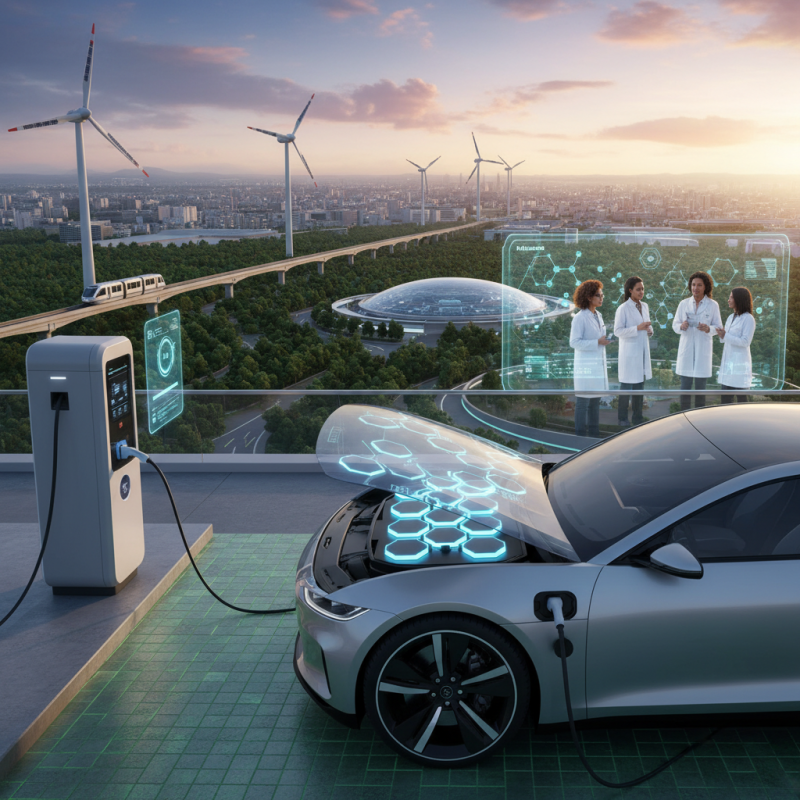
What is a Lithium Battery Car and How Does it Work?

What is a Lithium Battery Car?

A lithium battery car uses lithium-ion batteries to power the vehicle. These batteries store energy and release it to drive the electric motor. In recent years, lithium batteries have gained popularity due to their efficiency and energy density. According to industry reports, lithium-ion batteries can deliver over 150 Wh/kg, making them a suitable choice for electric vehicles (EVs).

Lithium battery cars can travel longer distances on a single charge compared to traditional electric vehicles. Many models now offer ranges exceeding 300 miles. However, the environmental impact of lithium extraction raises concerns. Mining practices can lead to water pollution and habitat destruction. This issue invites reflection on sustainable alternatives.

Tips: Consider charging habits. Frequent charging to 100% may reduce battery lifespan. Maintaining a charge level between 20% and 80% is often recommended. Also, keep an eye on temperature, as extreme heat or cold can affect performance.

Despite their advantages, lithium battery cars still face challenges. The availability of charging stations can be limited in some areas. This can make long trips difficult. Prospective buyers should consider their typical travel patterns. Adopting electric vehicles requires careful planning, especially in regions lacking adequate infrastructure.

Key Components of a Lithium Battery Electric Vehicle

Lithium battery electric vehicles (EVs) consist of several key components that work together. The battery system is the heart of these vehicles. It stores energy in lithium-ion cells, which provide power for driving. The energy density of lithium batteries allows for longer ranges compared to older technologies. However, the efficiency can vary based on temperature and usage patterns.

Another crucial component is the electric motor. This motor converts electrical energy into mechanical energy for propulsion. It can offer instant torque, allowing for quick acceleration. But it’s worth noting that the performance can decline with age or if the battery isn't properly maintained.

Additionally, the battery management system (BMS) plays an essential role in monitoring and optimizing the performance of the battery pack. It ensures the cells are charged and discharged evenly, helping to extend battery life. Yet, even with advanced technology, many users still face challenges with battery degradation over time. This process can impact overall vehicle performance. Regular checks are necessary to ensure the vehicle operates efficiently.

How Lithium Batteries Generate and Store Energy

Lithium batteries are at the core of electric vehicles. They generate and store energy through electrochemical reactions. Lithium ions move between the positive and negative electrodes during charging and discharging cycles. This process creates a flow of electric current, which powers the vehicle's motor.

In 2022, the global lithium-ion battery market reached approximately $44.2 billion, according to industry reports. This growth reflects the increasing demand for sustainable energy solutions. Yet, challenges remain. The extraction of lithium can have environmental impacts. Ensuring sustainable sourcing methods is crucial to balance energy needs and ecological health.

Lithium batteries also suffer from degradation over time. Studies indicate that their capacity can decline by about 20% after 1,500 charge cycles. This raises questions about longevity and efficiency. As innovation continues, researchers are exploring ways to enhance battery life and performance. The goal is to create batteries that generate more energy while reducing waste.

The Charging Process of Lithium Battery Cars

The charging process of lithium battery cars is central to their functionality. These vehicles rely on lithium-ion batteries, which store energy for electric propulsion. The charging begins when the driver connects the car to a charging station. This process resembles plugging in a smartphone, but with high voltage and current.

During charging, lithium ions move from the cathode to the anode. This movement creates a flow of electricity that powers the vehicle. Drivers can choose different charging options. Level 1 charging uses a standard outlet, while Level 2 utilizes dedicated charging stations. Fast charging options are available, but they can be more stressful for the battery.

One common issue is battery degradation over time. Frequent fast charging can lead to a reduction in battery life. Charging at lower rates may extend the battery’s lifespan. Additionally, extreme temperatures can impact charging efficiency. It provides a reminder to monitor vehicle health. Awareness of these factors helps drivers optimize performance and longevity.

Lithium Battery Charging Process Overview

Advantages and Challenges of Using Lithium Batteries in Vehicles

Lithium batteries are increasingly popular in electric vehicles. They offer several advantages. These batteries provide a higher energy density compared to traditional lead-acid batteries. According to a report by the International Energy Agency, lithium-ion batteries can store about 150-250 watt-hours per kilogram. This means longer driving ranges for electric cars. Many models can exceed 300 miles on a single charge.

However, challenges remain. Lithium mining can harm the environment. Extraction processes often lead to water depletion and pollution. In addition, battery recycling is not yet fully developed. The current recycling rate is around 5%, according to the Battery Manufacturers Association. This raises concerns about sustainability. Battery disposal contributes to electronic waste in landfills. The need for better recycling technologies is critical.

Moreover, lithium batteries can be costly. Prices have dropped in recent years, but they still represent a significant portion of the vehicle’s cost. Consumers weigh savings from lower fuel costs against initial expenses. The lifespan of batteries varies, with newer technologies promising longer life. Yet, concerns about performance degradation over time cannot be ignored.

What is a Lithium Battery Car and How Does it Work? - Advantages and Challenges of Using Lithium Batteries in Vehicles

Feature Description
Battery Chemistry Lithium-ion (Li-ion) is commonly used in electric vehicles due to its high energy density and efficiency.
Advantages Lightweight, long lifespan, fast charging capability, and higher energy density compared to lead-acid batteries.
Challenges Cost of production, thermal runaway risk, resource scarcity, and recycling issues.
Charging Time Typically 30 minutes to several hours depending on the charger type and battery capacity.
Range Can vary significantly; many EVs offer a range of 150 to 370 miles on a full charge.
Environmental Impact Lithium mining and battery disposal/recycling pose environmental challenges.
Maintenance Generally low maintenance; however, battery health monitoring is essential.
Contact Us
close slider
Scroll To Top