

Shopping cart

close
Tel : 94870 36000, 94860 36000, 94890 36000

Why Should You Invest in an Aquatic Weed Harvester?

Investing in an Aquatic Weed Harvester is a strategic decision for managing water bodies effectively. In the United States, the aquatic weed management market is projected to reach $2.8 billion by 2025, highlighting the growing demand for efficient solutions. Experts like Dr. Sarah Whitmore, a prominent aquatic ecology specialist, emphasize the importance of these machines. She states, “Aquatic Weed Harvesters are essential for maintaining the ecological balance in our lakes and rivers.”

Aquatic plants can quickly overpopulate, causing various environmental issues. Harveting them effectively keeps ecosystems healthy. According to the Environmental Protection Agency, excessive aquatic vegetation can reduce biodiversity and affect water quality. This understanding underscores the urgency for communities to invest in effective solutions like Aquatic Weed Harvesters.

While the initial investment may seem substantial, the long-term benefits are significant. Regular maintenance of water bodies can lead to improved recreational opportunities and increased property values. Observing the intricate dynamics of aquatic ecosystems reminds us of our responsibility. Addressing weed growth sustainably is more than just an investment; it’s helping preserve vital habitats.
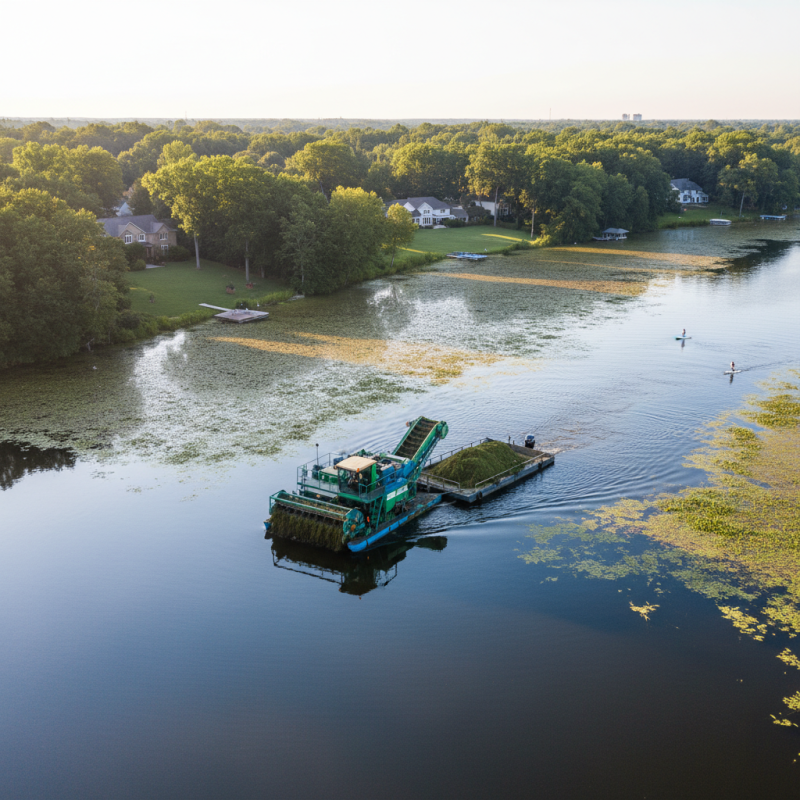
Why Should You Invest in an Aquatic Weed Harvester?

Benefits of Investing in Aquatic Weed Harvesters for Waterbody Management

Investing in an aquatic weed harvester can significantly improve waterbody management. These machines efficiently remove excess aquatic vegetation. By doing so, they help maintain water quality and promote a healthier ecosystem. This reduces the risk of algae blooms, which can be detrimental to marine life and water clarity.

Operators often become more familiar with their local waterways. They gain insight into balancing plant life and wildlife needs. Without adequate management, invasive weeds can take over, choking out native species. An aquatic weed harvester helps address this issue while maintaining recreational areas for fishing and boating.

It's worth noting that the initial investment might seem daunting. However, the long-term benefits often outweigh the costs. Investing wisely can lead to improved aesthetics and increased property values. Continuous monitoring is essential to maintain these benefits over time. As more communities recognize this, interest in aquatic weed harvesters is likely to grow.

Impact of Invasive Aquatic Plants on Local Ecosystems and Economy

Invasive aquatic plants disrupt local ecosystems profoundly. The National Oceanic and Atmospheric Administration (NOAA) reports that these species can choke waterways, reducing native biodiversity. A recent study highlighted that dense mats of invasive plants reduce oxygen levels. This decline affects aquatic life, leading to fish kills and a diminished food supply for local communities.

Furthermore, the economic impact is staggering. The U.S. Environmental Protection Agency estimates that invasive plants cost the economy about $120 billion annually. These costs arise from loss in fishing, boating, and tourism. Local municipalities often spend millions on removal efforts, diverting funds from community needs. In some regions, recreational activities have declined by nearly 30% due to these invaders.

The visibility of the problem is critical. Shallow lakes and rivers become thickly coated with invasive vegetation, making them unsightly. The inconvenience discourages local residents and tourists alike. Reflections on this issue indicate a pressing need for more sustainable management practices. Investing in solutions, like aquatic weed harvesters, could mitigate these challenges significantly.

Case Studies: Successful Aquatic Weed Management with Harvesters

Aquatic weed harvesters play a critical role in managing water bodies. Through various case studies, we see tangible benefits. One successful initiative took place in a popular recreational lake. Excessive weed growth had decreased water clarity and limited swimming areas. In this case, utilizing an aquatic weed harvester improved the situation remarkably.

Local authorities reported increased water quality after removing large amounts of invasive species. Swimmers and boaters enjoyed a revitalized environment. Plant diversity also gained a boost. Removing overgrown vegetation allowed native species to thrive again. The restoration of balance in the ecosystem demonstrated the harvester's effectiveness.

Another striking example occurred in an urban pond. Severe algae blooms were a sign of poor water quality. The introduction of harvesters helped clear out the problematic weeds. Residents noticed a decrease in unpleasant odors and enhanced aquatic life. However, challenges persisted, such as ongoing maintenance and budgeting for regular operations. These experiences reveal the importance of continuous monitoring and adaptation in aquatic weed management. Engaging the community in maintenance efforts has proven valuable, fostering a sense of ownership and responsibility.

Impact of Aquatic Weed Harvesters on Waterbody Health

Cost-Effectiveness of Aquatic Weed Harvesting Compared to Chemical Treatments

Investing in an aquatic weed harvester can be a game-changer for waterway management. Unlike chemical treatments, these machines offer a sustainable approach to controlling invasive plants. They physically remove weeds, promoting better water quality and enhanced marine ecosystems. Harvesters reduce the reliance on chemicals, which can harm aquatic life and disrupt natural habitats.

Cost-effectiveness is a significant advantage of using aquatic weed harvesters. While purchasing a harvester requires upfront investment, ongoing operational costs are often lower than continuous chemical applications. Moreover, chemical treatments can lead to costly regulatory compliance and potential fines. A direct comparison shows that harvesters can yield healthier waterways, avoiding the long-term expenses associated with chemical alternatives.

However, this method is not without its challenges. Maintenance and operational logistics can complicate the process. Ensuring the equipment runs efficiently might require trained personnel, adding to initial costs. Reflection on these factors can lead to more informed decisions when managing aquatic environments. It's crucial to weigh these aspects before making a choice.

Future Trends in Aquatic Weed Harvesting Technology and Sustainability

Aquatic weed harvesting technology is evolving rapidly. Innovative solutions aim to tackle the challenges faced by water bodies clogged with invasive plants. Sustainable practices are at the forefront of this evolution, ensuring that these methods also protect local ecosystems. By using eco-friendly technologies, it's possible to harvest aquatic plants without disrupting marine life.


The future of aquatic weed harvesters looks promising. Automated systems and drones are emerging, making it easier to monitor and manage aquatic weed growth. These advancements could reduce labor costs and enhance efficiency. However, it’s crucial to consider that over-reliance on technology might lead to complacency in lake management. Balancing human intervention and technology is vital.


Research continues to identify the best methods for sustainability in weed harvesting. New techniques focus on understanding plant growth cycles and environmental conditions. Implementing these insights can lead to healthier ecosystems. Still, these approaches require ongoing evaluation to ensure their effectiveness and safety. Continued education and adaptation are necessary for long-term success in aquatic management.

Contact Us
close slider
Scroll To Top