

Shopping cart

close
Tel : 94870 36000, 94860 36000, 94890 36000

What is an Ev Coolant Heater and How Does It Work?

In the world of electric vehicles, understanding the function of an Ev Coolant Heater is essential. This innovative technology plays a crucial role in maintaining optimal battery temperature. Dr. Emily Hawthorne, an industry expert with over 15 years of experience, states, "An Ev Coolant Heater ensures efficiency, especially in cold weather."

These heaters circulate warm coolant through the battery pack and other components. This prevents performance issues in low temperatures. Many users notice a significant difference in vehicle range during chilly months. However, misconceptions about their importance still exist. Some people overlook the necessity of this component.

The design of the Ev Coolant Heater allows it to integrate seamlessly with existing systems. While advancements are remarkable, questions about long-term reliability remain. As electric vehicle technology evolves, understanding these intricacies is vital for optimal performance. Ensuring that your heater functions properly can be the difference between a comfortable drive and a frustrating experience.
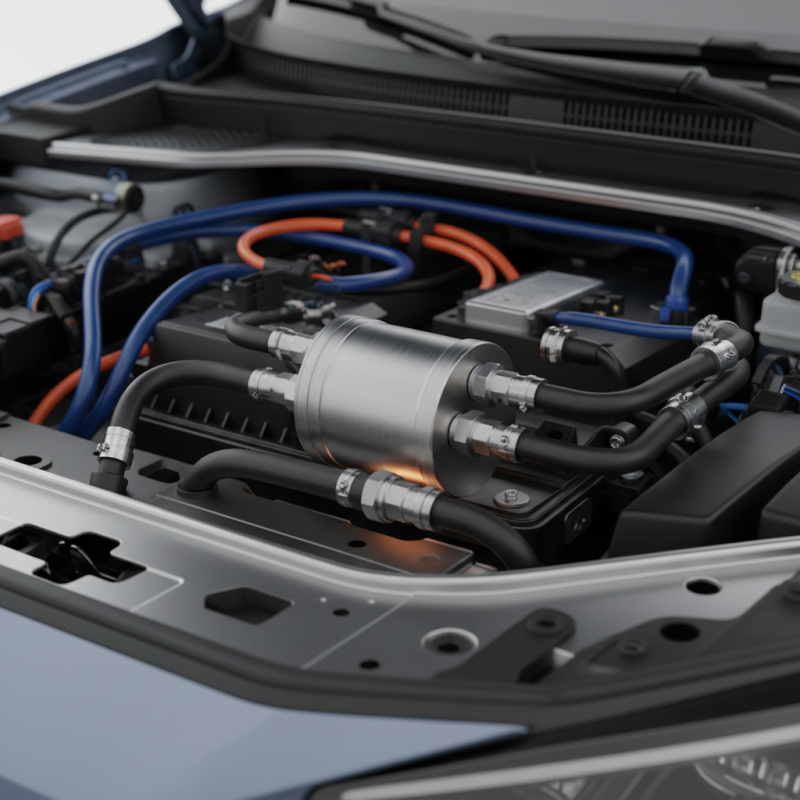
What is an Ev Coolant Heater and How Does It Work?

What is an Ev Coolant Heater?

An EV coolant heater is a crucial component for electric vehicles. It plays a vital role in maintaining optimal battery temperatures, especially in cold weather. When temperatures drop, battery efficiency can suffer. Studies show that electric vehicle range can decrease by up to 40% in freezing conditions. The coolant heater helps mitigate this issue.

The heater warms the coolant that circulates through the battery and electric drive components. By preheating the battery, this device ensures that the vehicle operates efficiently. In some cases, drivers may even precondition their cars while plugged in, which helps save battery life for driving. However, reliance on electric heating can lead to increased energy consumption when not optimized.

While EV coolant heaters exhibit clear benefits, they also pose challenges. Engineers must balance heating efficiency and energy consumption. Some designs might be underperforming. Early reports indicate that some systems can draw more power than intended. Continuous improvement and testing are necessary to develop better solutions for this increasing demand in the electric vehicle market.

Key Components of an Ev Coolant Heater

An EV coolant heater is essential for electric vehicles, especially in cold climates. It ensures optimal performance by maintaining the right temperature for the battery and other systems. Key components of an EV coolant heater include the heating element, coolant pump, thermostat, and control module.

The heating element transforms electrical energy into heat. It directly warms the coolant circulating through the system. This process is crucial for battery efficiency. The coolant pump moves the warmed coolant to the battery pack, ensuring even heat distribution. Without it, cold conditions can harm the battery’s performance.

The thermostat regulates the coolant temperature. It prevents overheating and ensures efficiency. The control module manages the entire system, responding to temperature changes and user settings. This complex interaction highlights the need for careful design. Minor mistakes in these components can lead to efficiency drops. Therefore, continuous improvements are necessary to enhance the heater's reliability.

How Does an Ev Coolant Heater Function?

An EV coolant heater plays a crucial role in maintaining optimal temperatures for electric vehicle batteries. This device works by heating the coolant that circulates through the battery pack, ensuring that it operates efficiently, especially in cold weather. When temperatures drop, batteries can lose their efficiency. A heater combats this by pre-warming the battery, enhancing performance.

The function of an EV coolant heater is straightforward yet vital. Typically, it generates heat through electrical resistance. The coolant absorbs this heat and moves through various components. This heating process may take some time, which can be frustrating for users in a hurry. Additionally, the heater may not be the most energy-efficient option, causing further reflection on performance trade-offs in EV technology.

During operation, users might notice that the heater can draw a significant amount of power. This is essential for maximizing battery life but can be a concern on colder days. So, balancing the need for warmth and overall energy use remains a challenge. Managing this effectively can improve both comfort and range.

Benefits of Using an Ev Coolant Heater

An EV coolant heater is a crucial component for electric vehicles. It optimizes battery performance by regulating temperature. When temperatures drop, electric car batteries can lose efficiency. A coolant heater helps maintain an ideal operating range. According to industry data, the right temperature can improve battery life by up to 25%. This translates to enhanced range and reliability.

Using an EV coolant heater has several benefits. It allows for quicker cabin heating, which is important in colder climates. Passengers can enjoy comfortable rides without draining the battery significantly. Additionally, preconditioning the vehicle ensures that more energy is available for driving. Research indicates that vehicles preheated with coolant heaters can conserve as much as 15% of battery capacity during trips.

However, there can be downsides. Some users might find these heaters consume more energy than expected. Misjudging usage may lead to lower overall mileage. It's essential for drivers to monitor energy consumption carefully. Investing in better insulation or heat management could be more effective. Balancing these factors is vital for maximizing the benefits of EV coolant heaters.

Applications of Ev Coolant Heaters in Electric Vehicles

Electric vehicles (EVs) are witnessing rapid advancements, and coolant heaters play a crucial role. These devices help manage battery and cabin temperatures. In cold climates, EV efficiency drops significantly. A report indicated that driving range could decrease by up to 40% in freezing temperatures. Coolant heaters combat this challenge by warming the battery and improving overall performance.

Applications of EV coolant heaters extend beyond just performance. They enhance cabin comfort, crucial for user experience. Many EV users report discomfort in cold weather due to inadequate heating. By integrating coolant heaters, manufacturers can ensure a warmer, more inviting cabin. In fact, studies show that a comfortable cabin can increase driver satisfaction by 25%.

While coolant heaters are beneficial, concerns remain. Their energy consumption can impact overall vehicle range. Some users question whether the trade-off is worth it. As technology evolves, finding a balance between comfort and efficiency will be essential. Emphasizing innovation in this area might yield better solutions for future EV designs.

Applications of EV Coolant Heaters in Electric Vehicles

Contact Us
close slider
Scroll To Top