

In the realm of fire safety, Roll Down Fire Doors are crucial. These doors act as barriers against smoke and flames. When installed properly, they can save lives and protect property. However, using Roll Down Fire Doors effectively requires more than mere installation.
Regular maintenance is essential. Neglecting this can lead to malfunctions during a fire. Ensure that the doors are tested frequently to confirm their reliability. Furthermore, staff training is equally important. Everyone in the building should know how to operate these doors.
Placement is another key factor. It's essential to locate Roll Down Fire Doors in high-risk areas. Poor placement can hinder their effectiveness. Reflecting on these aspects is vital for enhancing fire safety. Awareness and preparedness can make all the difference in an emergency.
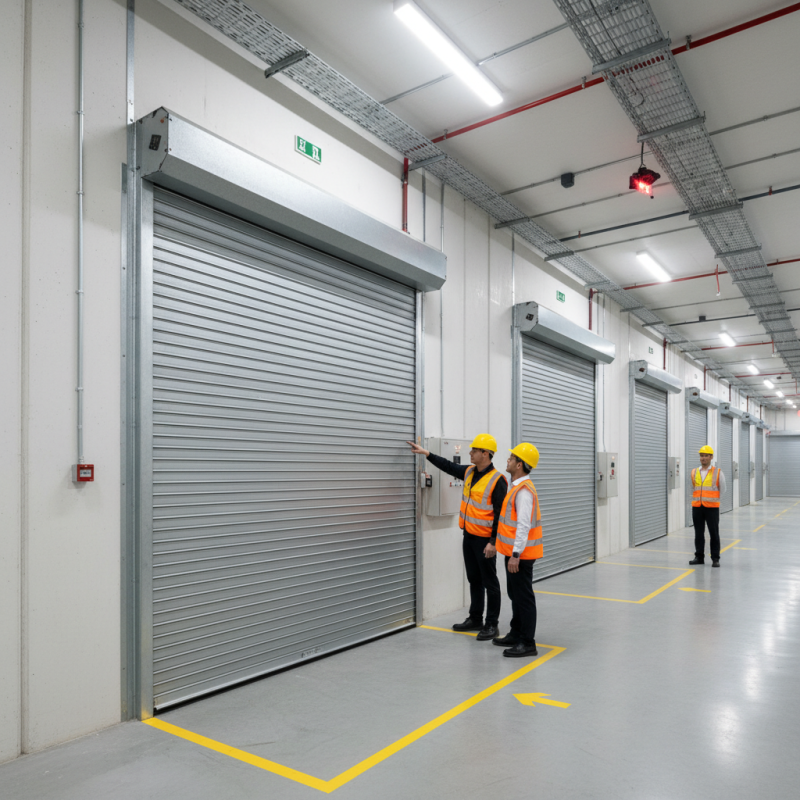
Roll down fire doors play a crucial role in fire safety. They act as barriers to contain smoke and flames, protecting lives and property. These doors are typically made of reinforced steel or other fire-resistant materials. When closed, they prevent fire from spreading, giving occupants time to evacuate.
Tips for using roll down fire doors effectively:
Regular maintenance is essential. Check door functionality every month. Ensure that the closing mechanisms operate smoothly. A door that does not close properly can be dangerous. Consider frequent training for staff on how to use these doors. Familiarity enhances safety awareness during emergencies.
Additionally, avoid obstructions around the doors. Items left in the way can hinder access. Ensure signage clearly indicates the door's purpose. Reflection on these practices can lead to better preparedness in emergencies. Remember, preparation saves lives. Fire doors are a vital aspect of a comprehensive safety plan. Keep them in good working order.
Roll down fire doors play a crucial role in enhancing safety during emergencies. These doors are designed to automatically close during a fire, creating a barrier that contains flames and smoke. The material used in these doors, often steel, is essential. Steel can withstand high temperatures, maintaining its integrity longer than other materials. This durability is vital for protecting escape routes.
Another key feature is the automatic closing mechanism. This system is triggered by smoke or heat detectors. However, routine checks are necessary. Sometimes, these mechanisms can fail due to wear and tear. Regular maintenance is crucial to ensure they function effectively in an emergency. Additionally, proper installation is essential. Poorly installed doors may not close completely.
Visibility is also important. Fire doors often come with clear signage indicating their function. Yet, it’s easy to overlook them in busy environments. Keeping pathways clear can help. Awareness and training of staff can enhance the effectiveness of these safety measures. Even small changes can make a big difference in emergency situations.
This chart illustrates the effectiveness of different features of roll down fire doors in ensuring safety. The data showcases the user satisfaction ratings for key features such as construction quality, ease of use, and fire resistance.
When installing roll down fire doors, ensuring proper placement is critical. Identify strategic locations where smoke and fire barriers are most needed. These doors should be easily accessible and installed in areas with potential fire hazards. Consider the traffic flow; they should not obstruct pathways or entrances. The installation angle should allow for smooth operation during emergencies.
Regular maintenance is key to effective use. Test the doors periodically to ensure they close properly. Dust and debris can impede operation, so clean them regularly. User training is also essential. Staff should know how to operate the doors efficiently in emergencies. A lack of training can lead to confusion during critical moments. Review and adjust your plan as needed based on the outcome of drills and real-life scenarios.
Open communication among team members about the fire safety plan is necessary for overall safety.
Maintaining roll down fire doors is crucial. Regular inspections prevent malfunctions. Check for rust or damage. These issues can hinder performance. Clean the tracks and guide rails frequently. Dirt can accumulate, causing doors to jam.
Lubrication is essential for smooth operation. Use appropriate lubricants to avoid build-up. Inspect the motor and wiring for wear. Faulty components can cause unexpected failures. Training staff on proper usage is vital. They should understand the doors' functions and limitations.
Document all maintenance activities. This helps identify patterns over time. However, often records are incomplete or missing. Reflect on how this affects safety. A routine maintenance schedule is beneficial. Yet, some facilities still neglect it. Prioritize routine checks to ensure efficiency. Regular attention can save costs and enhance safety.
Incorporating fire doors into your safety protocol is crucial for compliance with safety regulations. Research from the National Fire Protection Association (NFPA) indicates that properly installed and maintained fire doors can reduce property damage by up to 60%. Understanding standards such as NFPA 80 is essential for ensuring that your fire doors remain viable.
Regular inspections are key. Fire doors must close fully and latch without manual intervention. A malfunctioning door compromises security. While it may seem minor, a gap of just an inch can diminish the fire door's effectiveness. Maintain proper clearance and test the doors frequently.
Tips: Schedule routine checks. Look for signs of wear, like scratches or gaps. Update your training for all staff on emergency procedures involving these doors.
Document your inspections. This helps maintain compliance with regulations and can offer crucial data during audits. Remember, effective fire door management requires diligence. Addressing small issues promptly can prevent larger problems later. Don't overlook the importance of keeping fire doors in top condition.
| Dimension | Description | Compliance Standards | Maintenance Frequency |
|---|---|---|---|
| Material | Typically steel or aluminum for durability | NFPA 80, UL 1784 | Annually |
| Installation Location | Applicable in high-risk areas such as warehouses or parking garages | IBC, NFPA 101 | Semi-Annually |
| Functionality Test | Ensure door closes and seals properly | NFPA 80, Local fire codes | Monthly |
| Emergency Access | Provide clear access routes around the door | ADA, NFPA 101 | Ongoing |
| Signage | Use clear signage to indicate door function | OSHA, Local codes | Annually |

