

Shopping cart

close
Tel : 94870 36000, 94860 36000, 94890 36000

What is a Dough Sheeting Production Line and How It Works?

The Dough Sheeting Production Line is crucial in the baking and food manufacturing industries. It automates the process of producing uniform dough sheets, significantly enhancing efficiency and consistency. According to a market analysis by Grand View Research, the global dough processing equipment market is projected to reach USD 5.2 billion by 2026, reflecting the rising demand for automated production lines.

Industry expert John Smith, a leading engineer in dough production technology, emphasizes, “A well-designed Dough Sheeting Production Line can improve output quality and reduce labor costs.” This statement highlights the importance of investing in advanced production systems. Despite these advancements, challenges remain. Not all lines maintain consistent performance under varying conditions.

Proper maintenance and calibration are essential for optimal function. Without these, production quality can suffer. The Dough Sheeting Production Line exemplifies both the promise and pitfalls of modern industrial equipment, demanding continuous improvement and adaptability to ingredient variations and production demands.
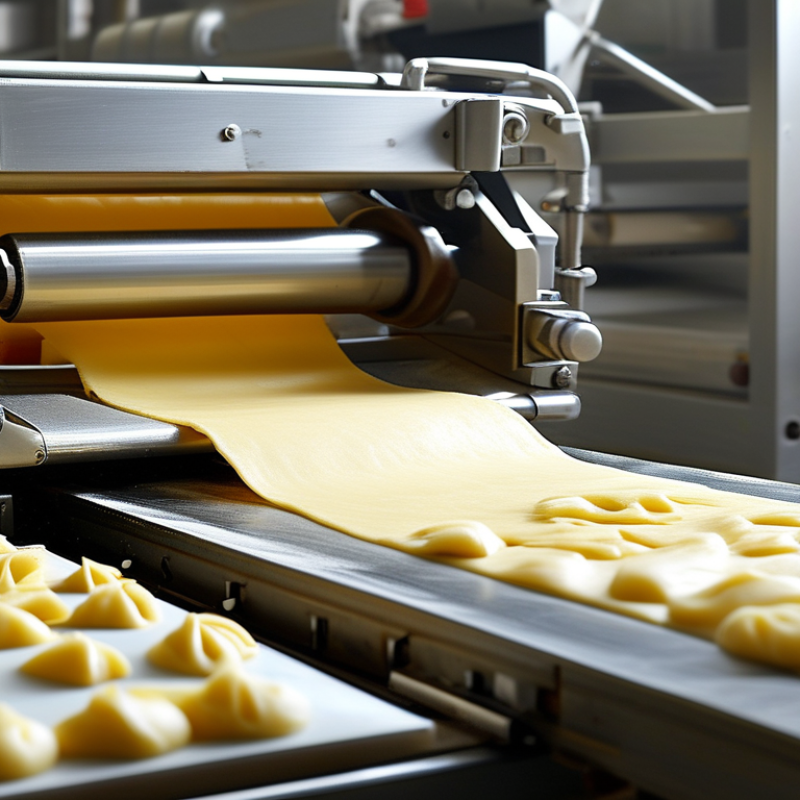
What is a Dough Sheeting Production Line and How It Works?

Definition and Purpose of a Dough Sheeting Production Line

A dough sheeting production line is a crucial component in the baking and food processing industry. It primarily functions to create uniform sheets of dough that are essential in various products like pastries, pizzas, and bread. The main purpose is to streamline production and ensure consistency in thickness. This uniformity allows for even baking, which is vital for achieving the desired texture and flavor.

The production line typically includes several key machines. First, a dough mixer prepares the dough, ensuring proper hydration. Next, the sheeter rolls the dough to the desired thickness. It uses rollers that apply equal pressure on the dough. Operators must monitor this closely to avoid inconsistencies. The final stage often includes cutting equipment, which shapes the dough for specific baking needs.

While automated systems improve efficiency, human insights are valuable. Operators need to adjust settings based on dough type and hydration levels. Even experienced technicians must remain vigilant. Small changes in temperature or humidity can impact the final product. Continuous training ensures that staff adapt to such variables, maintaining quality without compromising speed.

Key Components of a Dough Sheeting Production Line

A dough sheeting production line is vital in the baking industry. It streamlines the process of creating uniform dough sheets for various products, like pastries and bread. Understanding its key components helps optimize production efficiency.

Rolling machines are essential for this line. They reduce dough thickness consistently. Operators adjust settings to achieve desired results. Even minor inaccuracies can lead to inconsistent products. Proper calibration of these machines is crucial.

Conveyors transport dough between different stages. They ensure a smooth flow from mixing to sheeting. However, jams can occur, disrupting the workflow. Regular maintenance helps avoid these issues. The sheeting station compresses the dough evenly, creating a uniform texture. Skeletal adjustments may be necessary, depending on the dough composition. Each element interacts closely, making maintenance and precision critical for quality output.

Step-by-Step Process of Dough Production and Sheeting

The dough sheeting production line is an essential system in the baking industry. It streamlines the process of dough production and prepares it for various baking applications. Understanding this process can enhance efficiency and quality in production.

The production begins with mixing the dough ingredients. Flour, water, yeast, and salt are blended to form a uniform mixture. This step requires precision, as varying ingredient ratios can lead to inconsistencies. After mixing, the dough undergoes fermentation, allowing it to rise. This is a crucial process; if the dough ferments too long, it can develop unwanted flavors.

Once fermentation is complete, the dough is placed on the sheeting line. The line comprises rollers that gradually flatten the dough to the desired thickness. Operators must focus on consistency. Too much pressure can tear the dough, while too little can result in uneven sheeting. The final sheet of dough is cut into specific shapes.

Despite automation, human oversight remains important. Each stage requires careful attention to detail to ensure high-quality output.

Applications of Dough Sheeting in the Food Industry

Dough sheeting plays a vital role in the food industry, particularly in baked goods. According to industry reports, nearly 60% of baked products utilize dough sheeting processes. This method ensures consistent thickness and texture, which is essential for products like pastries and pizzas.

Automation in dough sheeting lines significantly boosts production efficiency. These machines help reduce labor costs and minimize human error. A recent study highlighted that companies employing these systems saw a 30% increase in output. However, there can be challenges in maintaining quality control. Dough temperature and moisture content must be monitored closely to avoid inconsistencies.

Moreover, the versatility of dough sheeting allows its application across various sectors, including fast food and gourmet baking. It caters to both large-scale producers and artisanal bakers. Still, some bakers may struggle with adapting to automated systems while preserving their unique recipes. Balancing efficiency and tradition requires careful consideration and adaptation.

Advantages of Using a Dough Sheeting Production Line

Dough sheeting production lines have become essential in modern food processing. These lines automate the process of rolling, cutting, and shaping dough. One significant advantage of using such production lines is efficiency. According to the Food Processing Industry Report, these systems can increase production rates by up to 40% compared to manual methods.

Another key benefit is consistency. Automated systems ensure uniform thickness and quality in dough sheets. This is critical for products like pastries and pizzas. Poor consistency can lead to uneven cooking and customer dissatisfaction. An industry study indicates that 72% of bakers prioritize uniformity in their dough products for better end results.

Cost-effectiveness is also a major plus. By reducing labor costs and minimizing waste, businesses can enhance profitability. However, investing in a high-quality sheeting line requires careful budgeting. Smaller operations may struggle with this initial investment. Ultimately, while the advantages are clear, careful planning is vital to harness the full potential of dough sheeting production lines.

What is a Dough Sheeting Production Line and How It Works? - Advantages of Using a Dough Sheeting Production Line

Feature Description Advantages
Automation Automated processes for mixing, kneading, and sheeting dough. Reduces labor costs and increases production efficiency.
Consistency Uniform thickness and quality of dough sheets. Ensures quality control and improves finished product quality.
Speed High-speed production capabilities. Increases overall output and meets higher demand.
Flexibility Can accommodate various types of dough for different products. Allows for product diversification and innovation.
Maintenance Requires regular maintenance for optimal performance. Prolongs the life of the equipment and ensures consistent production.
Contact Us
close slider
Scroll To Top