

In recent years, the demand for high-quality custom metal parts has surged globally. A report from Grand View Research indicates that the global custom metal fabrication market was valued at $56 billion in 2022. This growth underscores the importance of reliable Custom Metal Parts Providers in China. These providers play a crucial role in meeting the diverse needs of industries such as automotive, aerospace, and electronics.
China has positioned itself as a leader in the metal parts manufacturing sector. It offers competitive pricing and advanced technology. However, selecting the right provider can be challenging. Many buyers face issues such as quality inconsistencies and long lead times. These challenges call for careful consideration and research.
When choosing a Custom Metal Parts Provider in China, it’s vital to assess their expertise and quality control measures. A provider’s reputation is fundamental. Buyers should be aware that not all providers meet international standards. Thus, understanding the market landscape and conducting thorough due diligence is essential to ensure the best outcomes.
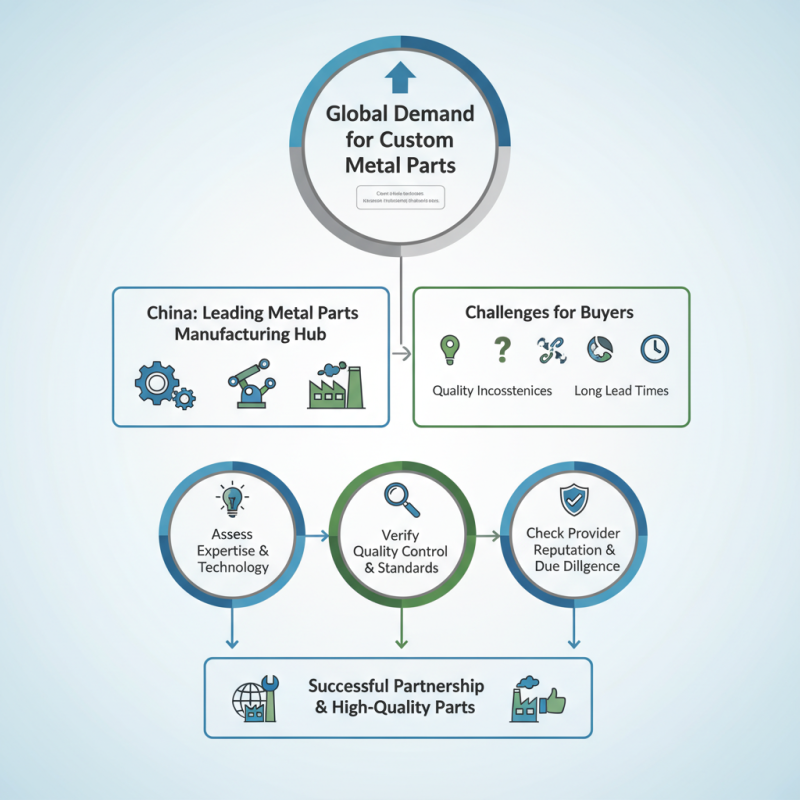
China has established itself as a key player in the global custom metal parts manufacturing industry. The country’s advanced infrastructure and skilled workforce contribute greatly to the efficiency of production. Many factories utilize state-of-the-art technology to ensure precision and quality in every piece. This has made China a top choice for global buyers seeking reliable custom metal components.
However, not all manufacturers meet the same standard. It's crucial for buyers to conduct thorough research before choosing a supplier. Quality control processes vary greatly among manufacturers. Some may lack the certification needed to guarantee quality and safety. Thus, buyers must be discerning when assessing potential partners. They need to look for established companies with a track record of excellence.
The production environment can also be inconsistent. Many factories face challenges like raw material shortages and fluctuating labor costs. These factors can impact pricing and lead times. Buyers should be ready to adapt to changes and communicate openly with their suppliers. Building strong relationships can help mitigate such issues and ensure a smoother manufacturing process.
Sourcing metal parts from China presents several key advantages for global buyers. As reported by industry experts, approximately 38% of companies worldwide are increasingly sourcing components from China. This trend highlights the growing dependence on China's manufacturing capabilities.
One prominent advantage is cost efficiency. According to a recent report by the Boston Consulting Group, manufacturing costs in China can be up to 30% lower than in Western countries. This significant difference enables buyers to save on production expenses. However, lower costs do not always guarantee better quality. Buyers must engage in thorough quality control to ensure that they receive the proper specifications.
Delivery time and scalability are other critical factors. The Chinese metal parts industry has established extensive supply chains that support quick turnaround times. A study by McKinsey indicates that 70% of manufacturers in China can meet tight deadlines with effective logistics. Yet, the challenge lies in consistent communication. This is vital for avoiding misunderstandings and ensuring seamless operations.
| Dimension | Description | Data |
|---|---|---|
| Material Types | Common materials used for metal parts. | Aluminum, Steel, Brass, Stainless Steel, Copper |
| Manufacturing Processes | Key processes typically employed in production. | CNC Machining, Die Casting, Stamping, Welding |
| Lead Time | Average time from order to delivery. | 2-4 weeks |
| Quality Certifications | Certifications held by manufacturers. | ISO 9001, IATF 16949 |
| Cost Efficiency | Factors contributing to lower manufacturing costs. | Labor cost, Material sourcing, Scale of production |
| Shipping Options | Available shipping methods for international buyers. | Air Freight, Sea Freight, Express Shipping |
China's custom metal parts industry is thriving, catering to global buyers. In 2022, this market was valued at approximately $120 billion. Many Chinese manufacturers excel in precision engineering and cost efficiency. They offer tailored solutions for various sectors, including automotive, aerospace, and electronics.
A key player in this industry is the rise of advanced technologies. Companies implement CNC machining and additive manufacturing techniques. According to a recent industry report, 70% of metal parts produced in China are made using these modern processes. This enhances accuracy and reduces production time. However, quality control remains a challenge, as inconsistent standards can lead to defects.
Moreover, the shift towards sustainable practices is notable. Reports indicate that 30% of manufacturers have adopted eco-friendly materials. Despite progress, the industry faces obstacles in meeting international regulatory standards. Ensuring reliable sourcing and ethical practices is essential for long-term growth. Increased transparency is needed in supply chains, as buyers seek trustworthy partners.
China has become a prominent player in the global metal manufacturing industry. Many buyers seek custom metal parts that meet stringent quality standards. Understanding these standards is crucial. Chinese manufacturers often comply with international norms like ISO 9001. This certification ensures consistent quality and effective management systems.
However, quality assurance isn't just about certifications. It involves rigorous testing and inspections at various production stages. Buyers should request detailed reports on these processes. Transparency is vital. Some manufacturers may have excellent certifications but lack solid operational practices. It’s essential to verify the supplier's expertise through customer reviews and case studies.
The challenge lies in assessing the reliability of these suppliers. Not every company maintains high standards. Prospective buyers must conduct thorough due diligence. Engaging directly with manufacturers and asking specific questions can reveal much. Building trust can lead to better partnerships. Establishing a reliable relationship with metal parts suppliers can enhance overall production quality.
The global metal parts supply chain continues to evolve. Buyers seek greater flexibility and efficiency. Custom metal parts are in high demand across various industries. Companies are adapting to changing market needs. Staying ahead requires understanding emerging trends.
One key trend is automation. Advanced machinery improves precision and reduces production times. However, reliance on automation can lead to oversights. Human expertise is still vital. Balancing technology and craftsmanship is crucial.
Tip: Regularly assess your manufacturing processes for potential improvements. Keep an eye on supply chain disruptions. Maintaining diverse supplier relationships can mitigate risks. Embracing sustainability is another important trend. Many buyers prefer eco-friendly practices. This shift can enhance brand reputation and customer loyalty. Consider integrating sustainable methods into your production.
While streamlining operations, do not compromise quality. It's essential to hold high standards. Occasionally, challenges arise, leading to delays or deficiencies. Addressing these issues promptly can strengthen supplier relationships.

