

Selecting the right rubber air hose is essential for maximizing efficiency. In industries like construction and automotive, air hoses play a critical role. A recent industry report highlighted that improper hose selection can lead to a 30% decrease in performance.
When choosing a rubber air hose, consider factors like pressure ratings and flexibility. For example, hoses that can withstand higher temperatures often last longer. Yet, some users overlook this, leading to premature wear. Additionally, the length and diameter impact airflow, which is crucial for tools' functionality.
Many users also face challenges with kinks and twists, which can disrupt workflows. An effective rubber air hose should be lightweight yet durable. However, quality often comes at a higher cost, prompting users to reflect on budget versus performance. Making the right choice can prevent issues and enhance productivity in various applications.
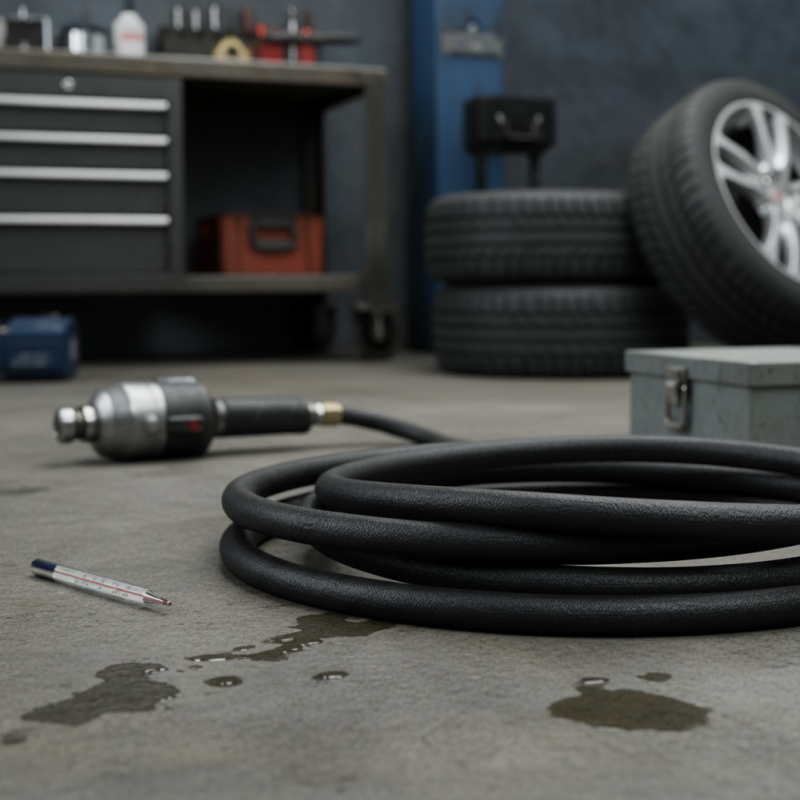
When selecting a rubber air hose, understanding the available types is crucial. There are primarily three types: standard, premium, and specialty hoses. Standard rubber air hoses are economical and suitable for everyday tasks. These hoses often handle pressures up to 300 PSI and temperatures from -20°F to 150°F. However, they might lack durability for heavy-duty applications.
Premium hoses are designed for increased longevity. They often resist abrasion and are made with reinforced materials. According to the Rubber Manufacturers Association, premium options can last up to 50% longer than standard types under rigorous conditions. Specialty hoses cater to unique environmental requirements, such as extreme temperatures or chemical exposure. These hoses meet specific industry standards and offer tailored performance that general options may not provide.
It’s essential to reflect on your application when choosing. A suitable air hose impacts efficiency and safety. A mismatched hose can lead to leaks or bursts. Data from industry reports suggest that 27% of users experience failures due to improper hose selection. Always consider the working environment, pressure demands, and whether flexibility or rigidity serves your needs better.
When selecting a rubber air hose, consider the hose diameter. A larger diameter allows for greater airflow, but may add weight. If you’re working in tight spaces, a smaller hose might be more appropriate. Always think about your specific tasks and choose accordingly.
Next, look at the hose length. Longer hoses provide flexibility, but they can increase pressure loss. Shorter hoses are easier to manage. However, they might limit your range. Finding the right balance is essential.
Lastly, consider the working pressure of the hose. Each hose has a maximum pressure rating. Exceeding this can lead to premature wear or failure. Check if the hose can handle the demands of your tools. Make sure it fits your project needs. Don’t overlook these factors; they can significantly influence your performance.
| Factor | Description | Considerations |
|---|---|---|
| Diameter | The thickness of the hose's inner diameter affects airflow and pressure. | Choose based on the tools you will use and required air volume. |
| Length | The distance from the air compressor to the tool can affect performance. | Longer hoses may lead to pressure losses; select length based on your workspace. |
| Max PSI Rating | The maximum pressure the hose can withstand. | Ensure it meets or exceeds the requirements of your tools. |
| Material Quality | Quality of rubber affects durability and flexibility. | Look for reinforced hoses to prevent kinks and abrasions. |
| Temperature Ratings | The operating temperature range for the hose. | Consider the environment where you will use the hose; ensure it can handle temperature fluctuations. |
| Flexibility | The ease with which the hose can bend without kinking. | Choose a hose that remains flexible in cold conditions if necessary. |
| Couplings & Fittings | The connection ends of the hose can differ in style and quality. | Ensure compatibility with your tools and equipment. |
When choosing the right rubber air hose, length and diameter are key. The hose length affects mobility and workflow. A longer hose offers flexibility, but it can reduce pressure. If you’re working in a confined space, a shorter hose might be better. Evaluate your workspace. Consider how far you need to reach. It’s often a balancing act.
The diameter of the hose influences airflow and pressure. A larger diameter can deliver more air, making it ideal for heavy-duty tasks. However, it can be bulkier and harder to handle. On the other hand, a smaller diameter hose is lighter and easier to maneuver. Yet, it may not be suitable for high-demand applications. Think about what you need. Sometimes, compromises are unavoidable.
Test different sizes to find what fits best. It’s okay to make a mistake in choosing. You may find a 3/8 inch hose more suitable than a 1/4 inch one for your air tools. Experimenting helps. Rubber hoses vary, and personal experience guides better choices. Don’t rush the decision; each project requires different specifications.
When choosing a rubber air hose, durability and temperature resistance are key factors. Rubber hoses can vary significantly in their lifespan. Industry data shows that high-quality rubber air hoses can last up to five years even under heavy use, while lower-grade options may only last one year. This highlights the importance of selecting the right material for your specific conditions.
Temperature fluctuations can affect both performance and longevity. Most rubber air hoses operate efficiently within a range of -40°F to 190°F. However, prolonged exposure to extreme temperatures can lead to degradation. Studies indicate that hoses exposed to intense heat can lose elasticity, making them prone to cracks. Likewise, cold temperatures can render hoses stiff, causing them to kink and reduce airflow. Therefore, consider the environment where the hose will be used.
Choosing a rubber air hose isn't just about price. Investing in a durable, temperature-resistant hose can save time and replacement costs. With proper assessment, you can ensure the hose meets your needs without frequent failures. Understanding these factors helps in making an informed decision, ultimately enhancing your work efficiency.
When choosing a rubber air hose, price and quality are crucial factors. The market offers many options, but not all fit every purpose. A cheaper hose might tempt you, but it could come with hidden costs. Look for durability and flexibility. A quality rubber air hose lasts longer and withstands tough conditions. A poor choice may lead to leaks or frequent replacements.
Consider the thickness and material of the hose. Thicker hoses tend to be more robust but can be heavier. Lightweight options are easier to handle but may not endure heavy-duty use. Watch for bend radius too. A hose that kinks easily can disrupt your work. It’s essential to strike a balance between quality and cost.
Reading customer reviews can help but be cautious. Some feedback may be biased. Analyze the common points made by users. Have they flagged durability issues? Or perhaps, issues with connectors? Real-user experiences can reveal potential pitfalls. Ultimately, make an informed choice that fits both your budget and your specific needs.

