

Shopping cart

close
Tel : 94870 36000, 94860 36000, 94890 36000

Why Choose Stainless Screws for Your Next Project?

In the fast-evolving world of construction and manufacturing, choosing the right materials is crucial. Stainless Screws stand out due to their durability and resistance to corrosion. Expert John Miller, a leading figure in fastening solutions, emphasizes, "Using stainless screws is essential for long-lasting results." His insights highlight the importance of material selection in project success.

Many project managers overlook specifics like screw material, leading to costly repairs later. Stainless screws offer strength and longevity, which can prevent future issues. However, they are sometimes more expensive than alternatives. This can make decision-making challenging for some. It's crucial to weigh immediate costs against future savings.

Additionally, while stainless screws promise reliability, they may not be suitable for every application. Understanding project needs is vital. Solutions should fit both the technical requirements and budgetary constraints. As you plan your next project, consider the long-term advantages of incorporating stainless screws. Their benefits often outweigh the initial investment.
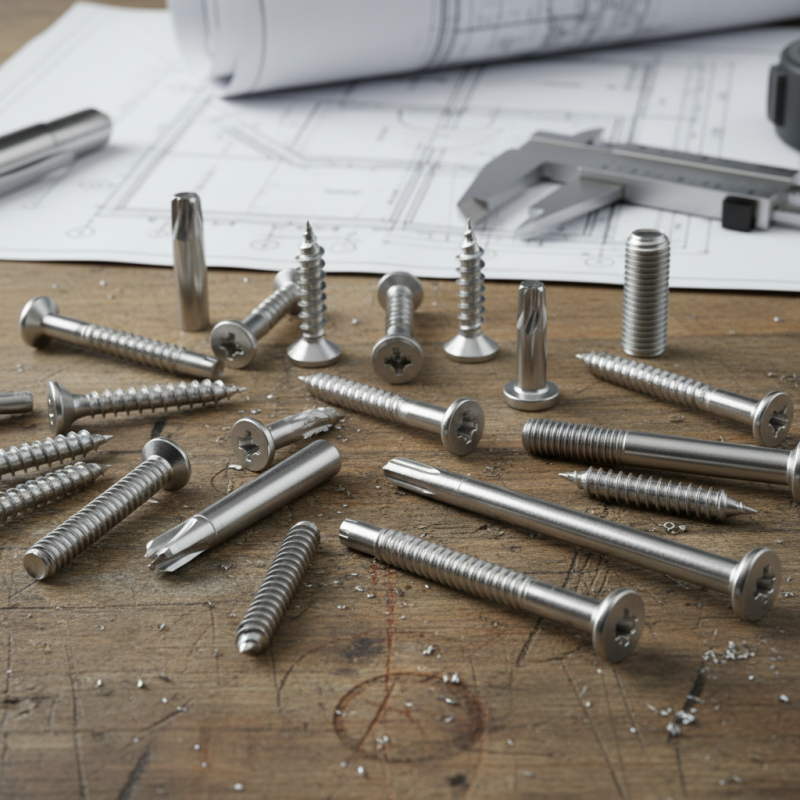
Why Choose Stainless Screws for Your Next Project?

Advantages of Using Stainless Screws in Various Applications

When considering fasteners for your next project, stainless screws stand out for several reasons. Their resistance to corrosion makes them ideal for outdoor and marine applications. Whether you are working on furniture, fixtures, or industrial equipment, stainless screws can maintain structural integrity over time. Their durability reduces the need for frequent replacements.

Stainless screws also offer aesthetic appeal. They have a clean, polished look that enhances any project. This makes them a popular choice for visible areas in construction and design. However, it's essential to note that not all stainless screws are created equally. The type of stainless steel used can affect performance. Certain grades work best in specific environments. Understanding these nuances is crucial.

Moreover, stainless screws can be more expensive than their carbon steel counterparts. This cost may lead some to question their value. Yet, the long-term benefits often outweigh the initial expense. Projects that require minimal maintenance will greatly benefit from using high-quality stainless screws. In the end, careful consideration of material choice matters greatly in engineering and construction.

Why Choose Stainless Screws for Your Next Project? - Advantages of Using Stainless Screws in Various Applications

Application Advantage Material Benefits Cost Consideration
Marine Applications Corrosion Resistance Stainless steel can withstand saltwater exposure. Higher initial cost but reduced maintenance.
Construction Durability Resistant to tensile stress and impact. Cost-effective over the lifespan of the structure.
Food Processing Hygienic Non-porous surface reduces bacteria growth. Initial higher cost, but compliance with health standards is critical.
Automotive Temperature Resistance Maintains mechanical properties in extreme temperatures. Value in durability offsets higher purchase price.
Interior Design Aesthetic Appeal Modern and sleek appearance complements various décor styles. Investing in quality can enhance property value.

Types of Stainless Screws and Their Unique Benefits

When it comes to construction and DIY projects, stainless screws offer several advantages. One common type is the 18-8 stainless screw. This type is known for its strong resistance to rust and corrosion. It's perfect for outdoor applications. It maintains its integrity in various weather conditions, ensuring long-lasting performance.

Another type is the 316 stainless screw. It's more resilient in harsh environments, particularly near saltwater. This makes it ideal for marine applications. Users often appreciate its durability. However, it comes at a higher cost. It's essential to weigh the benefits against your project budget when considering this option.

Self-tapping stainless screws are also noteworthy. They eliminate the need for pre-drilling. This feature can save time during installation. Yet, their fastener strength may not match that of traditional screws. Careful planning is crucial to avoid issues. Ultimately, choosing the right type of stainless screw can greatly influence your project's success. Understanding the unique properties of each screw type is key.

Factors to Consider When Choosing Stainless Screws

When selecting stainless screws, several factors exert significant influence. Corrosion resistance is crucial, especially in outdoor projects. Stainless steel, particularly grades 304 and 316, provides high resistance to rust and chemical damage. According to the Fastener Industry Coalition, about 33% of fastener failures are due to corrosion, highlighting the importance of material selection.

Another essential factor is load-bearing capacity. Stainless screws are designed to withstand tension and shear forces. For instance, the American Society for Testing and Materials (ASTM) outlines specific tensile strength requirements for various grades of stainless screws. This guarantees that the screws can support structural integrity in demanding applications. Additionally, factors like head type and thread design can greatly affect performance.

Cost-effectiveness also plays a vital role. While stainless screws may be pricier upfront, their longevity can lead to lower maintenance costs. A study by the Fabricators and Manufacturers Association found that using durable materials can reduce replacement frequency by 50%. However, users must balance initial costs with long-term benefits. Ultimately, weighing these factors carefully will aid in choosing the right stainless screws for your project.

Cost-Effectiveness of Stainless Screws Over Time

Choosing stainless screws for projects can significantly impact long-term costs. While stainless screws might appear pricier upfront, they offer durability that justifies the initial investment. According to a 2022 report from the Fastener Quality Institute, stainless screws outperform traditional fasteners in environments with high corrosion risks. Their lifespan can exceed ten years compared to about three years for mild steel screws, leading to fewer replacements and lower maintenance costs.

Stainless steel screws resist rust and environmental wear. This can lead to lower costs over time, as replacement and repair expenses decrease. A study from the American Institute of Steel Construction reveals that using corrosion-resistant materials can reduce lifecycle costs by 30% or more. This sustainability aspect aligns with industry standards, offering reliable performance in various applications.

Tip: When selecting resistant fasteners, consider the environment and application. Evaluate if the extra investment makes sense for your needs. Always assess performance requirements and specifications before making a choice. Choosing wisely can save money and hassle in the long run.

Common Misconceptions About Stainless Screws in Construction

Stainless screws are often misunderstood in the construction industry. Many believe that they are not strong enough for heavy-duty projects. This misconception can lead to costly mistakes. In reality, stainless screws offer exceptional strength and are designed for durability. Their resistance to corrosion makes them ideal for outdoor applications.

Another common belief is that stainless screws are too expensive. While their upfront cost may be higher than other materials, the long-term benefits outweigh this. Using stainless screws can reduce maintenance and replacement costs over time. Additionally, they offer a longer service life, making them a worthy investment.

Some professionals also worry that stainless screws are too difficult to work with. However, they are versatile and easy to install. Many types are available, allowing for flexibility in various construction scenarios. Embracing stainless screws can improve project outcomes while dispelling myths. Understanding their true value is essential for making informed decisions.

Contact Us
close slider
Scroll To Top