How to Choose the Right DC Charging Connector for Your Needs?
Choosing the right Dc Charging Connector is essential for electric vehicle (EV) owners. With various options available, understanding the specific needs can be overwhelming. Different connectors serve different purposes. Some connectors are suited for fast charging, while others prioritize compatibility with various EV models.
When considering a DC charging connector, look into power output and compatibility. Different EVs require different levels of charging power. Selecting a connector that cannot deliver sufficient power may slow down your charging experience. Additionally, not all connectors fit every vehicle model, leading to potential frustrations.
While each option has its benefits, remember that personal requirements play a big role in the decision. Reliability of the connector influences the overall charging experience. A subpar choice could create unnecessary barriers to effective charging. Hence, reflect on current and future needs to make an informed decision.
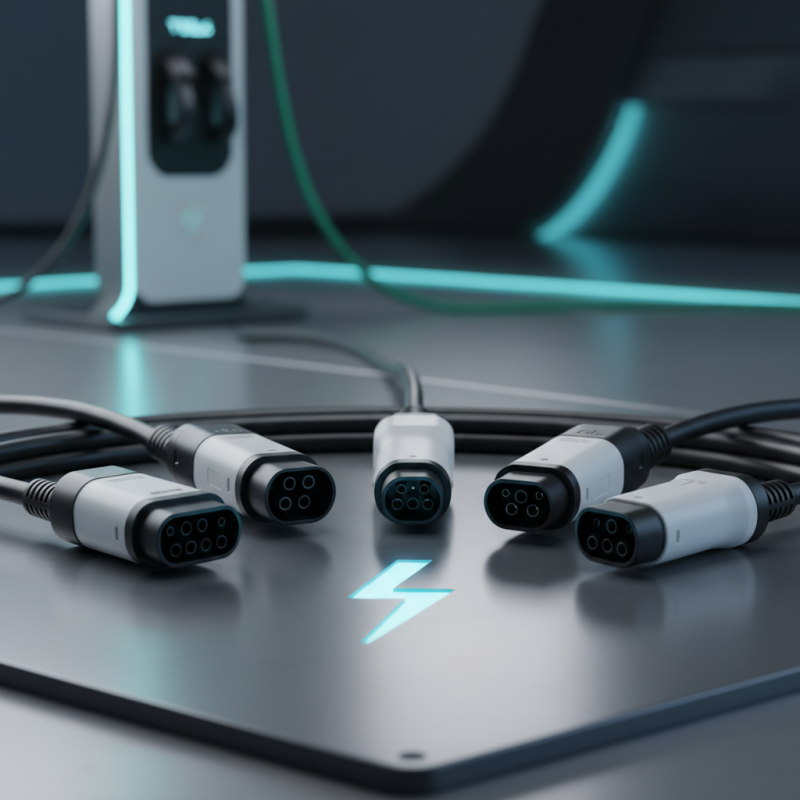
Understanding the Basics of DC Charging Connectors
When considering DC charging connectors, understanding their types and specifications is crucial. DC charging connectors are important for electric vehicles (EVs), as they directly affect charging speed and compatibility. The most common types include CHAdeMO, CCS, and Tesla connectors. Each connector has different power capabilities, with CCS supporting up to 350 kW, which reduces charging times significantly for EVs. According to a report by the International Energy Agency, the number of DC fast chargers worldwide is projected to reach 1.5 million by 2030, highlighting the need for compatible and efficient connectors.
When selecting a connector, it is essential to assess your vehicle type and local infrastructure. Not all charging stations support every connector, and incompatibility can lead to inconveniences. Research indicates that around 70% of charging points primarily offer CCS connectors. However, some regions still favor CHAdeMO, especially in Japan. Future developments in charging technology need consideration as well. Emerging standards may render some connectors obsolete, prompting a more cautious approach while investing in charging infrastructure.
Understanding the specifics of DC charging connectors is not just about compatibility; it’s also about future-proofing your investment. Users should consider charging patterns, accessibility, and the potential for upgrades. It’s important to remain informed as the industry evolves. With changing technologies, what works today may need reevaluation tomorrow. The landscape changes rapidly, but informed choices can lead to better charging solutions.
DC Charging Connector Types and Their Usage
Types of DC Charging Connectors and Their Applications
When selecting a DC charging connector, understanding the various types is crucial. The primary types are CHAdeMO, CCS, and Tesla connectors. According to a 2022 report by the International Energy Agency (IEA), CHAdeMO is prevalent in Japan, while CCS dominates the European and North American markets. Tesla’s Supercharger network remains a significant player, particularly for Tesla vehicles. Each connector has unique specifications and power levels, influencing vehicle compatibility and charging speeds.
For those seeking efficiency, the CCS connector supports rapid charging, reaching up to 350 kW in some installations. It’s essential to check local charging infrastructure; not all regions have a balanced supply of various connectors. The presence of multiple standards can be confusing for users. It raises questions about future vehicle purchases and charging accessibility.
Tip: Before making a decision, assess your vehicle type and local charging stations. This can help avoid frustration later. Remember, the evolution of technologies might lead to new connector types. Staying informed can save you from obsolescence.
Consider the environmental impact of your choice. Charging networks are expanding, yet not all connectors support renewable energy sources. Researching local grid conditions can offer insights into sustainable options. This detail often gets overlooked, but it can influence your overall charging experience.
Evaluating Power Requirements for Your Charging Needs
Choosing the right DC charging connector depends heavily on your specific power requirements. According to a report by the International Energy Agency, the power output of charging stations can vary significantly, ranging from 50 kW to over 350 kW. This range influences charging speed and compatibility with electric vehicles. Understanding these power levels is crucial for efficient charging solutions.
Evaluating your charging needs involves assessing the type of vehicle. A standard electric car may only require up to 40 kW, while larger electric buses might need 150 kW or more. There’s also the consideration of future vehicle upgrades. Many users underestimate how quickly technology evolves. Selecting a connector that meets current and future demands can save costs in the long run.
Compatibility with existing infrastructure is another factor. A study by the U.S. Department of Energy highlights challenges in interoperability between different connectors and charging systems. The right choice hinges on your environment, whether it be public charging stations or private installations. Balancing these needs can feel overwhelming, but informed decisions yield significant long-term benefits.
Compatibility with Electric Vehicle Models and Standards
When choosing a DC charging connector, compatibility is key. Different electric vehicle models require specific connectors. Knowing the standards used in your region is essential. Some vehicles use CCS, while others may opt for CHAdeMO. This impacts your charging experience directly.
The connector type can affect charging speed and convenience. For instance, CCS connectors are widely supported by many European and American vehicles. On the other hand, CHAdeMO is prevalent among certain Asian models. Think about your vehicle's brand and model. This will guide your decision and may save time at charging stations.
Reflect on your daily needs. If you often travel long distances, faster connectors could be advantageous. However, not all stations support every type. This mismatch may lead to frustration when planning trips. Researching beforehand is crucial for a smooth experience. Understanding these aspects ensures better choices for your electric vehicle journey.
Future Trends in DC Charging Connector Technology
The future of DC charging connectors is evolving rapidly. As electric vehicles become more mainstream, the need for efficient and compatible charging solutions increases. Emerging trends indicate that flexibility and standards will play crucial roles. Enhanced interoperability among different vehicles and charging stations is essential. This can lead to a reduction in range anxiety for users.
Innovation is at the forefront of connector technology. There is a push for faster charging times. New designs promise compactness while increasing power capacity. However, not all manufacturers adhere to the same standards. This disparity can confuse consumers. It's important to research compatibility before investing in any charging solution.
Tips: Consider the type of vehicle you own. Ensure the connector type aligns with your specific needs. Research local charging infrastructure as well. Not all connectors are universally compatible. Future-proofing your choice will save time and hassle. Choose wisely based on your lifestyle and location.