

Shopping cart

close
Tel : 94870 36000, 94860 36000, 94890 36000

How to Choose the Best EV Charger for Your Electric Car?

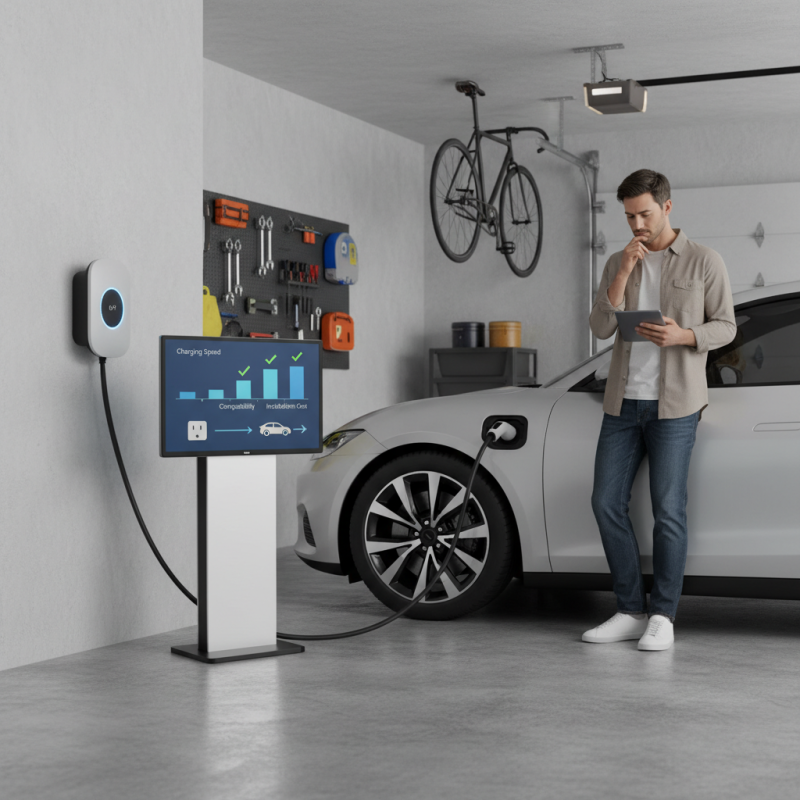
Choosing the right Ev Charger Car for your electric vehicle can be challenging. There are many models available today, each with unique features. You must consider charging speed, compatibility, and installation costs.

Different EV chargers offer varying power outputs. Level 1 chargers can work from a standard outlet. They charge slowly but are easy to use. Level 2 chargers are faster and more efficient. They require special installation but can significantly decrease charging time.

Understanding these differences is crucial. Charging at home may influence your everyday routine. You might need a charger that complements your lifestyle. Reflecting on your needs will help in making a better choice. Selecting the right EV charger can enhance your experience with electric cars.
How to Choose the Best EV Charger for Your Electric Car?

Understanding Different Types of EV Chargers: Level 1, Level 2, and DC Fast Charging

When choosing an EV charger, it’s important to understand the types available. Level 1 chargers use a standard household outlet. They are the slowest, adding only a few miles of range per hour. Ideal for overnight charging, they may not meet everyone's needs if you drive frequently. Not everyone has a garage, making this option less reliable.

Level 2 chargers require a dedicated 240-volt outlet. They offer faster charging, providing 10 to 60 miles of range per hour. This type is better suited for home installations. However, it may involve higher installation costs. Consider your driving habits before making a commitment.

DC Fast Charging is the quickest option, adding significant miles of range rapidly. These chargers are usually found at public charging stations. They can provide 80% charge in about 30 minutes. However, they are not typically used at home. They come with some limitations, including higher costs and less availability.

Tips: Assess your daily driving distance. If you don’t drive far, a Level 1 charger might suffice. For frequent long trips, invest in Level 2 or DC Fast Chargers. Also, think about charging station locations if you travel often. This planning can save time and reduce stress on the road.

How to Choose the Best EV Charger for Your Electric Car?

Charger Type Charging Speed (Miles/hour) Typical Voltage Installation Complexity Cost (Approx.)
Level 1 Charger 4-5 miles/hour 120V Very Easy $300 - $600
Level 2 Charger 10-60 miles/hour 240V Moderate $500 - $1,200
DC Fast Charger 60-100 miles/30 minutes 480V Complex $10,000 - $40,000

Evaluating Charging Speed and Power Output for Your Electric Car Needs

When selecting the best EV charger, charging speed and power output are crucial factors. Modern electric vehicles typically support charging rates ranging from 3.7 kW to 350 kW. A Level 1 charger can deliver 1.4 to 1.9 kW, while Level 2 chargers can provide up to 19.2 kW. Fast chargers, often found at public stations or highway stops, usually deliver 50 kW or more. Choosing the right charger means understanding your driving habits and how often you charge at home versus on the go.

Consider that home charging is often slower. For instance, a 7.2 kW Level 2 charger can recharge most EVs overnight, providing 25 to 30 miles of range for every hour charging. However, this slower speed can be an issue if you have limited overnight charging time. According to the Department of Energy, 80% of EV owners primarily use home charging. If you frequently drive long distances, investing in a higher power output charger can significantly reduce downtime on the road.

Before buying, evaluate connectivity options as well. Not all chargers are created equal. Some may not fit your vehicle’s charging port. Moreover, installation costs can vary widely based on your home setup and local power infrastructure. The average installation ranges from $500 to $1,500. Reflecting on these details can help make a more informed decision, aligning your EV charging with your lifestyle.

Considerations for Installation Location and Setup of EV Chargers

Choosing the right location for your EV charger is crucial. Consider proximity to your parking space. An ideal spot reduces cable length. It makes charging more efficient. Think about the weather, too. Outdoor chargers need protection from elements. A well-placed charger can save time and hassle.

Next, assess available power sources. Check if your home’s electrical system can handle the charger. Upgrading might be necessary. Ensure that the cable management is tidy. Messy cables can be unsightly and hazardous. Additionally, think about the usability for family members or guests. They should feel comfortable using it.

Sometimes, installation can be tricky. You may encounter unexpected issues, like limited access to an outlet. Don’t rush the process. Take time to plan for future needs. Technology is evolving. Your charging needs might change down the line. It’s better to reflect before making a final decision.

Assessing Smart Features and Compatibility with Your Electric Vehicle

When selecting an EV charger, it’s crucial to assess its smart features and compatibility with your electric vehicle. Statistics show that nearly 70% of electric vehicle owners prefer chargers with Wi-Fi capabilities. These smart chargers allow for remote operation through mobile apps. Features like charging scheduling can optimize energy costs, especially during off-peak hours.

Compatibility is another vital factor. Not all chargers work with every electric vehicle. The SAE J1772 standard is widely accepted for level 2 chargers in North America but check your vehicle's specifications. Industry reports indicate that 40% of users face compatibility issues. This can lead to frustration and increased costs. Doing a bit of research can save time and money.

Some drivers prioritize fast charging, while others focus on convenience and ease of use. This divergence creates a need for customized solutions. Many chargers have adjustable settings that may seem unnecessary at first. Yet, these features can enhance long-term usability. Drivers should carefully consider their unique requirements before making a purchase.

EV Charger Compatibility and Smart Features Assessment

Cost Analysis: Initial Investment and Long-Term Charging Expenses

Choosing the right EV charger is crucial for electric car owners. When considering costs, two main factors arise: the initial investment and long-term expenses. The average cost of a Level 2 home charger ranges from $400 to $1,200. Installation fees can add another $300 to $1,000, depending on your home’s electrical setup.

Long-term charging costs vary widely. On average, charging an electric vehicle at home costs about $0.13 per kWh. If you charge a car with a range of 250 miles using 60 kWh of energy, it adds up to around $7.80 per full charge. With a daily commute of 30 miles, the monthly expense hits about $58, which still is cheaper than gasoline. Some studies suggest that electric vehicle owners save up to 60% on fuel costs compared to their gasoline counterparts.

However, not every scenario is straightforward. Utility rates fluctuate, and some areas may impose demand charges that increase monthly bills. Moreover, home charging isn't always viable. Public charging stations can present varying costs, often charging more than home electricity rates. As electric vehicles become more common, understanding these cost dynamics is essential for making informed decisions about charger investments.

Contact Us
close slider
Scroll To Top