

Choosing a High Power Electric Motorcycle in 2026 requires more than comparing peak wattage. A large number on a showroom label can feel impressive, yet it may hide weak thermal control, limited range, or poor braking performance. The International Energy Agency’s Global EV Outlook 2024 identifies electric two- and three-wheelers as the most electrified road-transport segment by volume. That growth creates more options, but also more confusing specifications.
Real-world performance begins with usable power. Check continuous motor output, battery voltage, peak current, and cooling design. A motorcycle climbing a steep road with two riders needs sustained performance, not a brief acceleration figure. Battery capacity matters too. A 15-kilowatt-hour pack may deliver strong range, but its weight can affect cornering and braking. Watch the details.
During a practical test, notice throttle smoothness, regenerative braking, suspension response, and display accuracy. A quiet motor can make speed feel slower than it is. That is easy to underestimate. Compare claimed range with independent testing, rider weight, temperature, terrain, and average speed. The European Environment Agency and IEA both emphasize that real-world energy use varies with conditions and vehicle efficiency.
This guide also considers charging time, battery warranty, replacement support, software reliability, tire quality, and local compliance requirements. Reports from BloombergNEF and McKinsey’s automotive research show continuing improvements in battery costs and electric-mobility adoption, but technology is not the whole decision. Some buyers will prioritize acceleration, while others need dependable commuting. The better choice may be less dramatic. It should remain stable, predictable, and serviceable after the excitement fades.
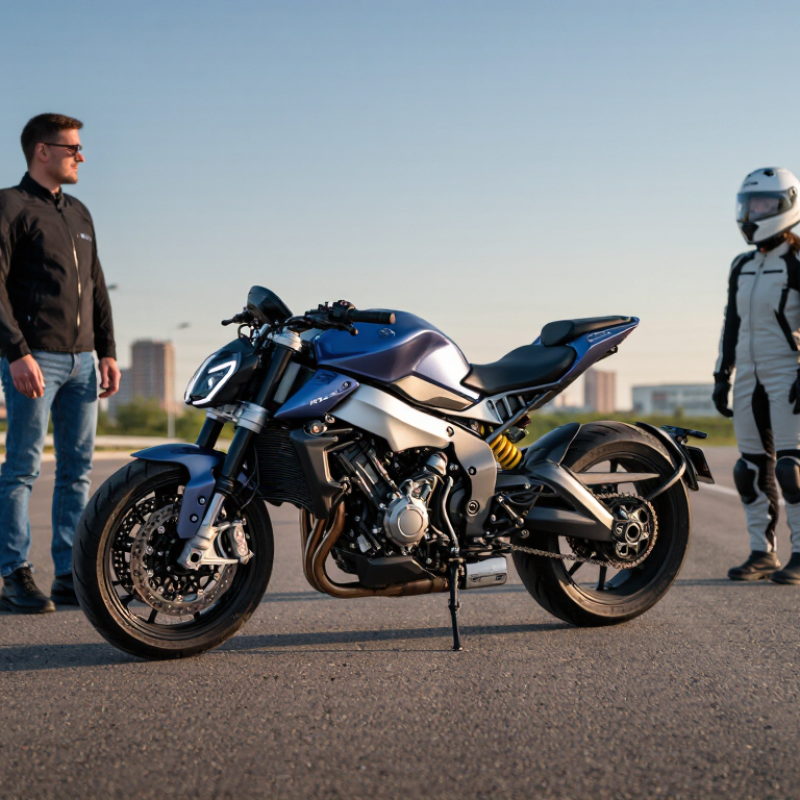
Before comparing high power electric motorcycles in 2026, define how you will actually ride. A daily commuter needs predictable acceleration, comfortable ergonomics, and reliable charging more than extreme top speed. A weekend rider may value stronger hill performance, longer range, and stable handling at highway speeds.
Write down your usual route, average distance, road surface, weather, and passenger needs. Be specific. A five-mile urban trip feels very different from a sixty-mile ride with steep climbs.
During a test ride, pay attention to more than peak power. Ask whether the motorcycle delivers smooth torque at low speeds and remains stable during hard acceleration. Check the continuous power rating, battery capacity, charging time, and estimated range at your real cruising speed. Manufacturers often publish ideal range figures. Wind, cold temperatures, hills, and heavy loads can reduce them noticeably. That gap deserves careful thought.
Safety and control should shape your expectations. Look for predictable braking, adjustable suspension, effective traction management, bright lighting, and clear instrument readings. Confirm that the motorcycle meets local road regulations and that charging equipment suits your home.
I once focused too heavily on acceleration and underestimated seat comfort after one hour. That was a useful mistake.
A powerful machine can feel impressive in a short ride, yet tiring during everyday use. Reliability also matters, so examine warranty coverage, service access, battery protection, and software support before choosing.
How to Choose a High Power Electric Motorcycle in 2026?
Compare motor power, torque, speed, and acceleration before trusting a specification sheet. Peak power shows the motor’s maximum output, not its everyday performance. Continuous power matters more during long climbs, heavy traffic, or sustained highway riding. A 25 kW motor can feel weak if battery voltage drops under load. IEA’s Global EV Outlook 2024 reported that electric two- and three-wheelers represented more than half of sales in China during 2023. That growth makes careful comparison increasingly important.
Torque feels different from power. Instant torque can produce sharp launches, but gearing and traction control decide how much reaches the road. Check whether the manufacturer lists motor torque or wheel torque. They are not identical. Acceleration figures should include rider weight, battery charge, and test conditions. A claimed zero-to-60 time may use a lightweight rider and a warm battery. Test it loaded. My first comparison was too simplistic.
Top speed also requires energy. Higher speeds create much greater aerodynamic resistance, so range can fall quickly above 100 km/h. BloombergNEF’s 2024 battery price survey recorded an average lithium-ion pack price of 115 dollars per kWh, but lower costs do not automatically mean better performance. Look for battery voltage, usable capacity, thermal management, and repeated acceleration results. Peak figures impress. Consistency matters more. A short test ride cannot reveal everything, and that limitation deserves honest attention.
A practical comparison of common high-power electric motorcycle categories and the specifications that matter most.
| Motorcycle Category | Peak Motor Power | Peak Motor Torque | Top Speed | 0–60 mph Acceleration | Battery Capacity | Typical Real-World Range | Estimated Motorcycle Weight | Best Use |
|---|---|---|---|---|---|---|---|---|
| High-Power Commuter | 15–25 kW Approximately 20–34 hp | 60–110 Nm Peak motor torque | 100–130 km/h 62–81 mph | 4.5–6.5 seconds | 10–16 kWh | 160–240 km 100–150 miles | 170–230 kg 375–507 lb | Daily commuting, urban riding, and occasional highway travel |
| Sport Performance | 30–60 kW Approximately 40–80 hp | 100–220 Nm Peak motor torque | 160–220 km/h 99–137 mph | 2.8–4.0 seconds | 15–22 kWh | 150–260 km 93–162 miles | 190–260 kg 419–573 lb | Fast acceleration, sport riding, and high-speed road use |
| Premium Hyper-Performance | 70–120 kW Approximately 94–161 hp | 180–300+ Nm Peak motor torque | 220–300 km/h 137–186 mph | Under 3.0 seconds | 18–25 kWh | 130–230 km 81–143 miles | 210–290 kg 463–639 lb | Track days, maximum acceleration, and premium performance riding |
| Long-Range Touring | 25–50 kW Approximately 34–67 hp | 90–180 Nm Peak motor torque | 130–180 km/h 81–112 mph | 3.8–5.5 seconds | 20–30 kWh | 250–400 km 155–249 miles | 220–310 kg 485–683 lb | Long-distance travel, two-up riding, and luggage carrying |
| Adventure / Dual-Sport | 25–55 kW Approximately 34–74 hp | 100–200 Nm Peak motor torque | 130–190 km/h 81–118 mph | 3.5–5.5 seconds | 15–25 kWh | 180–320 km 112–199 miles | 200–290 kg 441–639 lb | Mixed pavement, gravel roads, touring, and moderate off-road riding |
The values shown are realistic typical ranges for high-power electric motorcycles available or expected in the 2026 market. Manufacturer test methods, gearing, software limits, and test conditions can produce different results.
Choosing a high-power electric motorcycle in 2026 starts with usable battery capacity, not the largest number on a specification sheet. A 15 kWh pack may deliver strong performance, but hills, cold weather, passenger weight, and frequent acceleration reduce practical range. Compare nominal capacity with usable capacity, because the battery system reserves energy for protection. Ask for test conditions, including speed, temperature, rider load, and terrain. Numbers need context. During a test ride, observe the range estimate after ten kilometers on mixed roads. It is imperfect, yet more revealing than a showroom promise.
Range should cover your normal route with a reserve of 15 to 20 percent. If your commute is 90 kilometers daily, a claimed 160-kilometer range may feel tight in winter. Check whether home charging needs a standard outlet, a dedicated circuit, or a faster installed charger. Confirm charging time from 20 to 80 percent, not only from empty. Examine charger compatibility, cable length, weather protection, and nearby public charging access. A large battery is less useful if charging takes all night. That happened to me once.
Tips: Record five weekday trips before choosing. Note distance, average speed, temperature, and remaining battery. Leave room for detours. Ask a qualified technician to verify warranty terms, thermal management, and replacement procedures. Do not judge range from one short ride; wind can quietly change everything.
Choosing a high-power electric motorcycle in 2026 starts with its frame, not its advertised speed. A rigid aluminum or steel frame should feel stable during hard acceleration and quick direction changes. Check welds, steering-head alignment, and battery protection underneath. A low-mounted battery can reduce the motorcycle’s center of gravity, but it may also limit ground clearance. I have found that impressive specifications can hide awkward weight distribution.
Suspension needs adjustment range, not just a large travel figure. Look for preload adjustment at minimum, with rebound control preferred for heavier riders. The brakes should include strong hydraulic calipers, large rotors, and an effective anti-lock braking system. IIHS reports that motorcycle helmets reduce fatal injury risk by about 37% and brain injury risk by about 69%. NHTSA’s 2022 Traffic Safety Facts also shows that motorcyclists remain greatly overrepresented in traffic deaths compared with passenger-vehicle occupants. Power demands restraint. A smaller throttle opening can still produce a sharp launch, especially on wet asphalt.
Tips: Sit on the motorcycle with both feet near the ground. Compress the suspension beside the seller. Test the front brake gently, then firmly. Check whether safety systems remain active in every riding mode. Read the service schedule and battery protection details. I would not trust a glossy display alone. Range estimates may shrink in cold weather, strong wind, or sustained high-speed riding. That detail is easy to overlook.
Estimated total stopping distance at different speeds, combining a 1.5-second rider reaction time with braking at 0.8g on dry asphalt.
Selection checklist: Verify a rigid frame with a certified load rating, adjustable suspension matched to rider and battery weight, independent front and rear hydraulic brakes with ABS, high-load-rated tires, effective lighting, protective riding gear, and a clear battery safety system. Distances are physics-based estimates, not certification results.
Choosing a high-power electric motorcycle in 2026 starts with legal classification, not acceleration. Check motor output, maximum speed, type approval, registration, insurance, and license requirements. Rules differ sharply between countries and even local authorities. The UNECE vehicle framework separates powered two-wheelers by technical categories, but local adoption can vary. Ask for written confirmation from the transport authority. A showroom promise is not enough. Keep the paperwork.
Maintenance is usually simpler, yet it is not free. The U.S. Department of Energy notes that electric vehicles avoid oil changes, exhaust servicing, and many engine components. Consumer Reports estimated lifetime maintenance and repair costs for electric cars at roughly half those of combustion cars. That figure does not directly represent motorcycles. My first budget calculation was too optimistic. Tires, brake pads, suspension seals, charging equipment, and crash damage can still become expensive. High output may also increase tire wear.
Battery health deserves careful attention. Geotab’s 2024 battery study reported average degradation near 2.3% annually across thousands of electric vehicles, although motorcycle data remains limited. Request usable capacity, warranty conditions, charging limits, and replacement pricing. The International Energy Agency reports continuing growth in electric two- and three-wheelers, but resale markets remain less mature than car markets. Long-term value depends on service access, software support, parts availability, and battery condition. A lower purchase price can hide weaker resale demand. Check local used listings before paying.

