

Shopping cart

close
Tel : 94870 36000, 94860 36000, 94890 36000

How to Choose a Cargo Electric Bike in 2026?

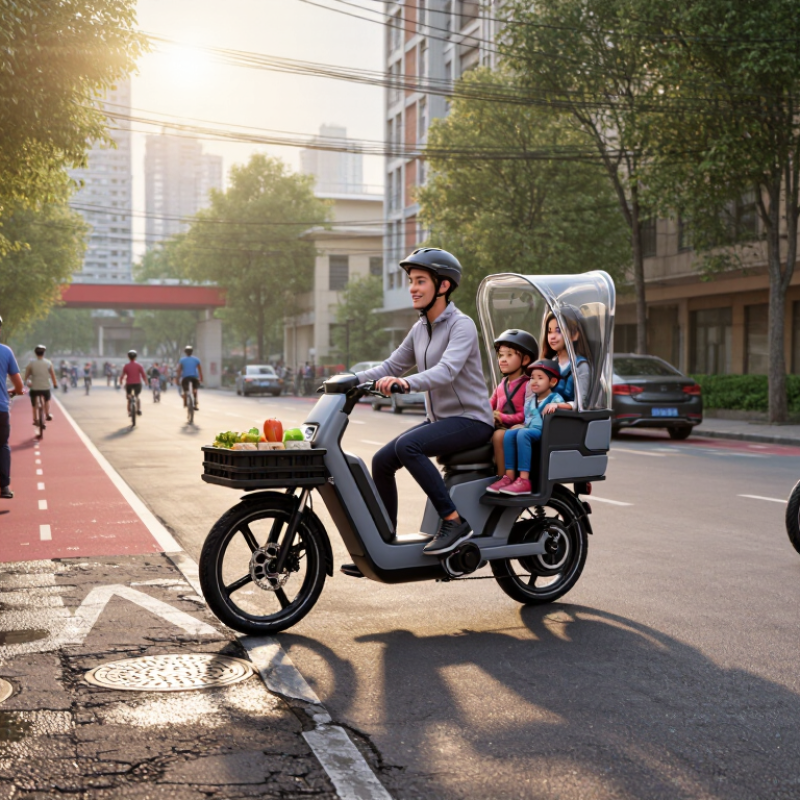
Choosing a cargo electric bike in 2026 is not simply a matter of comparing prices and motor power. It is a practical decision about daily routes, family needs, storage space, and long-term maintenance. A parent carrying two children may need a stable frame, strong brakes, and weather protection. A small business owner may value a longer range, modular cargo space, and dependable service support. Your steepest hill matters more than a glossy product photograph.

This guide examines the details experienced riders often notice after months of use. We will consider battery capacity, payload limits, motor behavior, braking performance, tire design, comfort, security, and repair access. We will also look at real riding conditions, such as narrow cycle lanes, wet streets, uneven pavement, and crowded school entrances. A cargo electric bike can feel wonderfully practical, but it can also become heavy, awkward, and expensive when poorly matched to its rider. That is easy to overlook.

Manufacturer claims deserve careful checking. Range estimates may change sharply with cargo weight, temperature, hills, and riding speed. A perfect checklist cannot predict every household’s habits. Still, a clear comparison can reduce expensive mistakes. Before choosing, measure your storage area, weigh your typical load, and test the bike with realistic cargo. Small details often decide comfort and safety. Reflect honestly. The best model may not be the fastest or newest one, but the bike you can control confidently every week.
How to Choose a Cargo Electric Bike in 2026?

Define Your Cargo Electric Bike Needs and Daily Transport Tasks

Choosing a cargo electric bike starts with your daily transport tasks, not its advertised motor power. Write down what you carry, how often, and where each trip begins. Groceries, work tools, school bags, or parcels need different loading spaces. Measure the doorway. Check your lift, storage area, and charging access before comparing models.

Weight matters more than many first-time buyers expect. Add the rider, cargo, locks, rain covers, and child seats when estimating the total load. A long rear rack may suit two small bags, while a front box can handle bulky groceries more securely. Test the route. Steep streets, rough lanes, tight corners, and frequent stops will affect comfort and battery use. Record your usual distance, including the return trip.

I once underestimated how awkward a fully loaded bike felt outside a narrow shop entrance. That mistake changed my checklist. Now I test braking, steering, parking, and mounting with realistic weight whenever possible. Look for stable stands, strong lights, weather protection, and controls you can operate with gloves. Battery range should include cold weather, hills, and extra weight, not only laboratory figures. A smaller frame may be easier to store, but it can limit cargo capacity. Be honest about your compromises. Your ideal cargo electric bike should make repeated tasks simpler, safer, and less tiring.

Choose the Right Cargo Bike Design and Carrying Capacity

How to Choose a Cargo Electric Bike in 2026?

Choosing the right cargo bike design starts with your daily route. A longtail carries children or panniers behind the rider, keeping the front wheel easy to steer. A front-loader places cargo between the rider and front wheel, improving visibility during careful loading. It can feel wider in narrow lanes. Measure your storage space, doorway, lift, and usual parking area before buying.

Capacity means more than the advertised number. Add the rider, passengers, bags, locks, and weather equipment together. Then compare that total with the manufacturer’s approved payload rating. Check separate limits for the frame, rear rack, front box, wheels, and child seats. A low center of gravity usually improves stability, especially when carrying heavy groceries. Hydraulic disc brakes, strong kickstands, and bright lights also matter on steep or crowded routes.

I once underestimated how awkward a fully loaded bike felt while turning slowly. The problem was not the motor; the load was too high and poorly balanced. Test ride with realistic weight, if possible. Use sandbags or water containers, secured safely, to imitate your normal cargo. Ask a qualified dealer or bicycle technician to inspect frame fit, brake performance, tire clearance, and load compatibility. Read the service schedule carefully. A bike that carries more may also demand more frequent checks. My preference is a manageable design with unused capacity, rather than the largest model that barely fits daily life.

Compare Motor Power, Battery Range, and Charging Requirements

When choosing a cargo electric bike in 2026, compare motor power with your actual workload. A 250–500W nominal motor usually handles flat commutes and moderate cargo. Steep hills require stronger, sustained assistance. Peak wattage sounds impressive, but it may last only briefly. I test bikes with a loaded box and a steep local street. This reveals more than showroom acceleration. Check local power limits before buying.

Battery range depends on watt-hours, not advertised distance. Multiply voltage by amp-hours to estimate capacity. A 48V, 15Ah battery stores about 720Wh before riding losses. Heavy cargo, cold weather, hills, low tire pressure, and frequent starts reduce usable range. Range estimates can mislead. Leave 20–30% reserve for detours and battery aging. Measure your regular route, then compare it with this conservative figure.

Charging requirements deserve equal attention. A standard charger may need four to eight hours for a full charge. The exact time depends on battery size and charger output. Check whether the battery is removable. A basement outlet may be easier than parking beside a socket. Charge indoors only when the battery and charger instructions allow it. Keep the setup dry and away from flammable materials. I once planned around an overnight charge and forgot a late return. That mistake exposed a weakness in my routine. A second approved charging location may matter more than extra motor power.

Evaluate Safety Features, Comfort, Handling, and Rider Fit

Choosing a Cargo Electric Bike in 2026

A safe cargo electric bike should feel predictable, even when fully loaded. Check the frame, brakes, lights, reflectors, and wheel security before riding. Strong hydraulic or mechanical disc brakes can help control extra weight, especially on wet streets. Test the parking stand too. A loaded bike should not tip while children or groceries are being placed inside.

Comfort matters during ordinary trips, not only showroom rides. Look for an adjustable saddle, relaxed handlebar position, and enough room for your knees. The passenger area should provide stable footrests, secure handholds, and weather protection when needed. During test rides, ride over a rough surface and stop several times. Small discomfort becomes serious after thirty minutes. I once ignored a narrow saddle because the bike looked impressive. That shortcut was a mistake.

Handling and rider fit deserve equal attention. Keep both feet close to the ground when stopping. The frame should not feel too tall or stretched. Turn slowly, then practice tighter corners with an empty load. Add weight gradually, because steering can change quickly. A heavier front box may make the handlebar resist turning. A rear-heavy setup may sway during acceleration. Do not assume confidence after one short ride.

Tips: Measure your storage space before buying. Check the maximum load in the manual. Bring your usual helmet and shoes for fitting. Ask a trained shop technician to adjust the saddle, controls, and brake reach. If possible, test the bike with a realistic load, not an empty basket.

Check Legal Rules, Maintenance Needs, Warranty, and Total Cost

How to Choose a Cargo Electric Bike in 2026?

Legal details should shape your choice before the first test ride. Rules may limit motor power, assisted speed, width, lighting, or passenger use. Check your local transport authority for current requirements. Some areas also require helmets, reflectors, registration, or specific safety equipment. A bike that seems practical may not be permitted on every route. Keep the official guidance saved with your purchase documents.

Maintenance affects daily reliability more than attractive specifications. Inspect brakes, tires, chains, cables, and electrical connections regularly. Heavy loads increase wear, especially on wheels and brake pads. Ask a qualified technician about service intervals and replacement costs. I once underestimated tire wear after carrying groceries every day. That mistake made my budget unrealistic. Battery care matters too. Store it away from extreme heat and freezing conditions. Ask whether replacement batteries remain available after several years.

Read the warranty before paying, not after a fault appears. Check coverage periods for the frame, motor, battery, charger, and display. Confirm whether labor and shipping are included. Some warranties exclude commercial use, water damage, or unauthorized repairs. Calculate total cost using purchase price, insurance, charging, servicing, accessories, and likely battery replacement. Include a secure lock and weather protection. The cheapest option can become expensive quickly. Leave room for repairs. Real ownership is rarely perfect.

Contact Us
close slider
Scroll To Top