

Shopping cart

close
Tel : 94870 36000, 94860 36000, 94890 36000

Why Choose a Wheel Loader for Your Next Project?

When it comes to choosing equipment for construction projects, the decision can be daunting. David Miller, a seasoned expert in the construction industry, states, "A Wheel Loader is often the unsung hero on a job site." This statement underlines the essential role these machines play in enhancing efficiency and productivity.

Wheel Loaders are not merely about loading and moving materials. They excel in numerous tasks, including grading, leveling, and site preparation. Their versatility makes them invaluable for projects of all sizes. However, selecting the right Wheel Loader requires understanding your specific needs. The right size and capacity can significantly affect performance, yet many overlook this crucial aspect.

Investing in a Wheel Loader should involve careful consideration. While they offer tremendous benefits, maintenance and operational costs can accumulate. It's vital to evaluate the long-term value compared to the initial investment. In some cases, a larger model may seem appealing, but a smaller, more agile Wheel Loader might be better suited for tighter spaces and smaller projects. The goal is to strike a balance between capability and practicality.
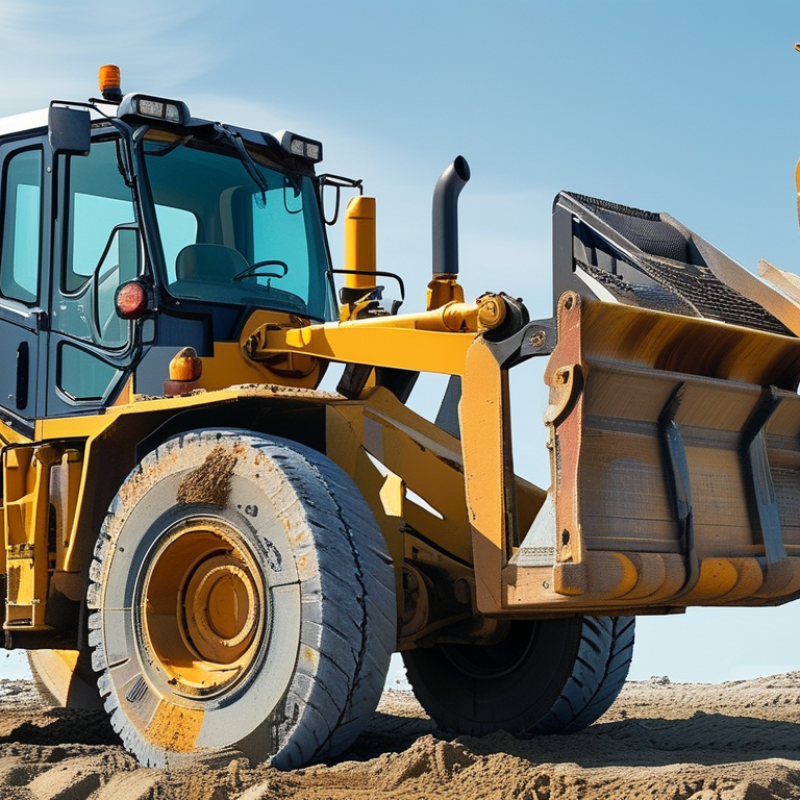
Why Choose a Wheel Loader for Your Next Project?

Benefits of Using Wheel Loaders in Construction Projects

When considering heavy machinery for construction projects, wheel loaders stand out. A study from the Construction Equipment Association revealed that wheel loaders can increase productivity by up to 30% compared to other equipment. This efficiency is crucial for meeting tight project deadlines. Their ability to efficiently move large volumes of material—such as dirt, gravel, or sand—makes them indispensable on job sites.

These machines are versatile. They can tackle various tasks, from loading trucks to clearing debris. According to data from industry reports, wheel loaders have an operational versatility rating of over 85%, which highlights their adaptability in different construction environments. However, choosing the right wheel loader involves careful consideration of factors like size and capacity, as not all models fit every project.

Despite their benefits, there are challenges. Operators may need specialized training to maximize performance. Improper usage can lead to increased wear and tear. Regular maintenance is essential to avoid downtime. It's evident that while wheel loaders offer numerous advantages, they require informed decision-making to harness their full potential effectively.

Choosing the Right Wheel Loader for Specific Job Requirements

When selecting a wheel loader for a project, understanding your specific requirements is vital. Different models excel in various environments. For instance, a compact wheel loader is better suited for tight spaces, while larger models offer higher capacity and power for substantial tasks. According to industry reports, over 60% of operators find that selecting the right size drastically increases efficiency.

Landscaping, construction, and agriculture all have distinct needs. A medium-sized loader provides a balance between maneuverability and payload capacity. In contrast, heavy-duty loaders shine in mining or large-scale construction, where lifting heavy materials is a priority. Reports indicate a 40% increase in material handling speed when using the appropriate loader size.

However, a misjudgment in size can lead to inefficiency. Operators often experience increased fuel costs. They also struggle with excess wear on inappropriate machines. Analyzing job site demands is crucial. Ensuring you choose the right wheel loader not only saves time but also lowers operational costs in the long run.

Operational Efficiency: How Wheel Loaders Save Time and Costs

Wheel loaders have proven to be crucial in enhancing operational efficiency for various projects. According to a report from the Construction Industry Institute, effective use of wheel loaders can reduce overall project time by up to 30%. This significant time savings translates directly into cost reductions, making wheel loaders an essential asset for any construction team.

These machines are designed to handle heavy loads and perform multiple tasks, from material handling to loading trucks. Studies indicate that a wheel loader can accomplish tasks in a fraction of the time it takes with traditional methods. For example, a loader can lift and move up to 15 tons of material in one load, allowing for quicker turns on project sites. Operators often report that wheel loaders allow them to complete tasks with greater speed while requiring fewer personnel. However, it’s essential to ensure that operators are properly trained. Poor operation might lead to inefficiencies and increased wear on the machinery.

In addition to time savings, wheel loaders contribute to better resource management. A study from the American Society of Civil Engineers found that inefficient machinery can increase operational costs by 20%. Older models can become a liability, as breakdowns and repair costs add up. By investing in modern wheel loaders, businesses can mitigate these risks and improve productivity sharply. While wheel loaders are effective, continuous evaluation of their performance is necessary to ensure costs remain in check.

Operational Efficiency of Wheel Loaders

This chart illustrates the operational efficiencies achieved by wheel loaders in typical project scenarios, highlighting significant time savings, cost savings, improved fuel efficiency, and lower maintenance costs. Utilizing a wheel loader can greatly enhance productivity and reduce operational expenses.

Comparative Analysis of Wheel Loaders vs. Other Heavy Equipment

When it comes to heavy equipment, wheel loaders offer unique advantages over other machines. Their design allows for exceptional visibility and maneuverability in tight spaces, making them ideal for construction and landscaping tasks. Unlike bulldozers, which are mainly used for pushing, wheel loaders handle a variety of materials with ease. They can quickly scoop, lift, and transport heavy loads. This versatility can be a game-changer for project efficiency.

However, there are situations where a wheel loader might not be the best choice. For example, if your project involves extensive earth-moving tasks, excavators could perform better. They have greater digging capabilities and can reach deeper. Additionally, wheel loaders might struggle with steep terrain, where tracked machines would typically excel. It's crucial to evaluate your project's specific needs before making a decision.

Ultimately, understanding the strengths and weaknesses of each piece of equipment is essential. Assess your project’s environment and demands. Sometimes, a combination of machines may be necessary. Being aware of these factors can lead to more efficient operations and better project outcomes.

Industry Trends: The Growing Demand for Wheel Loaders in 2023

As we delve into the industry trends of 2023, it's clear that wheel loaders are in high demand. Construction sites and material handling businesses have increased their reliance on these versatile machines. The growing need for efficiency and productivity drives this trend. Companies are looking for machines that can handle heavy loads while maintaining speed. Wheel loaders excel in both areas, making them a valuable asset.

One notable reason for their popularity is versatility. These machines can perform various tasks, from loading materials to clearing debris. They adapt well to different environments and job sites. However, not all operators are fully trained to utilize their capabilities. This gap in skills can lead to underuse of the equipment's potential. Addressing that can further enhance productivity.

Another trend is the move towards more fuel-efficient models. Environmental sustainability is increasingly becoming a priority in many sectors. Companies seek to reduce their carbon footprint while maintaining performance levels. While progress is being made, there's still room for improvement in this area. Buyers often weigh upfront costs against long-term savings. Balancing these factors is crucial for success in acquiring wheel loaders.

Contact Us
close slider
Scroll To Top