

China’s chemical packaging sector serves manufacturers across plastics, minerals, pigments, fertilizers, and specialty materials. Demand is rising for safer, cleaner, and more traceable bulk packaging. Grand View Research’s Flexible Intermediate Bulk Container Market report estimated the global market at approximately USD 6.5 billion in 2023. It also projected continued growth through 2030, supported by industrial production and logistics efficiency.
This article examines China’s top 10 suppliers of Wholesale Bags For Chemicals. The selection considers manufacturing experience, material consistency, customization ability, testing practices, and export support. It also reviews bag construction, liner options, discharge systems, antistatic performance, and moisture protection. These details matter. A woven polypropylene bag may look simple, yet its fabric strength and seam quality can affect handling safety.
Industry guidance from the International FIBC Association highlights the importance of design controls, safe working loads, and correct handling procedures. UN-certified packaging may be necessary for certain regulated substances, depending on product classification and destination rules. Buyers should verify current certificates directly with suppliers. A catalog claim is not enough. Suppliers listed in this guide may offer different strengths, and no ranking is perfectly permanent. A company can appear strong on paper, yet provide limited technical support after shipment. Therefore, readers should compare test reports, production audits, sample performance, and communication quality before making a decision. Markets shift. Product requirements change. This guide offers a practical starting point, not a substitute for professional compliance review or factory verification.
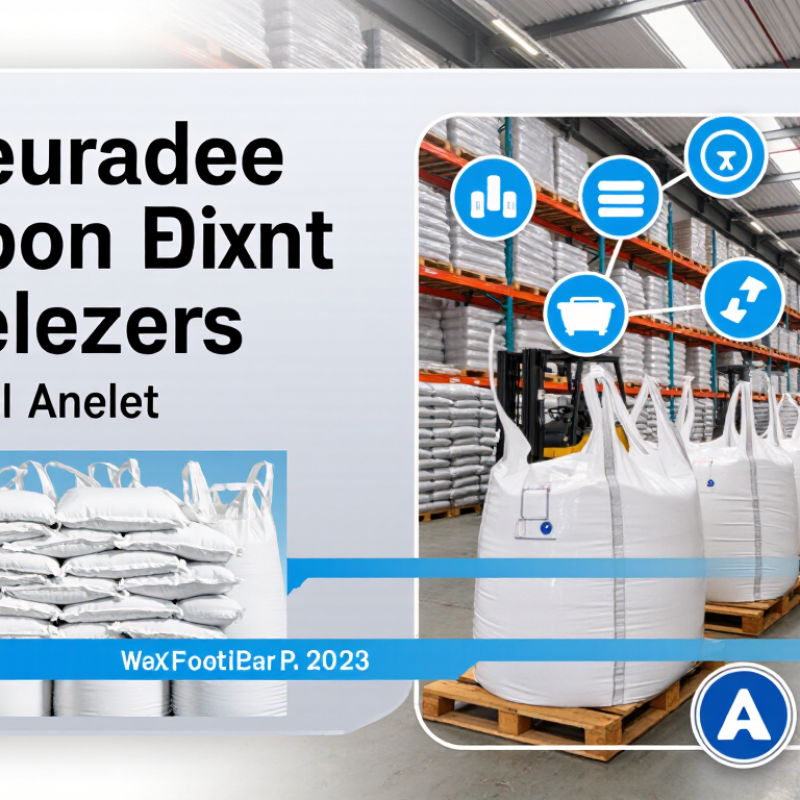
Wholesale chemical bags are industrial containers purchased in volume for powders, granules, and formulated materials. They commonly include woven polypropylene sacks, multiwall paper bags, and inner polyethylene liners. Their role extends beyond holding material. They control moisture, dust, contamination, static, and handling losses during storage and transport. Buyers should match each bag with material density, filling equipment, discharge method, and warehouse conditions.
The OECD’s Global Plastics Outlook (2022) reports that global plastics production reached 460 million tonnes in 2019, more than double the 2000 level. This growth increases pressure on packaging efficiency, material selection, and waste reduction. For chemical distribution, a wholesale bag must support safe lifting, stable stacking, and clear batch identification. ISO 21898 addresses requirements for flexible intermediate bulk containers, including construction, testing, and performance. Where regulated transport applies, the United Nations Model Regulations also guide approved packaging design and marking.
A practical specification should list capacity, safe working load, liner thickness, seam strength, moisture resistance, and electrostatic performance. Test records should cover drop testing, lifting points, leakage control, and closure integrity. A low purchase price can mislead. Weak seams may create product loss, cleanup costs, or delayed deliveries. Reusable designs can reduce packaging waste, but they require inspection and controlled return systems. The OECD report estimates that only 9% of global plastic waste was successfully recycled in 2019. That figure is sobering. Chemical bag procurement still needs better lifecycle thinking.
Wholesale chemical bags are industrial packaging products designed to contain, protect, store, and transport powders, granules, and other dry chemical materials. The chart compares typical commercial safe working load ranges by commonly used bag format. Actual specifications depend on material, construction, liner, closure, and UN packaging requirements.
Data shown in kilograms. Typical industry ranges: paper multiwall sacks and woven polypropylene sacks commonly handle 20–50 kg, polyethylene liner bags commonly handle 25–50 kg, and flexible intermediate bulk containers commonly handle 500–2,000 kg.
Chemical packaging bags must balance containment, handling, and material efficiency. Woven polypropylene offers high tensile strength for 25–1,000 kilogram loads. A polyethylene liner adds moisture and dust protection. For highly sensitive powders, multilayer films with EVOH or aluminum may improve oxygen and vapor resistance. Barrier choice matters.
The Smithers 2024 flexible packaging assessment valued the global market at more than US$200 billion in 2023. This scale reflects strong demand, but it also raises waste concerns. The OECD Global Plastics Outlook reported that only 9% of plastic waste was recycled globally in 2019. Chemical bag suppliers should therefore assess recycled content, mono-material structures, and realistic recovery routes. A thicker wall is not automatically safer. It can increase weight, transport emissions, and disposal costs. Practical warehouse tests should examine seam strength, liner fit, pallet stability, and resistance to repeated handling. Designs should also align with applicable UN packaging performance requirements when regulated substances are involved. Small details matter. Rounded corners reduce snagging, while clear batch markings support traceability. However, printed labels may fail under dust, humidity, or abrasion. I would not approve a design from laboratory data alone; loading trials and transport simulations often reveal weaknesses that specifications miss.
| No. | Supplier Capability Profile | Primary Bag Material | Common Bag Construction | Typical Capacity | Inner Liner Options | Chemical-Resistance Features | Common Documentation | Typical Chemical Applications |
|---|---|---|---|---|---|---|---|---|
| 1 | Woven polypropylene bulk-bag producer | Coated or uncoated woven polypropylene | Four-panel or circular FIBC with four lifting loops, filling spout and discharge spout | 500–2,000 kg | Loose polyethylene liner or form-fit liner | Moisture barrier, dust control and UV-stabilized fabric options | Technical specification, load test report and certificate of conformity | Powdered chemicals, mineral additives, pigments and industrial salts |
| 2 | UN-certified hazardous-material packaging supplier | Woven polypropylene with polyethylene liner | UN-marked FIBC with sift-proof seams, secure closure and reinforced lifting loops | 500–1,500 kg | Polyethylene liner, heat-sealed or stitched | Enhanced seam integrity, controlled dust leakage and tested stacking performance | UN test certificate, drop test, top-lift test and stacking test records | Hazardous powders and chemicals classified for regulated transport |
| 3 | Antistatic and conductive FIBC specialist | Static-dissipative or conductive polypropylene fabric | Type C conductive FIBC with grounding tabs, inlet spout and discharge spout | 500–2,000 kg | Conductive or antistatic polyethylene liner | Static-charge dissipation when correctly grounded during filling and discharge | Electrical resistance test, grounding verification and batch inspection report | Flammable powders, solvents-related powders and dust-sensitive chemicals |
| 4 | Multiwall paper sack manufacturer | Kraft paper with polyethylene or polypropylene barrier layer | Two- to four-ply paper sack with pasted or sewn bottom and valve or open-mouth closure | 10–50 kg | Polyethylene film or laminated inner ply | Good printability, puncture resistance and protection against moderate humidity | Paper basis-weight data, moisture-resistance test and seal-strength records | Powdered additives, construction chemicals, carbonates and dry formulations |
| 5 | Laminated woven-sack supplier | Polypropylene woven fabric laminated with polypropylene or polyethylene film | Block-bottom or pinch-bottom sack with valve, stitched closure or heat-sealed top | 20–50 kg | Integrated film laminate or separate polyethylene liner | Improved moisture resistance, abrasion resistance and low powder leakage | Dimensional inspection, tensile-strength report and leak-resistance test | Fertilizer chemicals, detergents, resins and powdered intermediates |
| 6 | Heavy-duty coated FIBC supplier | High-strength woven polypropylene with external coating | Baffle or Q-bag construction for improved shape retention and pallet efficiency | 500–1,500 kg | Form-fit polyethylene liner or aluminum-barrier liner | High tear resistance, improved moisture barrier and reduced bulging during storage | Safe working load, safety factor and cyclic-lift test documentation | High-density powders, resin pellets and bulk chemical ingredients |
| 7 | Barrier-liner packaging supplier | Woven polypropylene outer bag with multilayer barrier film | FIBC with polyethylene, EVOH or aluminum-laminated liner and sealed filling system | 500–1,000 kg | Multilayer polyethylene or aluminum-laminated liner | Improved oxygen, moisture, odor and light barrier compared with standard liners | Barrier-property data, seal-strength test and migration documentation where applicable | Moisture-sensitive powders, specialty chemicals and odor-sensitive compounds |
| 8 | Small-volume chemical sack supplier | Coated polypropylene, polyethylene or laminated paper | Open-mouth or valve sack with stitched, glued or heat-sealed closure | 5–25 kg | Integrated polyethylene film or inserted liner | Controlled dust release, abrasion resistance and easy manual handling | Material declaration, dimensional tolerance and closure-strength test | Laboratory chemicals, specialty powders and smaller industrial batches |
| 9 | Reusable FIBC and circular-economy packaging supplier | Reusable woven polypropylene fabric | Cleanable FIBC with replaceable liner, discharge flap and reinforced lifting system | 500–2,000 kg | Removable polyethylene liner or coated internal surface | Designed for controlled reuse, inspection and cleaning between cycles | Inspection procedure, reuse criteria, cleaning record and load-rating documentation | Closed-loop transport of compatible non-hazardous chemical products |
| 10 | Custom chemical-packaging integrator | Polypropylene, polyethylene, paper or hybrid multilayer structures | Custom combination of FIBC, liner, valve, sift-proof seam, baffle and discharge system | 10–2,000 kg | Selected according to moisture, oxygen, static and compatibility requirements | Application-specific design based on chemical compatibility and handling conditions | Packaging specification, compatibility assessment, test samples and quality-control records | Specialty chemicals requiring customized filling, storage or transport performance |
Choosing among China’s top wholesale chemical bag suppliers requires more than comparing prices. Start with material compatibility. Ask whether the bag uses woven polypropylene, coated fabric, or a suitable liner for your chemical product. Request technical data, migration information, and test results for seam strength, moisture resistance, and load capacity. A reliable supplier should explain these details clearly, not hide behind general claims.
Visit the factory when possible, or arrange a documented remote audit. Check raw material storage, stitching equipment, cleanliness, and batch labeling. Ask for production samples from different batches. Inspect the seams yourself. Small defects can become serious during filling, stacking, or transport. Confirm whether the supplier follows recognized quality systems and can provide legal shipping and product documentation for your destination market. Experience matters, but records matter more. I would not trust a polished catalog alone.
Tips: Compare samples under real working conditions. Test filled bags on pallets for several days. Check liner fit, handling loops, print accuracy, and dust control. Ask how complaints are investigated and corrected. Communication speed is useful, but honest answers are better. Some suppliers may pass basic tests yet lack stable quality between batches, so repeat inspections are worth the extra cost. A written specification should cover dimensions, fabric weight, tolerances, closure design, packing method, and inspection rules. Be specific. Loose wording creates expensive misunderstandings.
Choosing among China’s top 10 wholesale chemical bag suppliers requires more than comparing prices. Chemical packaging must match the material, filling process, storage time, and transport conditions. Common options include woven polypropylene sacks, multiwall kraft bags, and flexible intermediate bulk containers. Each choice behaves differently under pressure, humidity, and repeated handling.
Reliable suppliers should provide material specifications, batch traceability, factory inspection records, and practical test results. Check seam strength, liner thickness, dust control, and stacking performance. Ask whether production samples can be tested with your actual powder or granules. A clean warehouse matters too. Moisture stains and loose fibers can reveal weak quality control. Certification helps, but it does not replace independent inspection. That lesson is easy to overlook.
Tips:
Request a small trial order before signing a large contract. Confirm dimensions, filling weight, closure style, printing accuracy, and delivery terms in writing. Review how rejected bags are handled. A supplier may promise fast production, yet limited capacity can create delays during peak seasons. Also, avoid choosing only by unit price. A cheaper bag can split during loading and increase total costs. Requirements may change after testing, and good suppliers should respond with clear technical adjustments rather than vague assurances.
When comparing China’s top ten wholesale chemical bag suppliers, buyers should examine process, not polished catalogs. Request factory addresses, production capacity, export history, and recent audit evidence. A video call can reveal storage conditions, sewing lines, and labeling practices. Ask for a written specification covering fabric, liner, dimensions, load rating, and closure type. Small details matter. A sample should survive filling, stacking, transport, and unloading. Keep signed samples for later comparison.
Quality control should be measurable. Confirm incoming-material checks, in-process inspections, batch records, and final release procedures. For each lot, record the supplier code, production date, test results, and carton count. Useful tests may include seam strength, drop performance, moisture resistance, and liner integrity. Choose tests according to the chemical and package design. Do not accept a certificate without scope, date, and traceable test methods. Independent inspection can reduce surprises, although it cannot replace clear specifications. This is where purchasing teams often become too optimistic.
Compliance begins before the purchase order. Check destination-country packaging rules, transport requirements, labeling language, and documentation duties. Ask whether materials suit contact conditions, temperature ranges, and storage duration. Review declarations, safety information, and change-control procedures. A supplier should notify you before changing fabric, adhesive, liner, or manufacturing site. Agree on nonconformance handling, replacement terms, and recall cooperation in writing. Price matters. An undocumented bargain can become expensive waste. Recheck everything.

