

Shopping cart

close
Tel : 94870 36000, 94860 36000, 94890 36000

Best Tapping Screws for Your Global Sourcing Needs?

When sourcing materials globally, Tapping Screws are essential. These specialized fasteners are designed to create their own threads in various materials. Knowing where to find quality tapping screws can significantly impact your project’s success.

Quality is key when selecting tapping screws. Not all suppliers provide the same level of reliability. It's crucial to consider factors like material, coating, and the exact type of screw needed for your application. This decision can influence durability and performance.

As you evaluate your options, keep in mind that mistakes can happen. A poor choice can lead to delays and increased costs. Therefore, understanding tapping screws and their specifications is vital. Investing time in research will pay off in the long run. Trustworthy suppliers can make a substantial difference, ensuring you meet your sourcing needs effectively.
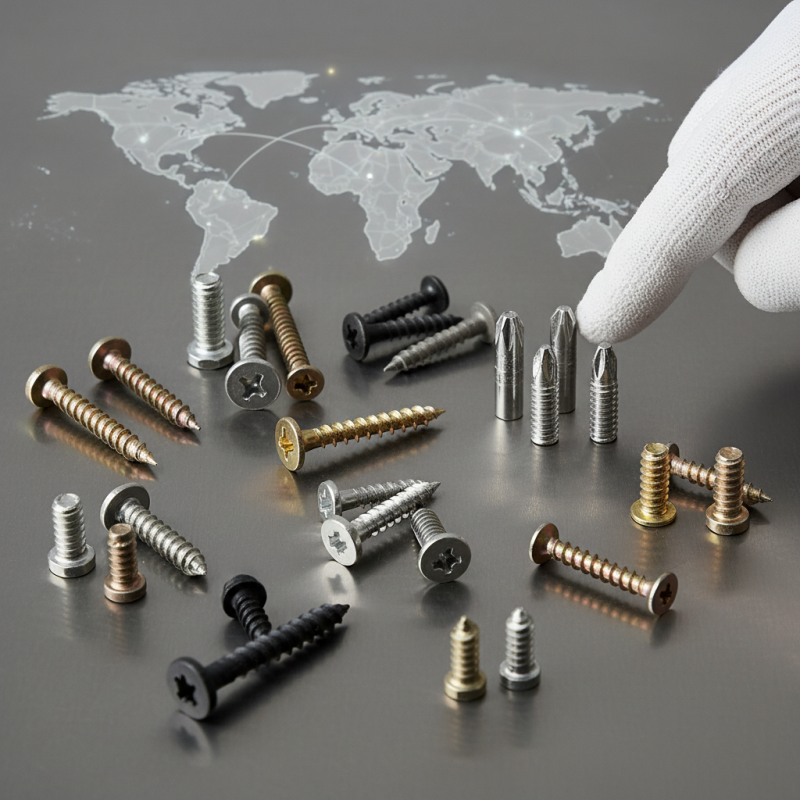
Best Tapping Screws for Your Global Sourcing Needs?

Understanding Tapping Screws: Types and Applications

Tapping screws are essential fasteners in many applications. They carve their own threads into materials, providing a secure grip. This feature makes them suitable for various substrates, including metal, wood, and plastic. The ability to tap their own threads simplifies installation and saves time in manufacturing processes.

There are diverse types of tapping screws available. Some are designed for specific materials, while others are multipurpose. For instance, self-tapping screws offer ease of use in sheet metal. In contrast, thread-cutting screws create precise threads in harder materials. Knowing the right type for your application is crucial. Mishaps can occur if the wrong screw is selected. Consider factors like length and coating for corrosion resistance.

Choosing the correct tapping screw involves understanding their applications. While some users may overlook finer details, this can be a costly mistake. Always analyze the working environment and load requirements. Understanding the nuances can greatly enhance the outcome of your projects. Experimentation and careful selection lead to better results. This can sometimes require trial and error.

Best Tapping Screws Types and Their Applications

Key Factors in Selecting the Best Tapping Screws for Sourcing

When sourcing tapping screws, understanding the key factors is essential. Material selection is crucial. Screws made from high-quality steel often perform best. Look for corrosion resistance if the application involves moisture. The thread design affects how well the screw penetrates different materials. Unified and fine threads serve different purposes; choose wisely.

Another important aspect is the screw size. Too small might not hold firm; too large can cause damage. Checking the dimensional specifications ensures compatibility with your project. Consider the torque specifications as well. Different applications require varying torque levels for optimum performance.

Quality assurance is vital in sourcing. Verify that the screws meet industry standards. Inspect for any defects before use. This attention to detail prevents issues during installation. Sometimes, manufacturers may not meet expectations. Reflecting on past experiences can guide better decisions in the future. Quality screws enhance overall project integrity.

Material Considerations for Durable Tapping Screws

When considering tapping screws, material selection is crucial. The durability of these fasteners heavily relies on their composition. Many industries report that stainless steel tapping screws are preferred for their corrosion resistance and strength. According to a recent study, 60% of professionals favor stainless steel for outdoor applications. This preference stems from the metal's ability to withstand harsh environments.


Carbon steel is another popular option. It is often cheaper and provides good tensile strength. However, it is less resistant to rust and corrosion. A survey indicated that 45% of users experienced issues with rust when using carbon steel in humid conditions. This leads to a common reflection: while cost-effective, carbon steel may not be ideal for every application.


Ultimately, the choice of material should align with specific needs and environmental factors. Experts emphasize that understanding the limitations and strengths of each type can prevent future problems. A well-informed selection process leads to better performance and reliability in tapping screws.

Global Sourcing Strategies for Tapping Screws

Global sourcing for tapping screws demands strategic consideration. According to the Global Fastener Market report, the industry is projected to grow at a CAGR of 5.4% through 2026. This growth demonstrates the increasing demand for high-quality tapping screws worldwide. Sourcing from diverse geographical areas can provide cost benefits while ensuring product quality.

Quality assurance is critical when sourcing tapping screws. Businesses should prioritize suppliers who demonstrate compliance with international standards. The Fastener Quality Act underlines the importance of quality in fastener production. Ignoring quality can lead to significant operational inefficiencies. A study by the Industrial Fasteners Institute revealed that poor quality fasteners contribute to up to 30% of assembly rework costs.

Developing relationships with suppliers supports sustainable sourcing practices. Strong partnerships can ensure consistent supply and enhance negotiation leverage. However, challenges exist, such as fluctuating material costs and geopolitical risks. Continuously monitoring these factors is essential. Companies must adapt their sourcing strategies accordingly to mitigate potential disruptions.

Supplier Evaluation: Ensuring Quality in Tapping Screws Procurement

When sourcing tapping screws, evaluating suppliers is crucial. A reliable supplier must demonstrate consistent quality control. Understanding their production processes is key. Look for evidence of rigorous testing and certifications that affirm their quality standards. Supplier visits can provide additional insights.

It's important to assess their communication capabilities. A supplier that is responsive and transparent fosters trust. This openness can reveal potential supply chain issues or delays. Additionally, build a rapport to discuss any concerns regarding the screws' specifications or material. This dialogue can be invaluable.

Unexpected challenges can arise during procurement. Some suppliers may struggle with meeting deadlines or quality requirements. Reflecting on past experiences can guide future decisions. Establishing a strong evaluation framework helps mitigate risks associated with tapping screws sourcing. Aim for long-term partnerships that sustain mutual growth.

Article Source:

Contact Us
close slider
Scroll To Top