2026 Best Condensate Water Pump for Global Buyers?
In the world of HVAC systems, the Condensate Water Pump plays a critical role. These pumps are essential for removing excess water produced by air conditioning and refrigeration systems. As global demand for efficient cooling solutions grows, selecting the best condensate water pump becomes increasingly vital for consumers and businesses alike.
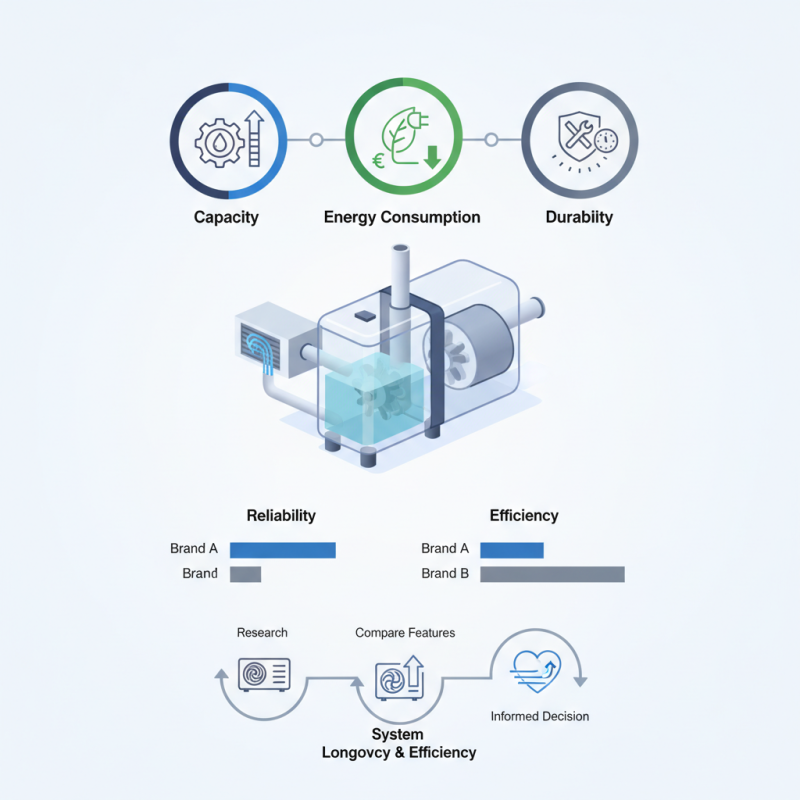
In 2026, buyers will face countless options, each boasting unique features and benefits. Understanding the specific needs of your application can help narrow down choices. Factors such as capacity, energy consumption, and durability are paramount. Many buyers may overlook these aspects, leading to suboptimal performance or even system failures.
When selecting a condensate water pump, prioritize reliability and efficiency. There are many brands available, but not all are created equal. Researching and comparing features will lead to more informed decisions. Ultimately, a well-chosen pump can enhance the longevity and efficiency of cooling systems. Investing time in this process is essential for achieving desired outcomes.
Overview of Condensate Water Pumps and Their Importance
Condensate water pumps play a crucial role in various industries, ensuring efficient water removal from HVAC systems, industrial processes, and more. These pumps manage condensation effectively, preventing water buildup that can damage equipment and create safety hazards. According to industry reports, improper condensate management can lead to increased operational costs and maintenance issues, emphasizing the importance of reliable pump systems.
Working with condensate water pumps requires understanding their specifications and performance metrics. A quality pump can handle specific flow rates and head heights, which are vital for long-term efficiency. Industry standards suggest that selecting a pump with a suitable capacity can reduce energy consumption by up to 20%. Regular maintenance is essential to ensure optimal performance and minimize failures.
Tips: Choose a pump that aligns with your system’s needs. Evaluate the flow rate and head requirements carefully. Regular check-ups can identify early signs of wear before costly repairs are needed.
Key Features to Look for in a High-Quality Condensate Water Pump
When selecting a high-quality condensate water pump, several key features are essential. First, consider the pump's capacity and flow rate. According to a recent industry report, optimal flow rates typically range from 30 to 80 gallons per hour. This ensures adequate performance in varied settings, from residential to commercial use. Pumps with higher capacities tend to handle larger volumes effectively, reducing downtime during operation.
Next, look into the materials used in the pump’s construction. Durable materials like stainless steel and high-grade plastics enhance longevity and performance. A study from the National Association of Home Builders indicates pumps made from robust materials have a lifespan of over 10 years with proper maintenance. This reliability is critical, especially in high-demand environments.
Another important aspect is noise level. Many condensate pumps operate quietly, with noise ratings below 40 decibels. However, budget-friendly models often sacrifice sound insulation, leading to unsatisfactory user experiences. As reported by the Pumps and Systems Journal, noise output should be a factor in decision-making. This reflects a balance between cost and functionality that buyers must navigate carefully.
2026 Best Condensate Water Pump for Global Buyers
| Model | Max Head (ft) | Flow Rate (GPH) | Power Consumption (W) | Weight (lbs) | Noise Level (dB) |
| Model A | 20 | 30 | 150 | 5 | 50 |
| Model B | 25 | 40 | 160 | 6 | 55 |
| Model C | 18 | 25 | 140 | 4.5 | 45 |
| Model D | 30 | 50 | 200 | 7 | 60 |
Top 2026 Models: Reviews and Comparisons for Global Buyers
When choosing the best condensate water pumps in 2026, various models stand out in the market. Reliable industry reports indicate that efficiency and durability are crucial factors. According to a recent survey, over 75% of buyers prioritize energy efficiency. Energy-efficient models can save 20-30% on electricity costs, which is significant for long-term use.
In reviews, many pumps receive high marks for performance under demanding conditions. For example, models designed for commercial use often boast a maximum head of over 30 feet. Additionally, noise levels matter. Quiet operation is essential for residential settings, with noise ratings below 40 decibels being highly preferred. Yet, some users report dissatisfaction with the longevity of specific models, raising questions about construction quality.
Comparisons highlight that while many pumps perform well, a few issues persist. Users often comment on the complexity of installation. This can lead to frustration, especially for novice buyers. Furthermore, maintenance requirements can vary widely. Some buyers are unaware that regular maintenance is vital for optimal performance. Failing to properly maintain a water pump can lead to decreased efficiency and premature failure, which is a common oversight among users.
Factors Influencing the Selection of Condensate Water Pumps
When selecting the best condensate water pump, several factors come into play. Efficiency is crucial, as a pump's energy consumption affects operational costs. Research shows that efficient pumps can save up to 30% on electricity compared to less efficient models. This can result in significant savings over time, especially for large-scale operations.
Pump noise level is another key consideration. Many users prefer quieter models to maintain a pleasant working environment. According to industry studies, pumps producing over 70 decibels can be disruptive. Therefore, noise ratings should be on the checklist for potential buyers.
Maintenance needs cannot be overlooked. Some pumps require regular servicing, which can add to long-term expenses. A study by the International Pump Industry Association indicated that poorly maintained pumps can lose up to 25% of their efficiency. Buyers often underestimate how maintenance implications shape operational reliability. Thus, understanding the total cost of ownership is essential, even if it complicates initial comparisons.
Maintenance Tips for Ensuring Longevity of Condensate Water Pumps
Maintaining condensate water pumps is crucial for their performance and durability. Regular cleaning is often overlooked. Dust and debris can accumulate and obstruct the system. This buildup can lead to overheating and eventual failure. Inspect the pump and its components frequently. This simple act can extend the life of your equipment significantly.
Check the pump's float switch regularly. It plays a vital role in controlling the pump's operation. If the float switch gets stuck, it jeopardizes the entire system. It might seem trivial, but it can shut down your operations. Lubricate moving parts periodically to reduce wear and tear. Be sure to use the correct lubricant, as this can make a difference.
Listen for unusual sounds while the pump operates. Any strange noises may signal a deeper problem. Don't ignore them; troubleshooting early can save costs later. Additionally, monitor the discharge line for blockages. A clogged line can create back pressure, stressing the pump. These issues need attention to maintain a smooth workflow. Remember that proactive maintenance often saves more than reactive repairs down the line.