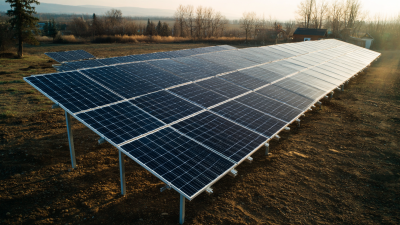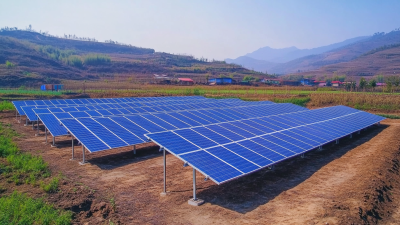


As the world steadily shifts towards renewable energy, the Solar Power System market is poised for transformative innovations that address both efficiency and sustainability. According to the International Energy Agency (IEA), solar power accounted for more than 10% of the global electricity supply in 2021, and this figure is projected to double by 2025. This remarkable growth not only highlights the increasing adoption of solar technology but also underscores the urgency for advancements in system design and performance.
In 2025, key innovations will revolutionize solar power systems, making them more accessible and efficient than ever before. For instance, the National Renewable Energy Laboratory (NREL) has reported significant improvements in photovoltaic (PV) efficiency, with new materials and designs pushing the boundaries of solar energy conversion rates. Moreover, advancements in energy storage solutions are set to enhance the reliability of solar power systems, enabling users to harness energy even during periods of low sunlight.
As we explore the top five solar power system innovations you need to know, it is essential to understand how these advancements will not only impact individual users but also contribute to broader environmental goals, further driving down the cost of solar energy and mitigating climate change. Staying informed about these developments can help consumers and businesses make smarter choices in their energy consumption and sustainability efforts.
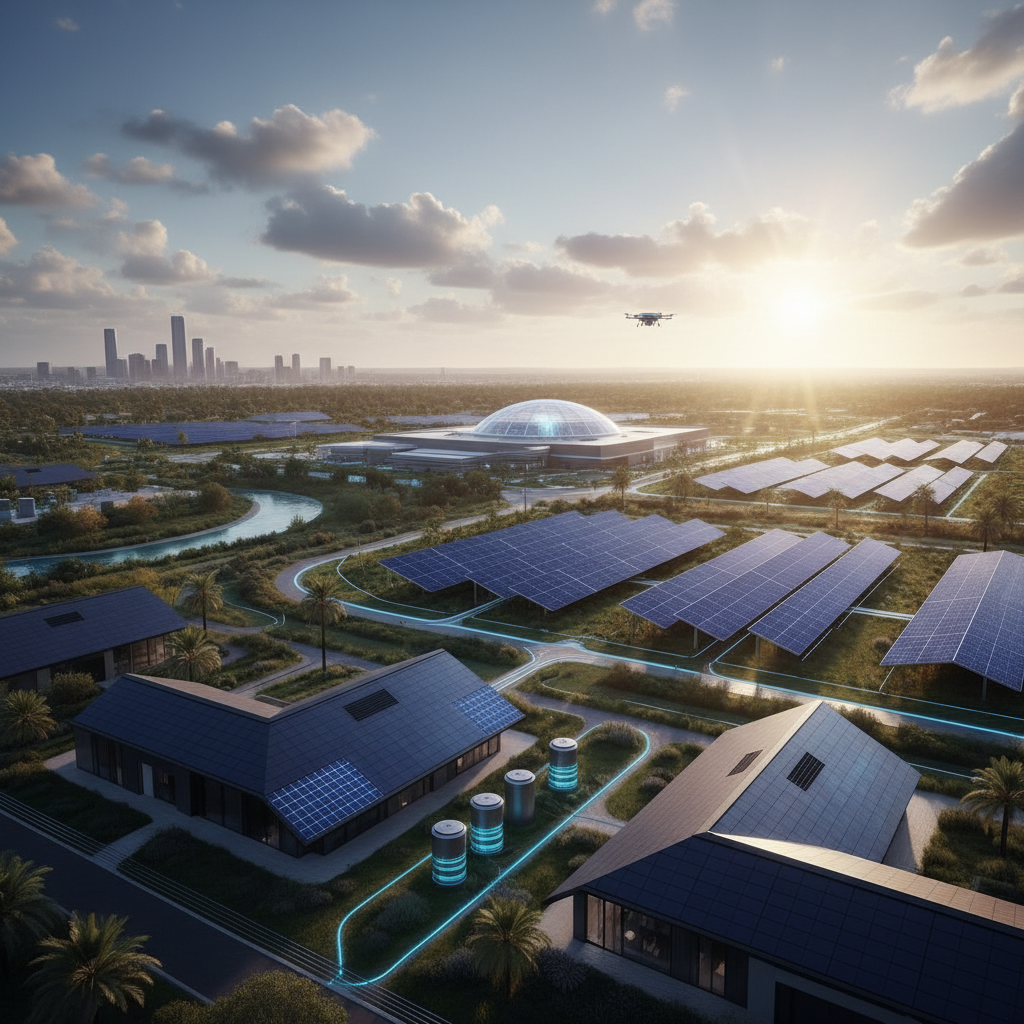
As the solar power industry advances, innovative photovoltaic materials emerge as game-changers in enhancing efficiency. In 2025, cutting-edge materials such as perovskite solar cells are poised to revolutionize the landscape of solar energy. These materials not only offer a higher efficiency rate than traditional silicon cells but also promise significant reductions in production costs. With their ability to absorb more sunlight and convert it into energy, perovskite cells can substantially improve the performance of solar panels, making renewable energy more accessible.
Another promising innovation is the development of bifacial solar panels, which utilize both sides of the panel to capture sunlight. By incorporating advanced materials, these panels can achieve greater energy yields, especially in environments with reflective surfaces, such as snowy or sandy terrains. This dual-facing capability enables solar installations to optimize their energy harvest, marking a significant leap forward in solar technology. As these innovative photovoltaic materials gain traction, they are set to play a pivotal role in shaping a more sustainable and efficient energy future.
Bifacial solar panels are revolutionizing the solar power industry, offering significant advantages over traditional monofacial panels. By harnessing sunlight from both sides, these innovative panels can increase energy production by up to 30%, according to a report by the National Renewable Energy Laboratory (NREL). This dual-sided functionality is especially beneficial in locations with reflective surfaces such as snow or sand, where the ground can contribute additional light to the panels.
One of the most compelling aspects of bifacial technology is its efficiency in energy harvesting. A recent analysis by Wood Mackenzie forecasts that the adoption of bifacial solar panels will rise to 20% of all global solar installations by 2025. This growth is driven by the long-term cost savings and improved performance metrics that bifacial panels provide, ultimately leading to lower Levelized Cost of Energy (LCOE) for solar projects.
Tips for optimizing the use of bifacial solar panels include selecting the right installation site with a high albedo factor to maximize reflected light and ensuring proper tilt angles to capture the most sunlight throughout the day. Additionally, integrating tracking systems can further enhance their performance by allowing panels to follow the sun's movement, thus increasing energy yield even more.
As we approach 2025, advancements in energy storage solutions are set to significantly enhance solar power system performance, ensuring a more sustainable and reliable energy source. According to the International Energy Agency (IEA), global investments in energy storage technology are expected to exceed $620 billion by 2025, driven by the growing necessity for efficient energy management and the integration of renewable energy sources. Enhanced battery technologies, specifically lithium-ion and solid-state batteries, are leading the charge, with efficiencies surpassing 90% and life cycles extending beyond 15 years.
Moreover, innovative energy management systems are evolving to optimize the integration of solar energy and storage. Data from Wood Mackenzie projects that the U.S. residential solar-plus-storage market will triple in size by 2025, driven by declining battery costs and increased demand for energy resilience. These systems enable homeowners to store excess solar energy generated during the day for use during peak hours or power outages, ultimately leading to greater energy independence and reduced reliance on the grid. Such innovations not only enhance solar performance but also contribute to the larger goal of achieving net-zero emissions in the coming decades.
The emergence of smart solar inverters is set to transform energy management within residential solar power systems significantly. These advanced devices not only convert direct current (DC) from solar panels into alternating current (AC) for home use but also incorporate intelligent software that facilitates real-time monitoring and optimization of energy consumption. According to a recent report by Grand View Research, the global smart inverter market is expected to reach USD 8.81 billion by 2026, growing at a CAGR of 12.5% from 2019 to 2026. This growth underscores the rising importance and adoption of these technologies in residential settings.
Smart solar inverters enhance energy efficiency and promote sustainability by enabling homeowners to manage their energy production and consumption patterns effectively. They are equipped with features such as grid-support capabilities, which help stabilize the energy grid during fluctuations in power supply and demand. A report by the U.S. Department of Energy indicates that integrating smart inverters into residential systems can lead to a potential reduction in energy costs by up to 30%. By harnessing the power of these innovations, homeowners can not only lower their electricity bills but also contribute to a more resilient and sustainable energy future.
| Innovation | Description | Benefits | Impact on Energy Management |
|---|---|---|---|
| Smart Solar Inverters | Advanced inverters with real-time monitoring and smart grid capability. | Enhanced efficiency, remote monitoring, improved reliability. | Allows for dynamic load management and integrates with home automation systems. |
| Energy Storage Systems | Innovative battery technologies for storing excess solar energy. | Utilization of stored energy during peak hours, cost savings on energy bills. | Increases energy independence and reliability during outages. |
| Bifacial Solar Panels | Panels that capture sunlight from both sides to maximize energy production. | Higher energy yield and efficiency, space-saving design. | Optimizes energy generation in varied environments. |
| Building-Integrated Photovoltaics (BIPV) | Solar panels integrated into the construction of buildings. | Aesthetic appeal, energy production integrated into architecture. | Reduces reliance on traditional roofing materials while generating energy. |
| Solar Trackers | Devices that move solar panels to follow the sun’s path for increased exposure. | Improves efficiency and increases energy output substantially. | Enhances the performance of solar systems, allowing for optimized energy production. |
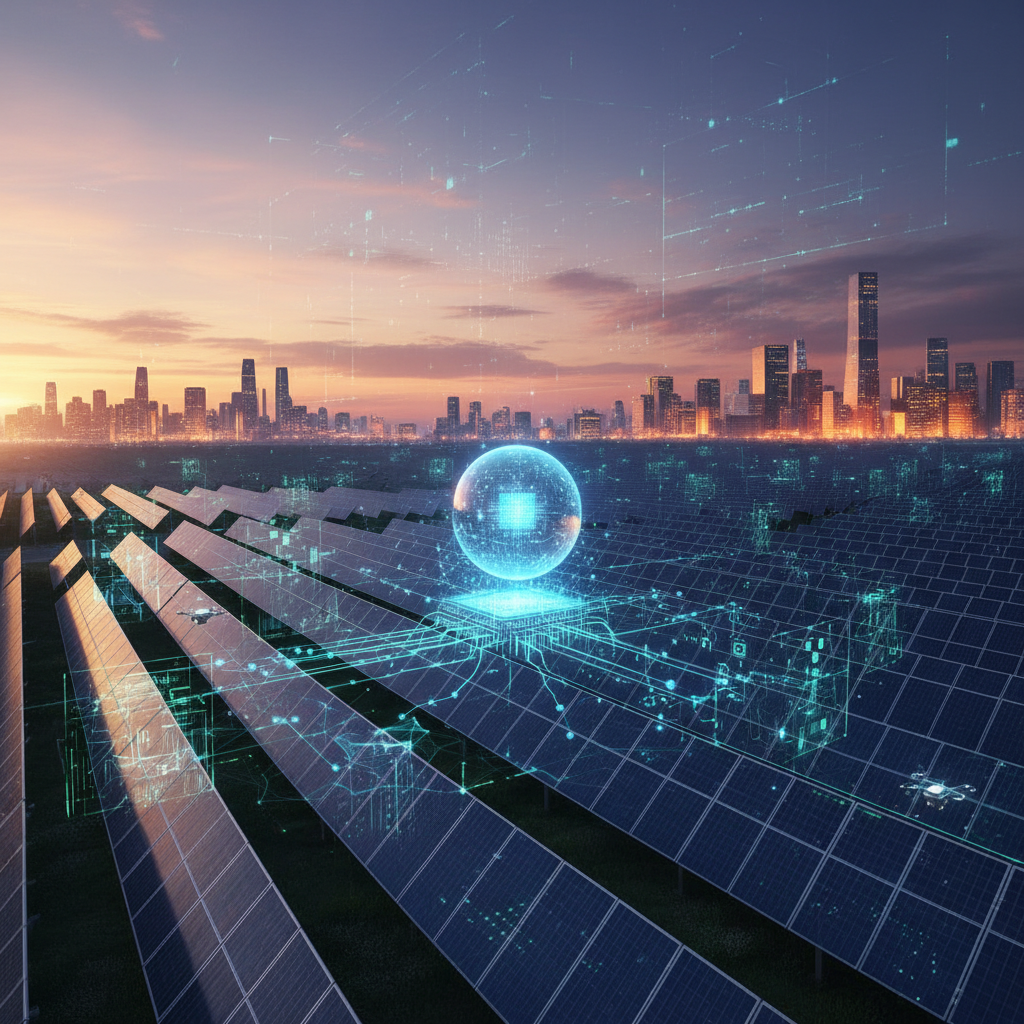
The integration of artificial intelligence (AI) and machine learning into solar power systems is revolutionizing how we harness and optimize renewable energy. These technologies are instrumental in monitoring and analyzing vast amounts of data generated by solar panels, helping to predict energy output and identify potential maintenance issues before they become significant problems. By utilizing real-time data analytics, AI can enhance the efficiency of solar power systems, ensuring that energy production aligns seamlessly with demand.
Furthermore, machine learning algorithms facilitate the optimization of energy storage solutions, enabling solar power systems to store excess energy generated during peak sunlight hours and release it when demand is high. This not only maximizes energy efficiency but also contributes to the stability of the grid. As solar technology continues to advance, the role of AI and machine learning will become increasingly critical in driving forward innovation, making solar energy more accessible and reliable than ever before.